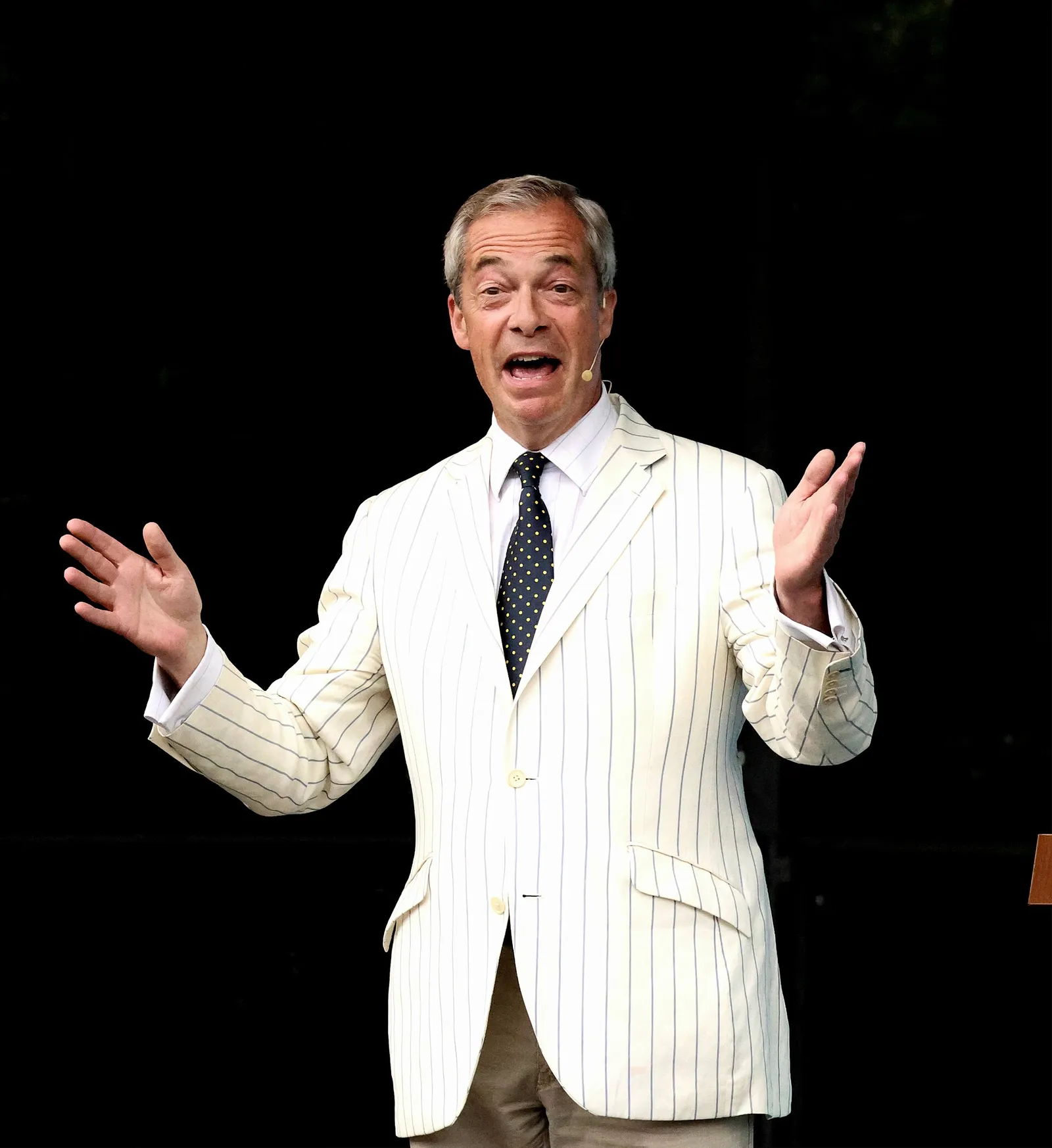
Nigel Farage, the leader of Reform UK, is facing scrutiny over his financial affairs after a newspaper investigation reported that he had not declared extensive support from a businessman with a fraud conviction. Farage and his party deny breaking any rules.
What the investigation alleges
An investigation by the Sunday Times reported that George Cottrell, a businessman active in cryptocurrency, had for years funded aspects of Farage's operation, including security, staff and accommodation, as summarized by Al Jazeera. Among the reported arrangements was the use of a townhouse in central London, for which Cottrell was said to pay the rent, and payment for staff who worked on Farage's social media in the period before he was elected to Parliament in 2024.
The reports raise the question of whether some of that support should have been recorded in the register of MPs' interests. Opposition politicians have asked the Parliamentary Commissioner for Standards to examine the matter.
Who is George Cottrell
Cottrell first became associated with Farage's political circle during the Brexit campaign years, when he worked as a fundraiser. In 2016 he was arrested in the United States, and he was later convicted in connection with wire fraud, serving a period in a US federal prison before his release. He has since worked in the offshore cryptocurrency sector.
The rules in question
Under the House of Commons rules, MPs are required to register gifts and benefits above set thresholds, and, on entering Parliament, to declare relevant benefits received in the year before their election. Where donations or benefits are involved, MPs are also expected to confirm they come from a permissible source. Standards specialists note there is genuine debate about how the rules apply to support that began before someone became an MP but continued afterward, which is central to this case.
Farage and Reform UK respond
Reform UK has rejected the reporting. A spokesman for the party described the allegations as "baseless and contrived" and said "no parliamentary rules have been broken." Farage has argued that because the support came before he became an MP, he was under no obligation to declare it, and he has spoken of Cottrell in warm personal terms. The party has said Farage's office is in contact with the standards commissioner over the issue.
What happens next
It falls to the Parliamentary Commissioner for Standards to decide whether to open a formal investigation and, if one proceeds, whether any rules were broken. Serious findings against an MP can, in some circumstances, lead to sanctions by the Commons. For now, the dispute turns on a contested question of interpretation, what the rules required Farage to declare, and when, with his opponents pressing for an inquiry and Farage insisting he has done nothing wrong.