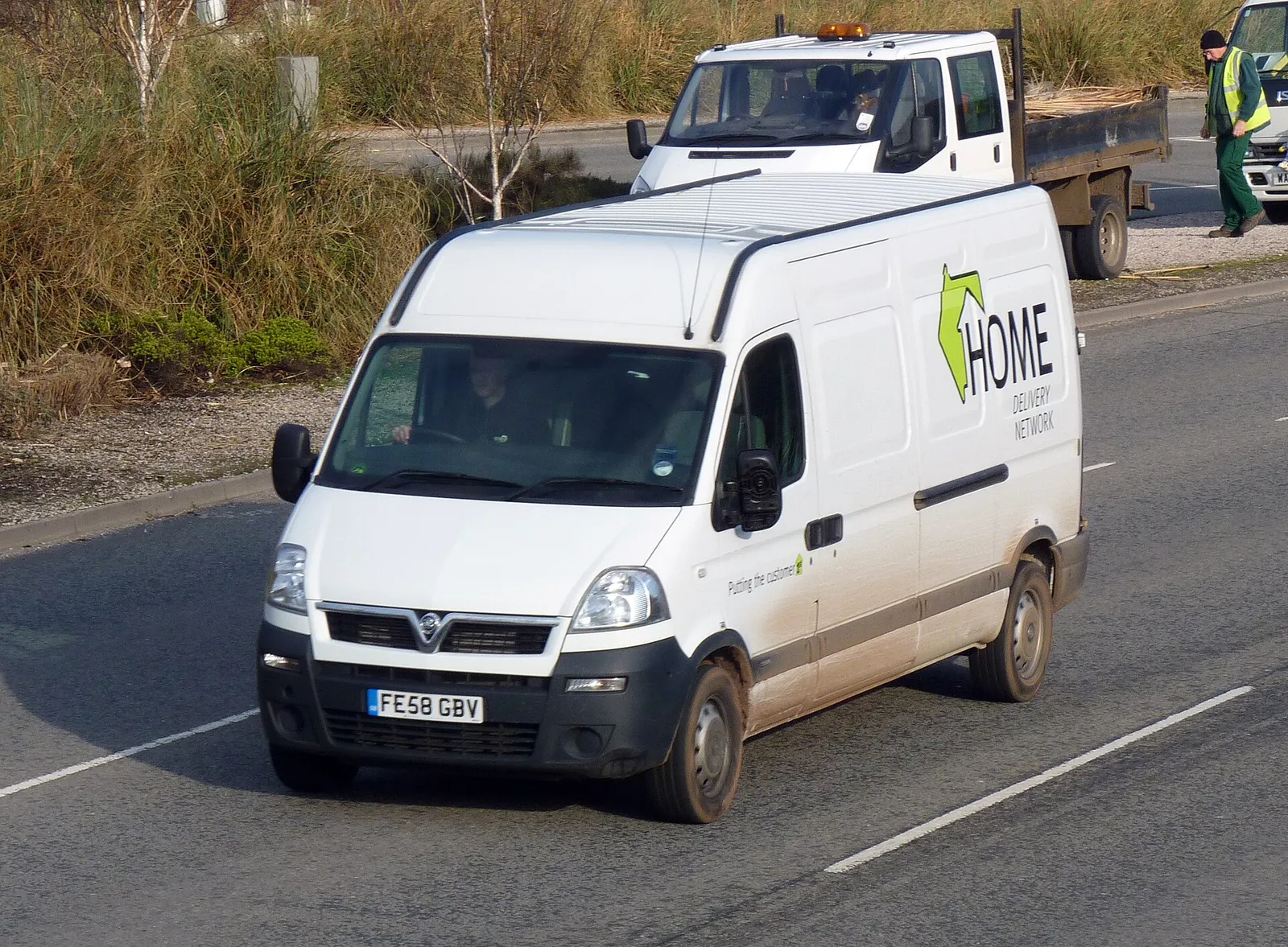
Evri, one of Britain's largest parcel-delivery companies, has launched a libel action against the BBC over a Panorama documentary about its business, seeking around £1.2 million in damages. The move sets a major delivery firm against the country's public broadcaster in a legal fight over an investigation into the company's service and working practices.
The claim
Evri argues that the Panorama program made false and damaging claims about how it operates and treats its couriers, and that the broadcast cost it business, as The Guardian reported. The bulk of the roughly £1.2 million it is seeking is said to represent lost profits from contracts the company says it failed to win after the documentary aired, with a smaller sum for related costs. Evri is also seeking damages for reputational harm and an order restraining the BBC from repeating the disputed claims.
The company rejects the documentary's characterization of its practices, saying its couriers are paid above the minimum wage and that it runs a reliable, cost-effective service.
The documentary
The Panorama investigation examined conditions at the delivery firm, featuring customers whose parcels had gone missing, been delayed or arrived damaged, and couriers describing the pressures of the work. Panorama is the BBC's long-running current-affairs strand, and investigations of large consumer-facing companies are a staple of its output.
Evri, formerly known as Hermes, handles a very large volume of parcels across the UK each year through a network of couriers and drop-off points. Like other delivery firms, it has faced recurring public complaints about missing and late deliveries, a backdrop against which the documentary was made.
The BBC's position, and what happens next
The BBC has not yet filed a defense and, in line with usual practice, said it does not comment on continuing legal proceedings. Media-law specialists note that in a libel case the broadcaster would typically look to defend its reporting as true, as honest opinion, or as being in the public interest, defenses that are central to journalism about powerful companies.
For now, the case is at an early stage and none of Evri's allegations have been tested or upheld by a court. Its outcome could turn on whether Evri can show it suffered quantifiable losses because of the broadcast, and whether the BBC can stand up the documentary's claims. Beyond the two parties, cases like this are watched closely as a gauge of the pressures on investigative journalism, where the threat of costly litigation can weigh on what broadcasters and newspapers choose to publish.