

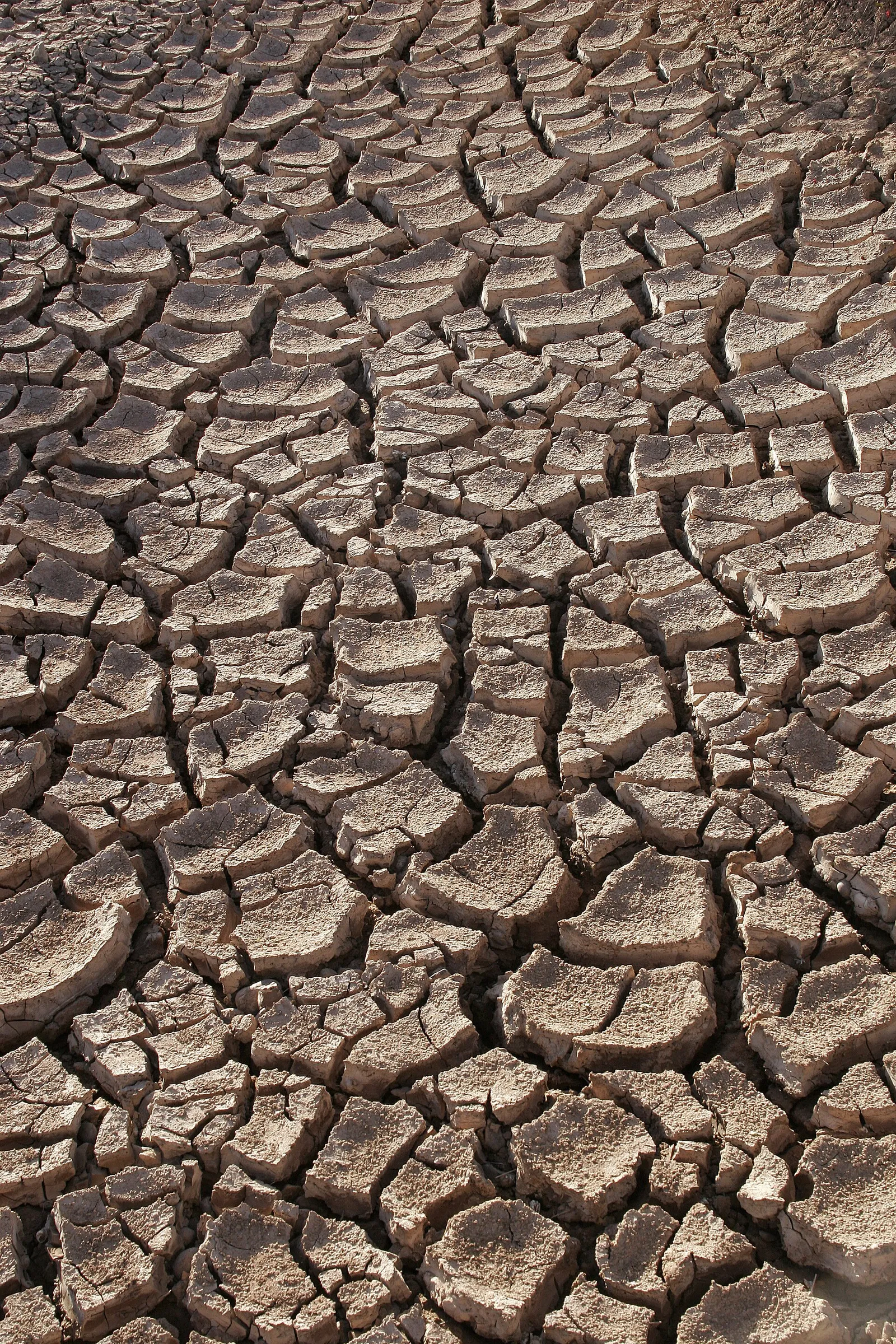
A punishing heatwave has settled over much of Europe and North America in late June and early July, breaking temperature records and straining health systems. The immediate weather is dangerous, but the longer story behind it is a climate that has measurably changed: Europe is now the fastest-warming continent on Earth.
The current heat
Europe has endured repeated heatwaves since late spring, with a severe episode building around the summer solstice. France recorded its hottest single day on record on June 24, and Germany logged new highs near its border with Poland, with the town of Coschen reaching about 41.7 degrees Celsius, according to compiled reports of the 2026 heat. Health agencies have linked the heat to more than 1,300 excess deaths across Europe since June 21, with around 1,000 of those in France, mostly among older people.
Across the Atlantic, more than 200 million Americans faced extreme heat around the Fourth of July, with high humidity pushing heat-index values well above 100 degrees Fahrenheit across the eastern United States, Euronews reported. Simultaneous heat on two continents is exactly the kind of event scientists say is becoming more common.
Warming twice as fast
The pattern is not random. Since the 1980s, Europe has warmed at roughly twice the global average rate, making it the fastest-warming continent, the Copernicus Climate Change Service reports. Part of the reason is geography: a large share of European territory lies in the Arctic, the fastest-warming region on the planet, where the loss of reflective snow and ice amplifies heating. Shifts in atmospheric circulation are also increasingly favoring stubborn summer heat.
2024 was Europe's warmest year on record, with an average temperature of 10.69 degrees Celsius, Copernicus found. That was 1.47 degrees above the 1991-2020 average and 0.28 degrees above the previous record, set in 2020. Both spring and summer 2024 were the warmest such seasons on record for the continent, running about 1.5 degrees above the recent seasonal norm.
A shifted baseline
The significance is not any single hot day but the shift in the baseline. As average temperatures climb, the extremes climb with them, so heat that once counted as exceptional now arrives more often and lasts longer. Copernicus and other monitoring bodies note that heatwaves across Europe, from the Mediterranean to the Arctic, are growing more frequent and more intense, while glaciers retreat and snow cover shrinks.
For governments, that reframes heat from an occasional emergency into a recurring feature of the calendar, one that demands adaptation, from redesigned cities and health warnings to changes in how people work through the hottest hours, alongside efforts to curb the emissions driving the warming. The data, the science agencies say, points in one direction: Europe's summers have changed, and the current heat is a sign of the new normal rather than a departure from it.