An Ebola outbreak in the Democratic Republic of Congo has grown into one of the most serious in years, and the people working to stop it are paying a heavy price — both from the virus itself and from the fear and anger it stirs in affected communities.
A rare strain with no vaccine
DRC's health ministry declared the outbreak on May 15, 2026, in the northeastern province of Ituri. The pathogen is the Bundibugyo strain of Ebola — a rarer species than the well-known Zaire virus — for which there is no approved vaccine or treatment, the World Health Organization says, a fact that sharply limits the tools available to responders.
The numbers have climbed quickly. As of late June, the DRC health ministry reported 1,155 confirmed cases and 304 deaths, according to figures relayed by the US Centers for Disease Control and Prevention, with Ituri by far the hardest-hit province and smaller numbers of cases in North and South Kivu. The virus has also crossed borders in travelers: Uganda has recorded cases, France confirmed an infection in a returning physician, and a US citizen was earlier evacuated to Germany for treatment. Africa CDC has warned the outbreak could become severe if not contained, and the Red Cross has cautioned it may not yet have peaked.
The people holding the line
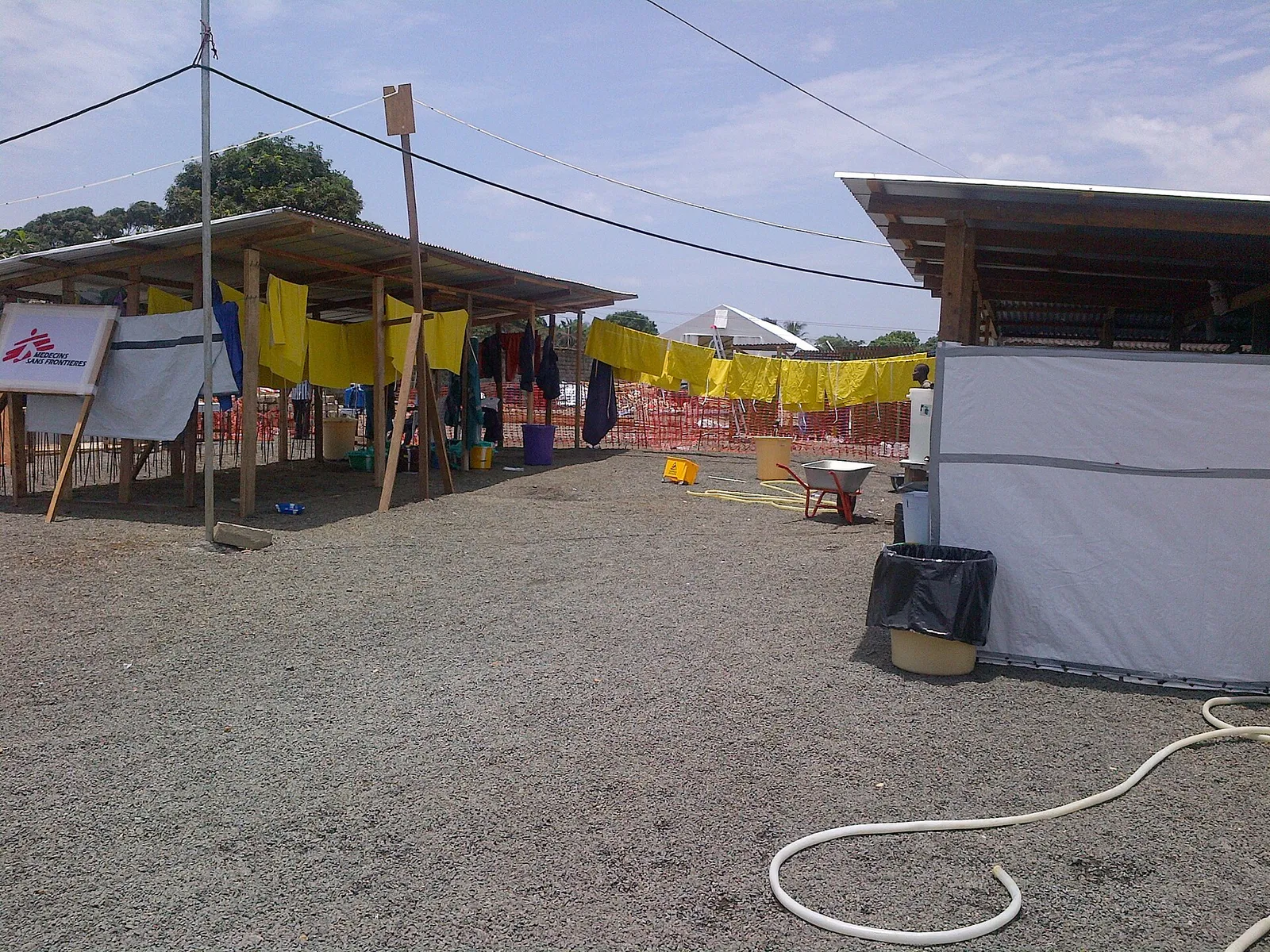
At the center of any Ebola response are those who go where others will not — into homes where the sick lie, and into the streets to collect the dead. Community health workers carry out contact tracing and symptom checks, often in camps crowded with people displaced by eastern Congo's long-running conflict. Safe-burial teams, in full protective gear, retrieve and inter bodies under strict protocols, because the virus can spread from corpses to mourners.
It is grueling and dangerous. WHO figures cited by Al Jazeera indicated that dozens of health workers had been infected and a number had died within the first weeks of the response. Marie Roseline Belizaire, a WHO official coordinating the effort, described an outbreak "evolving so fast" in a health system with too few workers to absorb the strain.
Distrust and the limits of authority
For many responders, the social dangers rival the medical ones. In a region where state institutions have repeatedly failed citizens, health teams often arrive among people with little reason to trust them, and misinformation has taken hold — some residents have described the outbreak as a pretext for officials to siphon funds, Al Jazeera reported, discouraging cooperation.
Safe-burial rules touch an especially raw nerve. Across the region, washing and touching the body of a dead relative is both duty and farewell — a practice Ebola control requires families to give up. Some have refused. In one reported incident, young men broke into a hospital and set fire to treatment tents to recover relatives' bodies for traditional burial; in others, families removed patients from care. Each confrontation makes the public-health task harder.
A response stretched thin
International help has mobilized but unevenly. Containment is estimated to require hundreds of millions of dollars, and only a fraction had been raised by late June, far short of the sums marshaled during the 2014 West Africa epidemic. WHO epidemiologists have warned that isolation-bed capacity remains below what is needed as new cases appear in fresh areas.
Without a vaccine or treatment for Bundibugyo, the response rests on isolation, contact tracing, safe burials — and community trust, which in the current climate is the hardest thing to secure. For the volunteers who keep showing up, suiting up each morning and knocking on doors each afternoon, the work is, quite literally, the line between containment and a far wider crisis.