A federal judge on Tuesday struck down a Trump administration rule that would have allowed the U.S. Education Department to disqualify some nonprofit and government employers — and their workers — from a widely used student-loan forgiveness program, halting the change a day before it was scheduled to begin.
The ruling
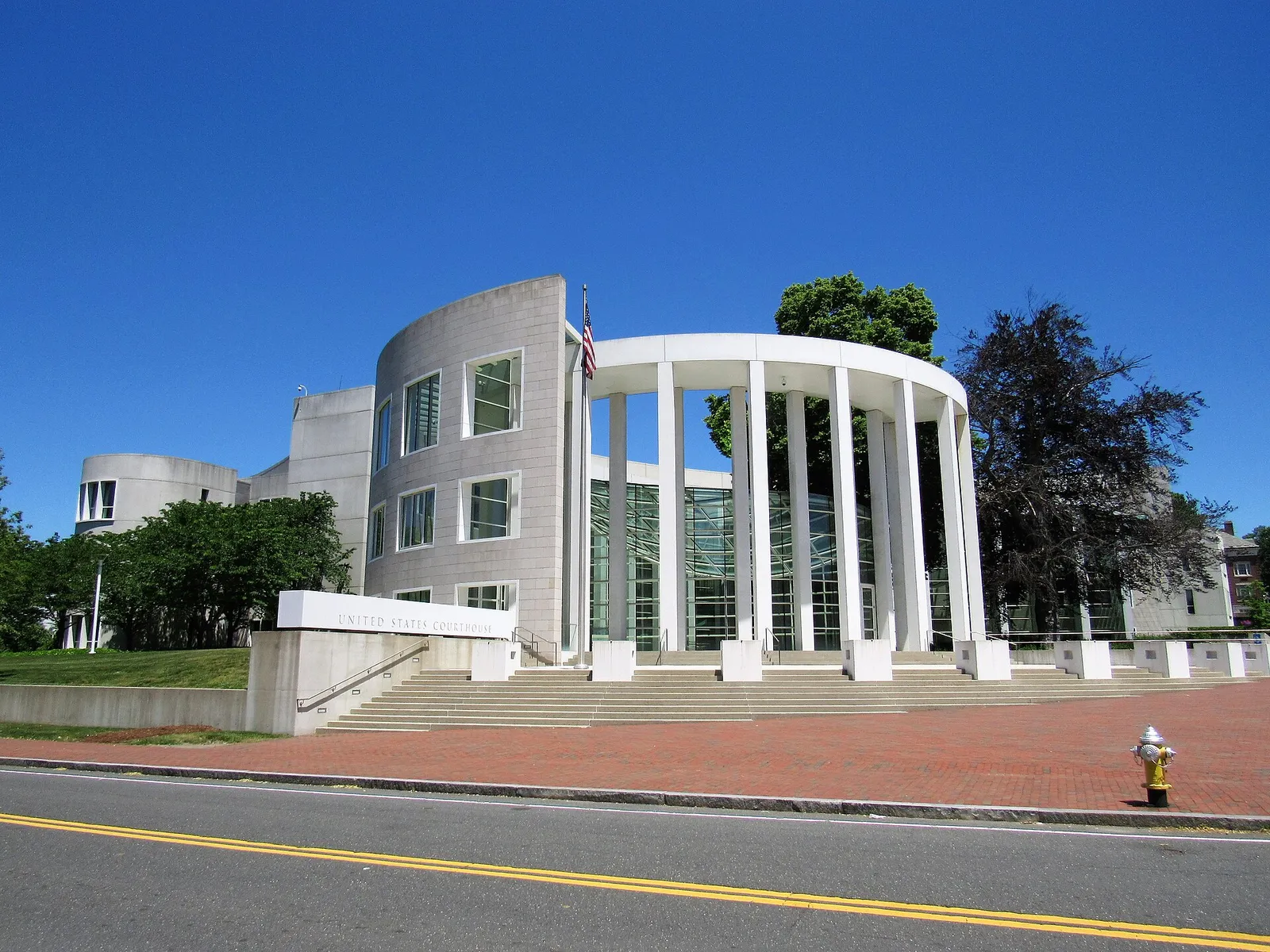
U.S. District Judge Myong J. Joun, sitting in Massachusetts, vacated the rule on June 30, the Washington Post reported. The judge found that the regulation ran afoul of the First Amendment by targeting organizations based on their activities and speech, and that the department had exceeded its statutory authority. In his decision, Joun wrote that the rule threatened to revoke eligibility from borrowers who, "among other things, lawfully assist immigrants; teach diversity, equity, and inclusion practices; and facilitate gender-affirming care," and that the record showed it had "already chilled protected speech."
What the rule would have done
The Public Service Loan Forgiveness program, administered by the Education Department, cancels the remaining federal student debt of people who work for government or nonprofit employers and make 120 qualifying monthly payments — roughly a decade of service. It is used by teachers, nurses, service members and other public-sector workers.
The blocked rule stemmed from an executive order the president issued in 2025 directing the department to exclude from the program employers deemed to be engaged in activities the administration considered illegal. The finalized regulation would have given the education secretary authority to make those determinations and to disqualify affected employers and their employees.
The two sides
The administration argued the change was meant to ensure that taxpayer-funded benefits went only to organizations engaged in lawful activity, citing concerns including support for illegal immigration. Officials framed it as protecting public money rather than punishing viewpoints.
The challengers — a coalition that included states, cities, labor unions and nonprofit organizations — countered that the rule was unconstitutional and violated the Higher Education Act, which designates government bodies and registered nonprofits as eligible employers. They argued it would let the government single out groups whose missions or advocacy it disfavored, turning a benefit for public servants into a tool of political pressure.
What happens now
With the rule vacated, PSLF continues under its existing standards, and public-service workers remain eligible for forgiveness after 10 years of qualifying employment and payments. The administration had not said whether it would appeal. For the millions of borrowers counting on the program, the decision removes, at least for now, the prospect of losing eligibility because of where they chose to work.