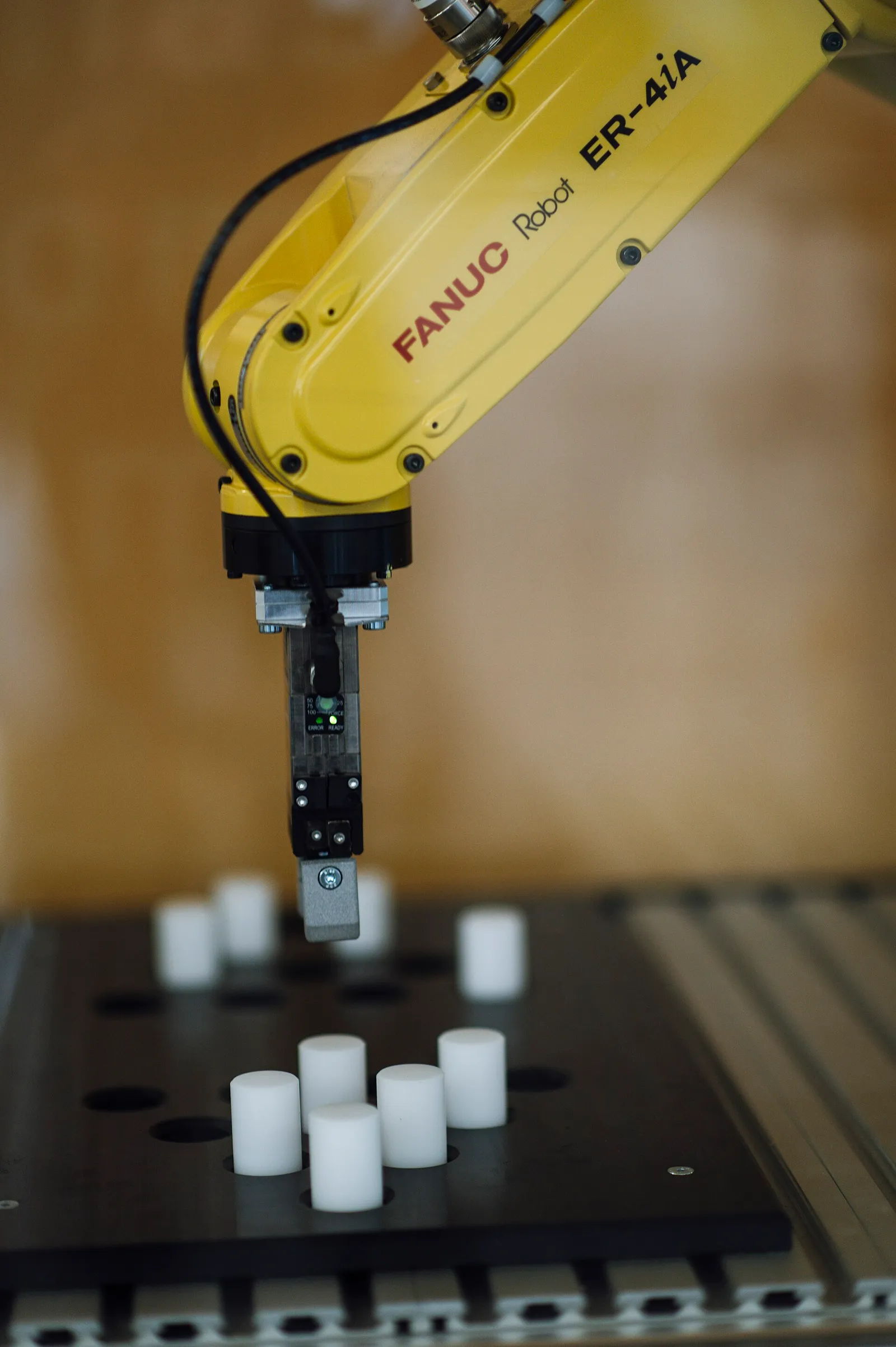
China is one of the world's most aggressive adopters of automation. It is now also trying to manage the consequences — and its approach looks very different from the West's.
A line drawn in court
In a pair of cases this year, Chinese courts ruled that companies cannot lay off or demote workers simply because artificial intelligence can perform their roles more cheaply, Bloomberg reported. The judges reasoned that adopting AI is a strategic business choice, not an unforeseeable event — so a firm that automates a job must first try to retrain the worker, reassign them to an equivalent post at equivalent pay, or otherwise absorb the change, rather than shifting the cost entirely onto the employee. One publicized case, reported by Fortune, involved a tech worker whose employer tried to cut his pay sharply after deciding AI could do his job. The courts have circulated such decisions as guidance for how similar disputes should be settled, Caixin reported.
A wider plan
The rulings sit within a broader, government-led effort. Employment is a top priority for China's leadership, which treats joblessness as a threat to social stability, and officials have grown more vocal about the risks AI poses to work — in factories, services and white-collar offices alike. Policymakers have signaled they will monitor how AI creates and destroys jobs and build early-warning systems for at-risk sectors, and officials are weighing measures such as expanded retraining and support funds for displaced workers. Many of these remain proposals rather than settled policy, but the direction is clear: the state intends to steer not just the rollout of AI, but its fallout.
A different model
That stance contrasts with the largely market-driven response in the United States and much of the West, where governments have leaned toward light-touch regulation and left firms to manage workforce changes. China's centralized system lets the government coordinate AI adoption with labor protections, lean on companies directly, and frame employment security as part of its goal of "common prosperity." Whether that is wise or workable is exactly the question now being tested.
Doubts about whether it can work
Skeptics are unconvinced the measures can keep pace with the technology. Enforcement is difficult: workers may hesitate to challenge an employer for fear of harming their future prospects, and the financial pressure on firms to automate is immense. As one analyst put it, the profit motive remains a powerful magnet pulling companies toward AI regardless of the rules. The worry that machines will displace large numbers of workers is a global one, with no settled answer anywhere. China's experiment — a bet that the state can soften the disruption — will be watched closely well beyond its borders.