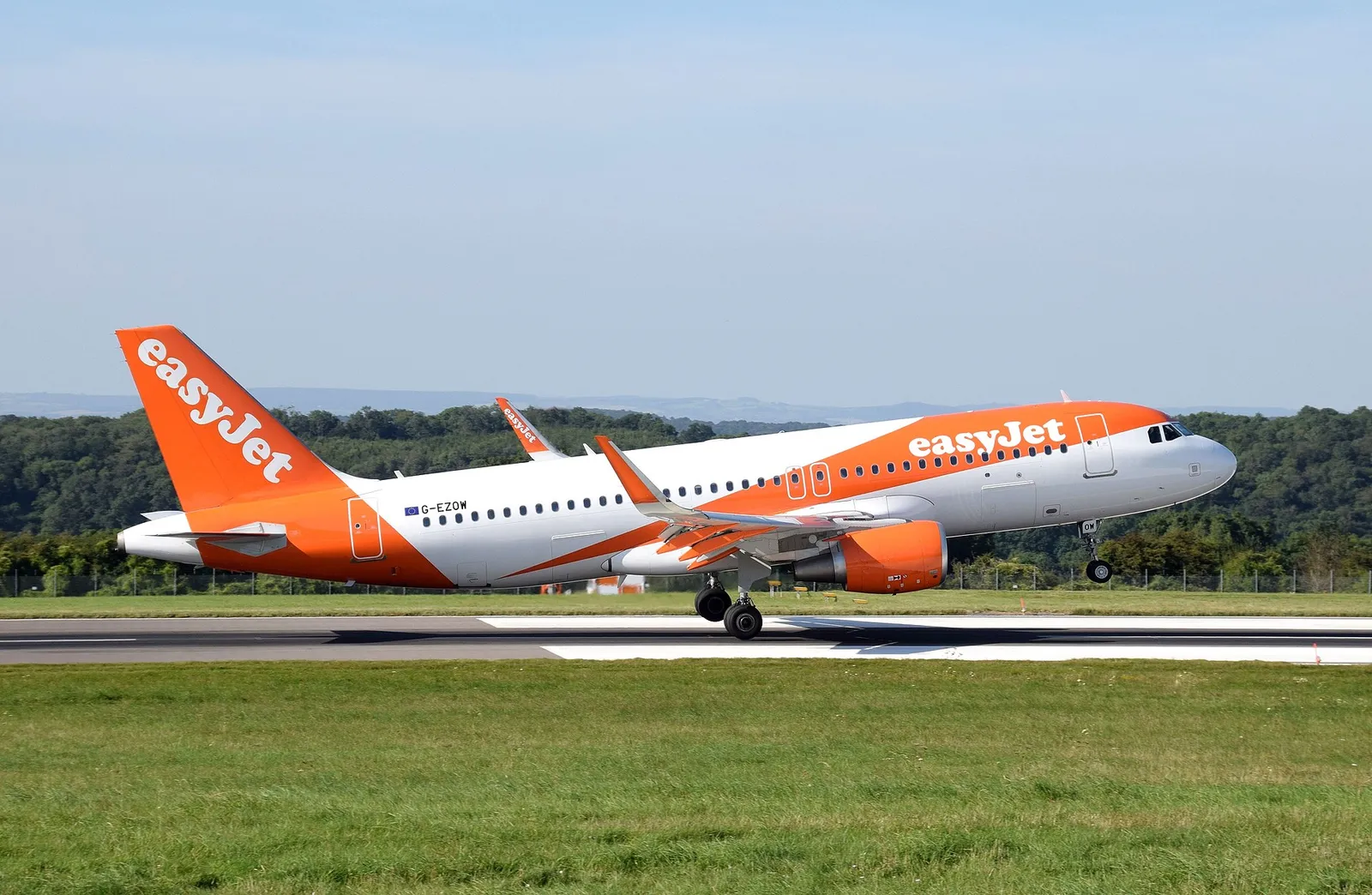
EasyJet's board has agreed in principle to a takeover of the airline by the US private-investment firm Castlelake, at a price of £6.90 per share in cash, The Guardian reported. The offer values one of Europe's largest low-cost carriers at roughly £5.5 billion and, if completed, would take the company off the public market.
A deal reached after months of talks
The agreement follows weeks of negotiation and several rejected bids. EasyJet had turned down earlier, lower offers as undervaluing the business before Castlelake raised its price, Bloomberg reported. The £6.90-a-share figure represents an improvement on those earlier proposals, though it remains below the level some shareholders had argued the airline was worth.
Importantly, this is an agreement in principle rather than a completed deal. Castlelake has until early August to make a firm offer or walk away, and EasyJet's board has indicated it would be minded to recommend such an offer to shareholders, who would then need to vote in favor.
An unusual ownership structure
Because airlines operating in the UK and European Union must remain majority-owned and controlled by nationals of those countries, the buyers have structured the deal to comply. Castlelake would hold a minority stake of up to 49%, with the remaining majority held by European investors, an arrangement designed to keep the airline within aviation-ownership rules while giving Castlelake effective control.
The takeover would still require clearance from the relevant aviation and competition authorities before it could close.
Why now
The approach came at a testing moment for the airline. EasyJet, like its rivals, has been exposed to higher fuel costs linked to this year's conflict involving Iran and the disruption to oil supplies, pressures that have weighed on airline valuations across Europe. For Castlelake, that backdrop made the carrier available at a price below where it traded before the recent turbulence.
Supporters of the deal argue that private ownership could give EasyJet room to invest in newer, more efficient aircraft and to expand its package-holidays business away from the quarterly scrutiny of public markets. Skeptics will watch closely for what a change of ownership means for fares, routes and jobs. For now, the airline and its would-be buyer have agreed the outline of a deal; whether it becomes final rests on the weeks of due diligence, regulation and shareholder votes still to come.