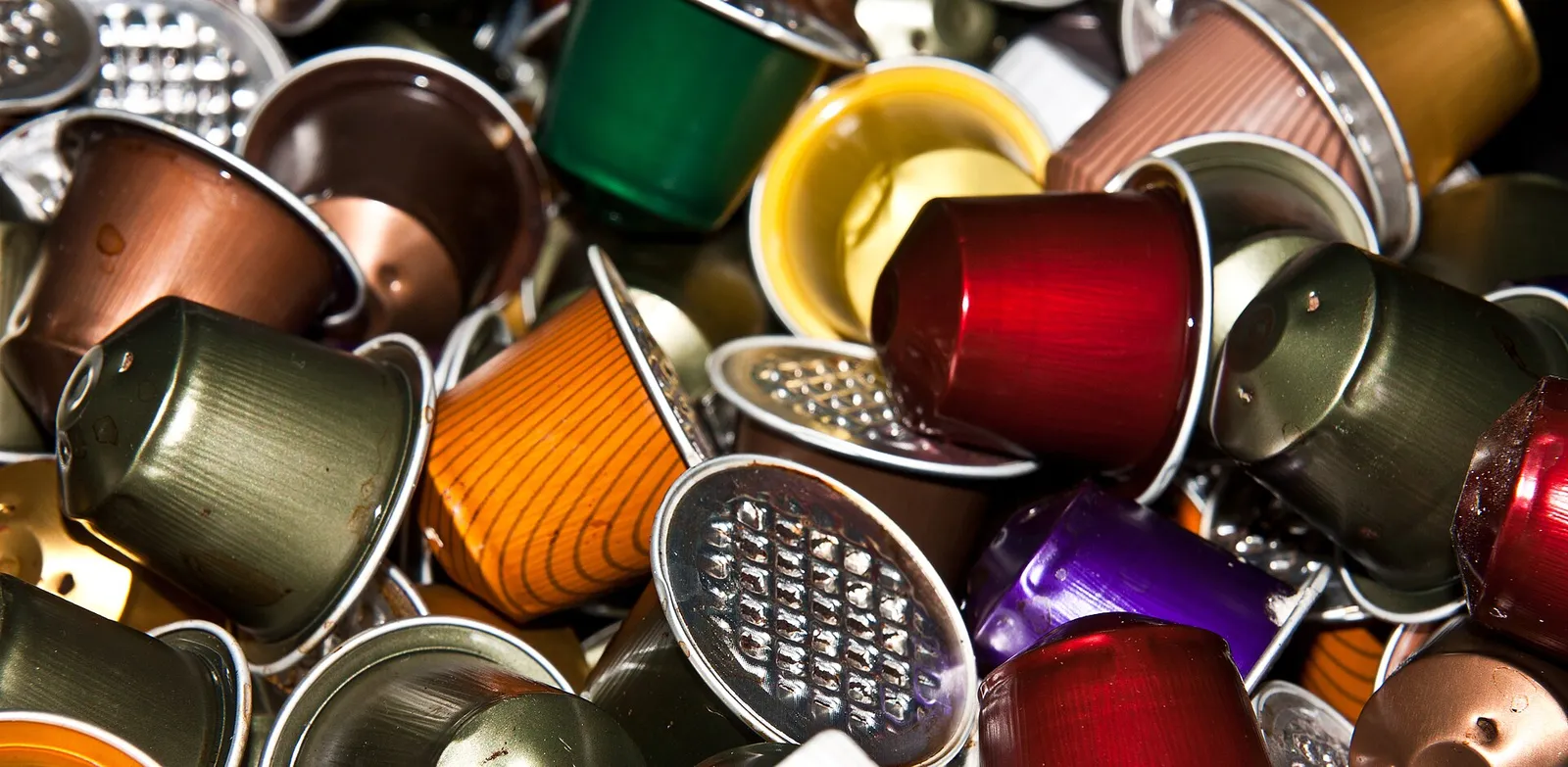
Few gadgets have reshaped a daily ritual as thoroughly as the single-serve coffee machine. Drop in a sealed pod, press a button, and a fresh cup appears in under a minute, with no grinding, measuring or cleanup. That simplicity turned the coffee pod into a fixture of kitchens and break rooms. It also created a waste problem that the industry is still struggling to answer.
Convenience, bottled
The idea behind the pod was to remove the friction from brewing. Keurig, founded in the early 1990s, brought its K-Cup system to homes in the late 1990s, and rivals followed. For households juggling busy mornings and for offices tired of stewed pots of coffee going cold, the trade-off was easy to accept, even though a cup brewed from a pod typically costs several times more than one made from a bag of ground coffee.
The pods also lowered the barrier to trying different roasts and flavors, and the machines spread quickly into workplaces. Some coffee enthusiasts grumbled that the results were weaker or less nuanced than a carefully brewed cup, but for most buyers speed and ease won out.
Second thoughts from the inventor
The environmental bill came later. Billions of pods are sold each year; in 2014 alone, one widely cited figure put Keurig's K-Cup sales at close to 10 billion, enough, commentators noted, to circle the planet several times over. Most are small, mixed-material objects that are awkward to recycle and slow to break down.
One of the most striking critics has been John Sylvan, who helped invent the K-Cup and later sold his stake in the company. He has said he sometimes regrets creating it, telling CBC News that he does not use the machines himself and casting doubt on how recyclable the pods really are. His discomfort captured a wider unease about a product designed to be used once and thrown away.
Claims under scrutiny
Manufacturers have responded by redesigning pods and promoting recycling. Keurig has said its pods have been made from recyclable material since 2020. But recycling in practice has proved far harder than in theory, because small pods often slip through sorting systems or are contaminated with grounds.
Those claims have drawn official scrutiny. In 2024, the US Securities and Exchange Commission said Keurig had misled the public over statements that its pods were recyclable, as NPR reported, after finding that some recycling facilities did not accept them. The case underscored the gap between marketing and what actually happens to a pod once it is thrown out.
Where the cup is heading
The pod is not going away; the convenience is simply too popular. But the market is shifting at the edges. Some drinkers have moved to refillable pods that cut both cost and waste, and some brands emphasize recyclable aluminum capsules or collection schemes. Others have gone back to a simple carafe.
The coffee pod's story is, in the end, a familiar one about convenience. It solved a real annoyance and won over millions of people, then revealed a cost that was easy to ignore one cup at a time but hard to miss once the empties were counted in the billions. The industry's task now is to keep the ease while disposing of far less, a problem that, unlike a morning coffee, has no quick fix.