The Democratic Republic of Congo is racing to bring under control one of its most serious Ebola outbreaks in years — a fast-moving epidemic that has killed hundreds, spread across several eastern provinces, and unfolded in a region already gripped by armed conflict and hunger.
The scale so far
The outbreak was confirmed in mid-May and traced to Ituri province, in the country's east. As of late June, Congolese health authorities had recorded 1,333 confirmed cases and 399 deaths, according to the World Health Organization, which drew on figures from the DRC's national public-health institute. The bulk of cases have been in Ituri, with further spread reported to North Kivu, South Kivu and beyond.
The virus has also crossed borders. Neighboring Uganda has reported a small number of confirmed cases and two deaths, and a single case linked to the outbreak was detected in France. On May 17, the WHO declared the epidemic a Public Health Emergency of International Concern — its highest level of alarm, reserved for events that pose a risk of international spread.
All figures remain provisional and are likely to change as testing and investigation continue.
A strain with no approved vaccine
What makes this outbreak especially difficult is the strain involved. It is caused by the Bundibugyo virus, a species of Ebola that is far less common than the Zaire strain behind most of the region's past epidemics. Crucially, the vaccines and treatments approved for the Zaire strain are not authorized for Bundibugyo, the WHO has said.
That has left responders without the frontline tools that helped blunt earlier outbreaks. Health agencies have moved to fast-track testing of candidate vaccines and treatments, but for now containment rests largely on the classic public-health measures: isolating patients, tracing their contacts, and safe care and burials.
Conflict makes containment harder
The outbreak is centered on a part of eastern Congo that has been torn by violence for years. Fighting involving armed groups — including the M23 movement — has displaced large numbers of people, strained health services and, at times, put medical workers and facilities at risk. Aid agencies say insecurity and population movement have made it far harder to find and follow up cases.
The WHO has warned that the epidemic represents a dangerous collision of disease, conflict and hunger, as UN News reported, with millions of people in the wider region already facing acute food shortages. Reaching every contact of an infected person — the key to stopping transmission — has proven difficult in areas that are remote, insecure, or simply beyond the reach of overstretched teams.
The response
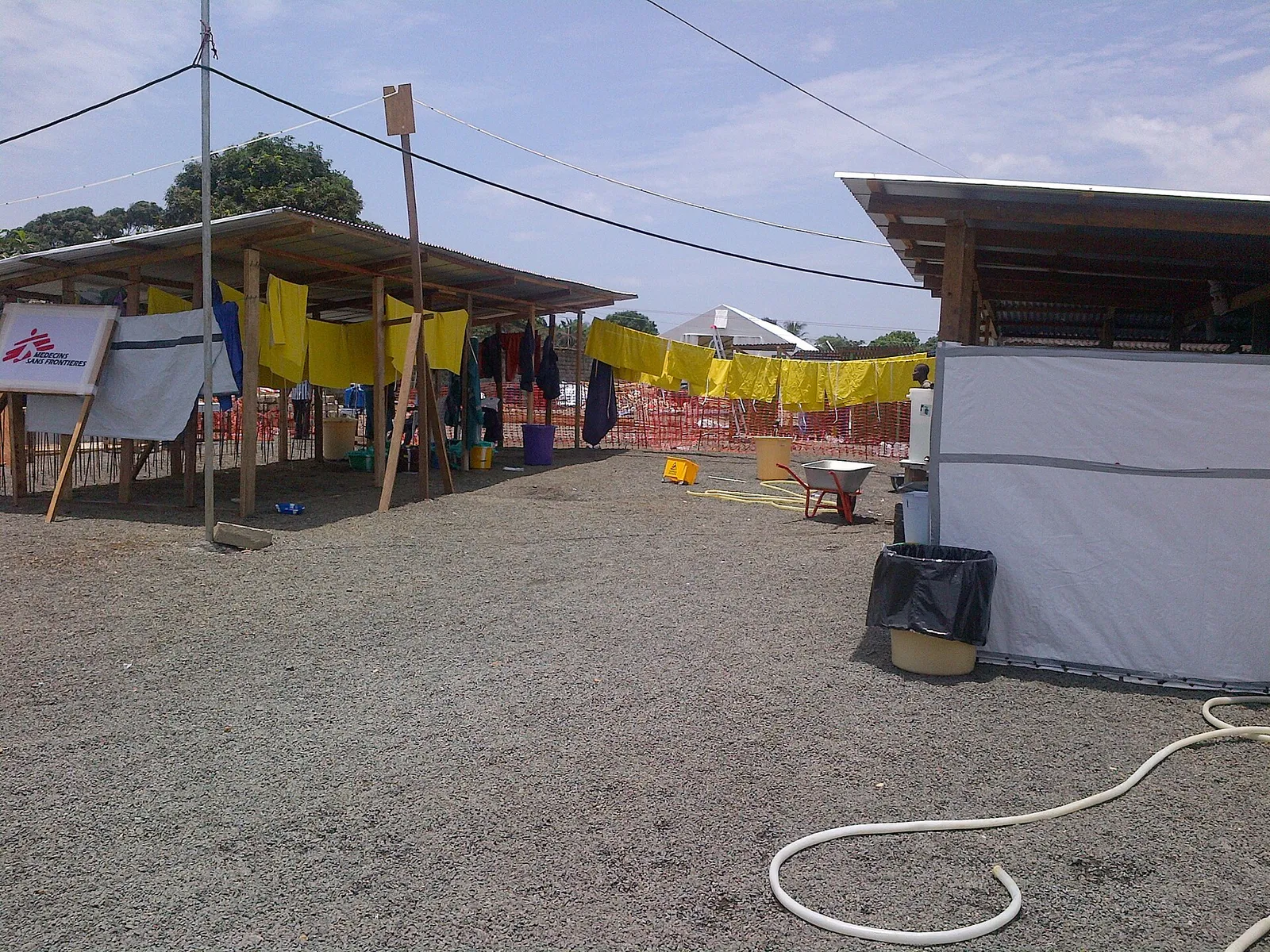
International and Congolese responders, including the health ministry, the WHO and medical charities such as Doctors Without Borders, have set up treatment centers in the affected provinces and are working to expand surveillance and contact tracing. Additional support has come from other governments and health organizations.
A country that knows Ebola well
Congo is no stranger to the disease: this is among the country's many Ebola outbreaks, and it has hard-won experience in fighting them. A major epidemic in the country's east between 2018 and 2020 killed more than 2,000 people and was also hampered by conflict — a grim precedent that health officials are determined not to repeat.
For now, the priority is speed. With a strain that current vaccines do not cover, and a setting that makes every step harder, the coming weeks will test whether responders can get ahead of a virus that has already claimed hundreds of lives.