The Philippines, one of the world's most volcanically active countries, has seen two of its volcanoes stir in recent days — a reminder of the seismic forces that shape the archipelago, though officials stressed the activity so far has been limited and no one has been hurt.
Taal's short bursts
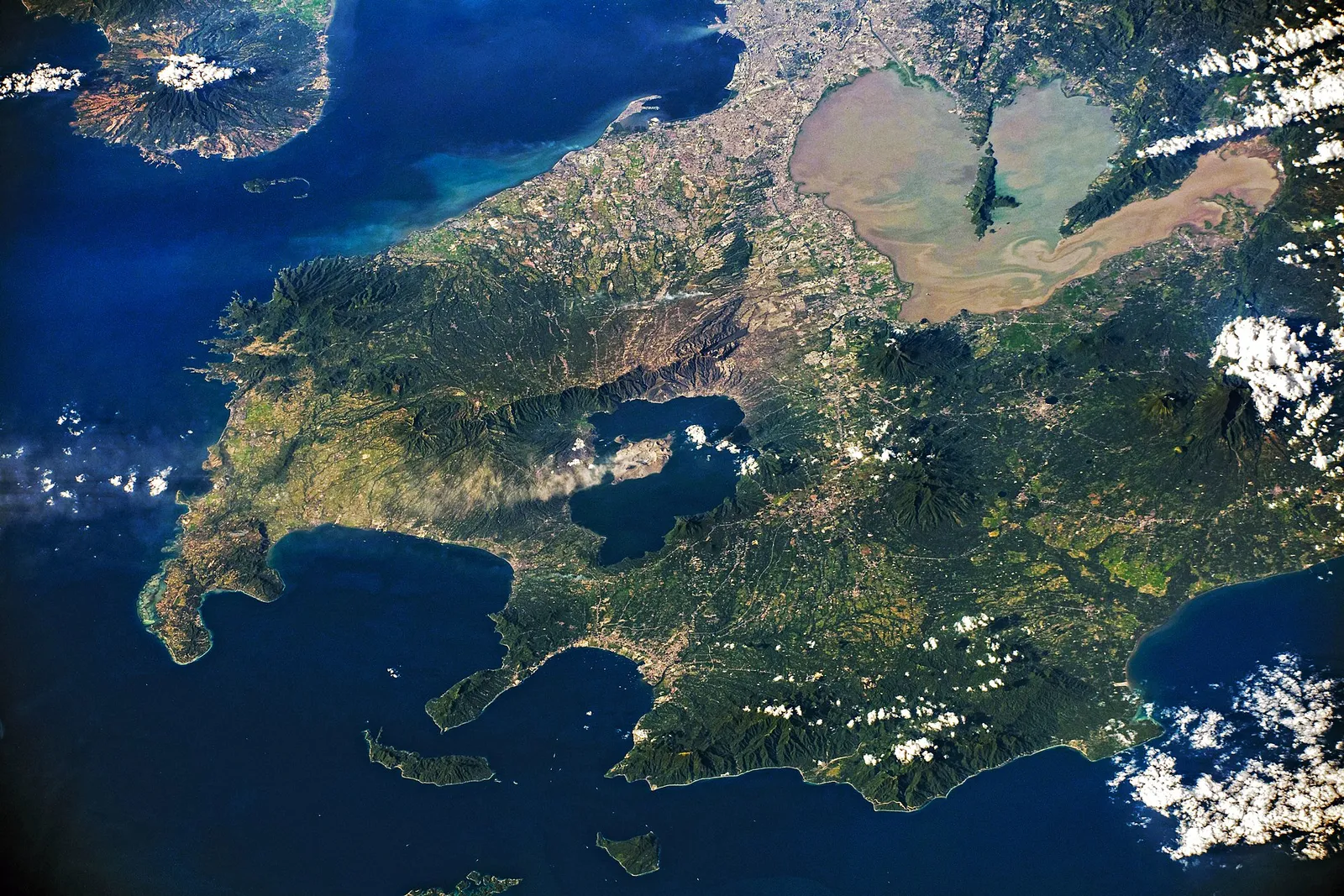
Taal, a small but notoriously restless volcano that sits in a lake about 65 kilometers (40 miles) south of Manila, produced brief eruptions late last month. The activity was phreatomagmatic — driven by the interaction of magma with water — sending up columns of ash and steam, Manila Bulletin reported, citing the Philippine Institute of Volcanology and Seismology (Phivolcs). One of the bursts pushed an ash plume more than a kilometer above the crater before it drifted away, and the movements briefly stirred wave-like disturbances across the volcano's crater lake.
Phivolcs kept Taal at Alert Level 1, the lowest step on its five-level scale, indicating low-level unrest, Gulf News reported. Even at that level, the agency cautioned, sudden steam-driven blasts, minor ashfall and the buildup of volcanic gases remain possible, and it reminded the public that Taal Volcano Island is a permanent danger zone where people are not allowed to live.
Kanlaon's ash column
Around the same time, Kanlaon, a larger volcano on the central island of Negros, released ash of its own, with a plume reported to have risen several hundred meters. Kanlaon has been held at a higher alert level than Taal, reflecting a greater degree of unrest, and communities nearby have at times been advised to guard against ashfall and to keep out of the designated danger zone around the summit.
Why the Philippines is so volcanic
The country sits on the Pacific "Ring of Fire," the horseshoe-shaped belt of intense seismic and volcanic activity that rings the Pacific Ocean, where tectonic plates grind together. That geology gives the Philippines dozens of volcanoes, several of them active, and a long history of eruptions — from Taal's periodic outbursts to the catastrophic 1991 eruption of Mount Pinatubo, one of the largest of the 20th century.
Because Taal in particular lies so close to the densely populated capital region, even minor activity is watched carefully. A far larger Taal eruption in January 2020 blanketed nearby towns in ash and forced tens of thousands to flee, a memory that keeps authorities and residents alert to any sign of escalation.
What happens now
For now, the message from officials is one of watchfulness rather than alarm. Phivolcs monitors the volcanoes around the clock and updates alert levels as conditions change. It has urged people to heed danger-zone restrictions, to be ready for ashfall — including wearing masks and protecting water supplies — and to follow official advisories rather than rumor. Neither volcano, the agency indicated, is showing signs of an imminent major eruption, but both will continue to be closely tracked.