The artificial-intelligence boom needs somewhere to live, and increasingly that somewhere is a giant, power-hungry data center on the edge of an American town. Now the people who live near those towns are pushing back — and taking their anger to the ballot box. A wave of local elections and recall campaigns has turned data centers into a potent political issue, The Guardian reported.
Officials voted out
The clearest sign of the backlash is the officials who have lost their jobs over it. In Festus, Missouri, voters removed four city councilors after the council approved a multibillion-dollar hyperscale data center, with turnout far above that of recent local contests. In Independence, Missouri, councilmembers who backed a data center were also ousted, and in Wisconsin, residents opposed to AI infrastructure have moved to recall their mayor.
The trend has reached higher offices, too. In Utah, one of the state's most powerful lawmakers — a long-serving state Senate leader — was defeated in a primary by a challenger who ran partly on opposition to a large data-center project he had helped fast-track, as Newsweek reported. For a veteran politician to fall over a single infrastructure fight is a striking measure of how strongly the issue now resonates with some voters.
What residents are worried about
The objections tend to cluster around a few concrete concerns. Data centers consume large amounts of electricity and, often, water for cooling — and residents fear that this demand will push up their own utility bills and strain local supplies. They also point to noise from the facilities, the loss of green space and farmland, and a sense that the promised economic benefits are thin: the sites employ relatively few permanent workers once built.
There are numbers behind the worry. In the region served by the PJM grid, which covers the Mid-Atlantic and beyond, data centers have been linked to billions of dollars in higher capacity costs, translating into estimated increases of roughly $15 to $18 a month on residential electricity bills in some areas. For households already stretched, a rise of that size, tied to facilities they never asked for, is a powerful motivator.
The other side of the ledger
Supporters of the projects — including companies, and many local officials who approve them — argue the facilities bring investment, tax revenue and a foothold in a strategically important industry. Data centers are the backbone of modern computing, from cloud services to the AI models now reshaping the economy, and communities that host them can gain construction jobs and, sometimes, substantial payments to local budgets.
The dispute is often about how those benefits and costs are shared: whether the tax incentives offered to lure the projects are worth it, who pays for the added strain on the grid and water systems, and whether residents have any real say. When the answers feel lopsided, the backlash follows.
The bigger picture
What makes this moment notable is that a highly technical, national story — the race to build the infrastructure for artificial intelligence — is now being decided, in part, in town halls and local elections. The demand for computing power is only growing, which means more data centers, in more places, and more communities weighing what they are willing to accept.
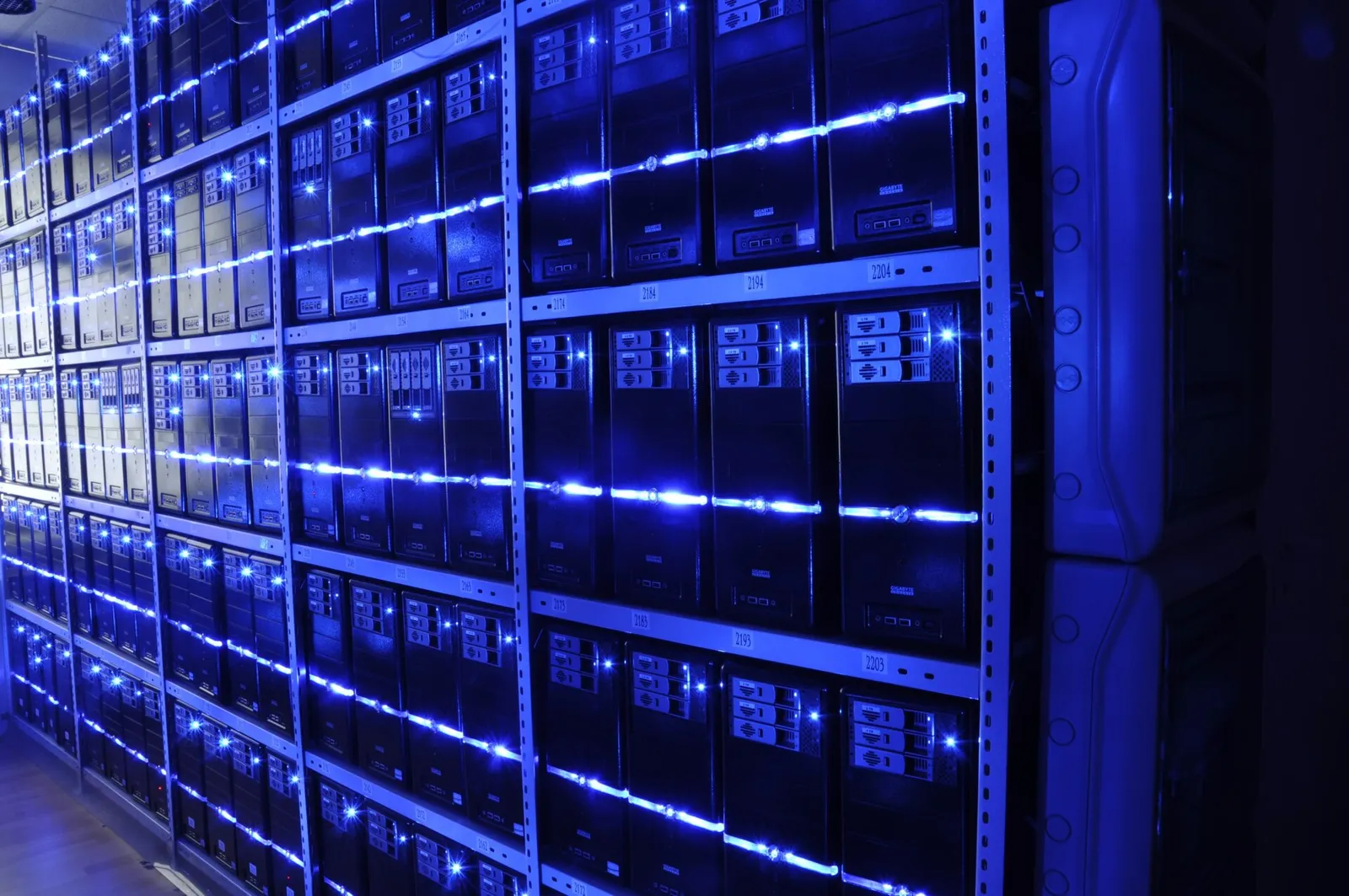
The politics cut across party lines, uniting neighbors who might disagree on much else in a shared objection to what is being built next door. For an industry accustomed to operating out of public view, in windowless buildings full of humming machines, the lesson is that the AI boom now has to win not just server contracts but local consent — and that consent, a growing number of votes suggest, can no longer be taken for granted.