Craig Williams, a former Conservative member of Parliament, pleaded guilty on Monday to an offence of cheating at gambling connected to the date of the 2024 UK general election, Britain's Gambling Commission said. A co-defendant, Amy Hind, also admitted the offence.
What he admitted
At Southwark Crown Court in London, Williams pleaded guilty to cheating contrary to section 42 of the Gambling Act 2005. The charge arose because he placed a bet that the general election would be held in July 2024 — a wager made shortly before Mr. Sunak publicly announced that date in May, and at a time when Williams, through his role, had access to confidential information about the government's plans. The maximum sentence for the offence is two years' imprisonment, an unlimited fine, or both; Williams and Hind are to be sentenced at a later date.
Who he is
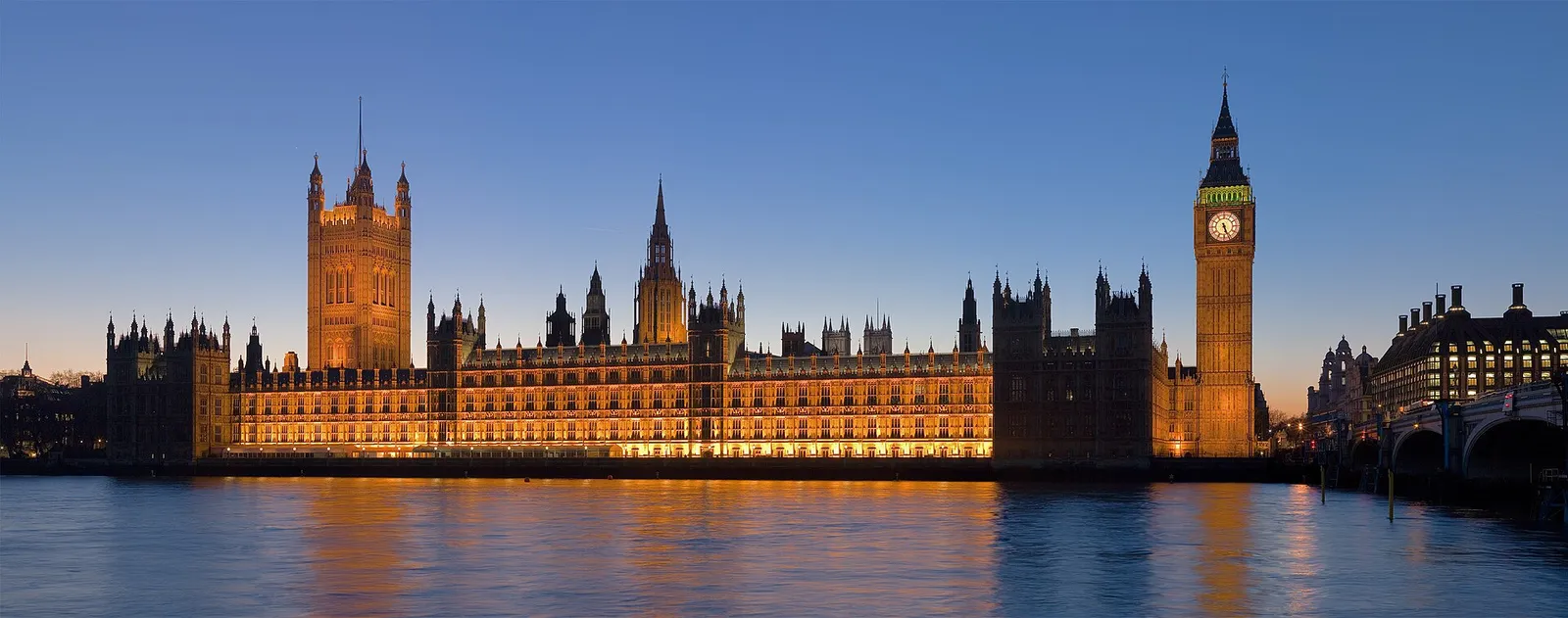
Williams was the Conservative MP for Montgomeryshire, in Wales, and served as parliamentary private secretary to Mr. Sunak — an unpaid aide role that placed him close to the prime minister and to sensitive discussions, including about election timing. He lost his seat at the 2024 election, which the Conservatives went on to lose heavily to Labour. He has previously called the bet "a huge error of judgment."
A wider scandal
The case is the most prominent to conclude in what became known as the election betting scandal. After it emerged in 2024 that figures connected to the Conservative Party had bet on the election date in the days before it was announced, the Gambling Commission opened an investigation and ultimately charged 15 people — among them other Conservative officials and candidates — with similar offences. The inquiry also drew in several Metropolitan Police officers. Some cases are not expected to come to trial for some time.
Why it mattered
The revelations landed in the middle of the 2024 campaign and caused real damage to the Conservatives, raising pointed questions about whether people in positions of trust had used privileged knowledge for personal profit. Senior figures in the party distanced themselves from those involved at the time, and the affair fed a broader sense of disrepute around the closing weeks of a campaign the party was already losing. With Monday's guilty pleas, one of the longest-running threads of that story has reached a resolution — though the sentences, and several other cases, are still to come.