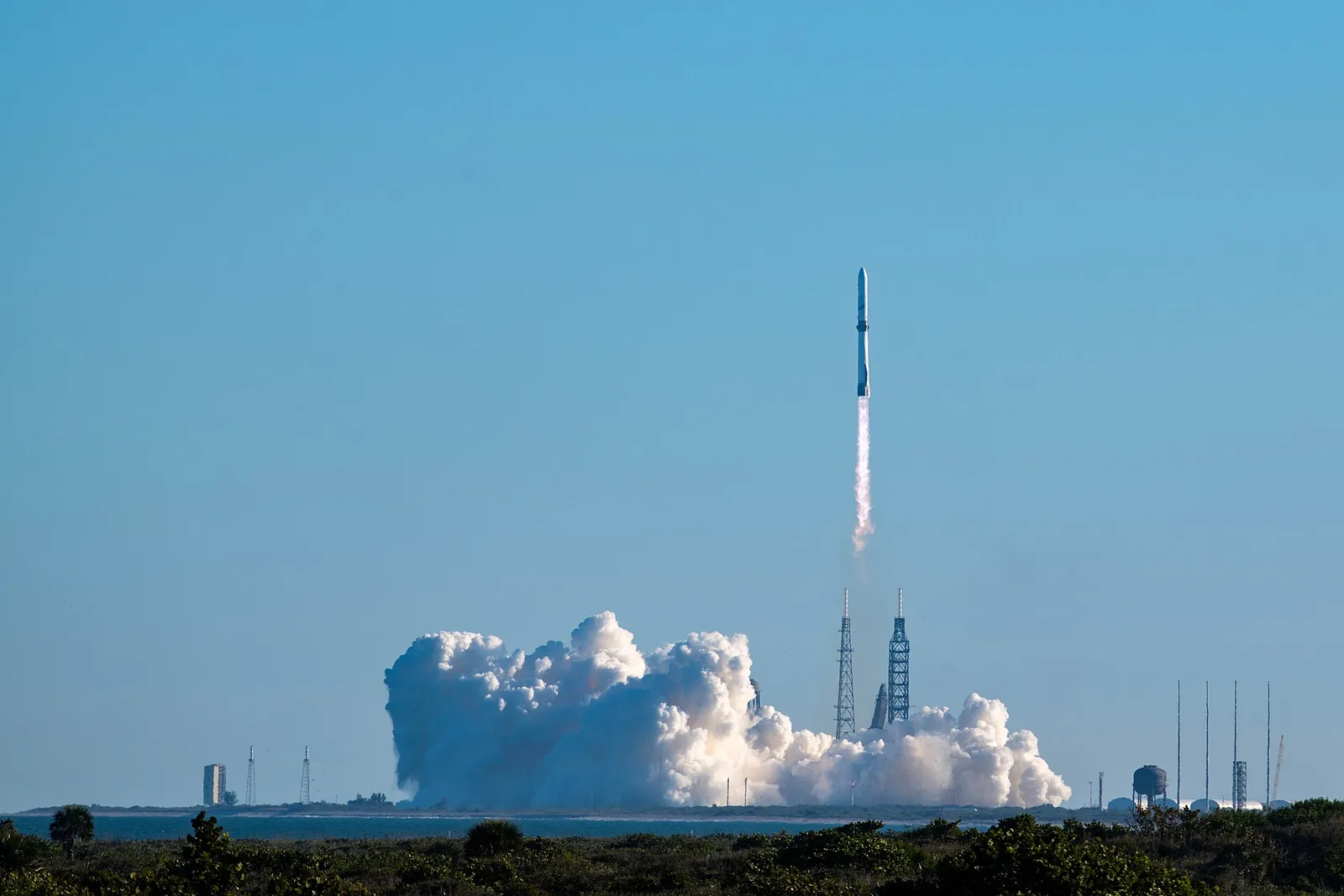
More than a month after one of its rockets erupted in flames in Florida, Blue Origin is still searching for an explanation — and counting the cost.
What happened
On May 28, a New Glenn rocket was destroyed during a static fire test — a pre-launch ground exercise in which the rocket's engines are briefly ignited while it is held in place — at Launch Complex 36 at Cape Canaveral, TechCrunch reported. The explosion destroyed the vehicle and badly damaged the pad, including ground equipment used to raise and service the rocket, according to Spaceflight Now. No one was injured, the company said.
Still no cause
A month on, Blue Origin says it has not pinned down what went wrong. The company is sifting through data from cameras and sensors but has called it too early to identify a root cause, its chief executive, Dave Limp, has said. The U.S. Federal Aviation Administration, which licenses orbital launches, said the static fire fell outside the scope of its licensed activities and so would not trigger a formal FAA investigation — a distinction from accidents that occur during flight.
What New Glenn is
New Glenn is Blue Origin's heavy-lift orbital rocket, a large, partially reusable vehicle built to carry sizable payloads to orbit. The company, founded by the Amazon billionaire Jeff Bezos, flew the rocket for the first time in January 2025, and New Glenn is central to its effort to compete with SpaceX in the launch market. Its first stage is powered by Blue Origin's BE-4 engines, which also fly on United Launch Alliance's Vulcan rocket.
The stakes
The loss complicates a crowded manifest. New Glenn had been lined up to launch satellites for Amazon's Leo internet constellation — Bezos's answer to SpaceX's Starlink — and to carry NASA's Blue Moon landers, part of the agency's plans to return cargo and, eventually, astronauts to the Moon. With Launch Complex 36 Blue Origin's only New Glenn pad, rebuilding it is expected to take months, pushing those missions to the right. An earlier New Glenn flight this spring had also suffered an upper-stage problem, Spaceflight Now reported, compounding the pressure.
A familiar risk
Developing a new orbital rocket is notoriously difficult, and explosions are an unwelcome but common feature of the process; SpaceX lost several rockets in its early years before building one of the industry's most reliable fleets. Blue Origin has said it intends to return New Glenn to flight in 2026. Whether that timeline holds is likely to depend on what its engineers find as they comb through the wreckage and the data — and how quickly the company can rebuild the pad that the blast destroyed.