At least 40 people were killed on July 3 when a passenger bus veered off a highway and tumbled into a deep ravine in a remote, mountainous stretch of southwest Pakistan, officials said — one of the deadliest road accidents the country has seen in recent months. Eight others were injured, Al Jazeera reported.
What happened
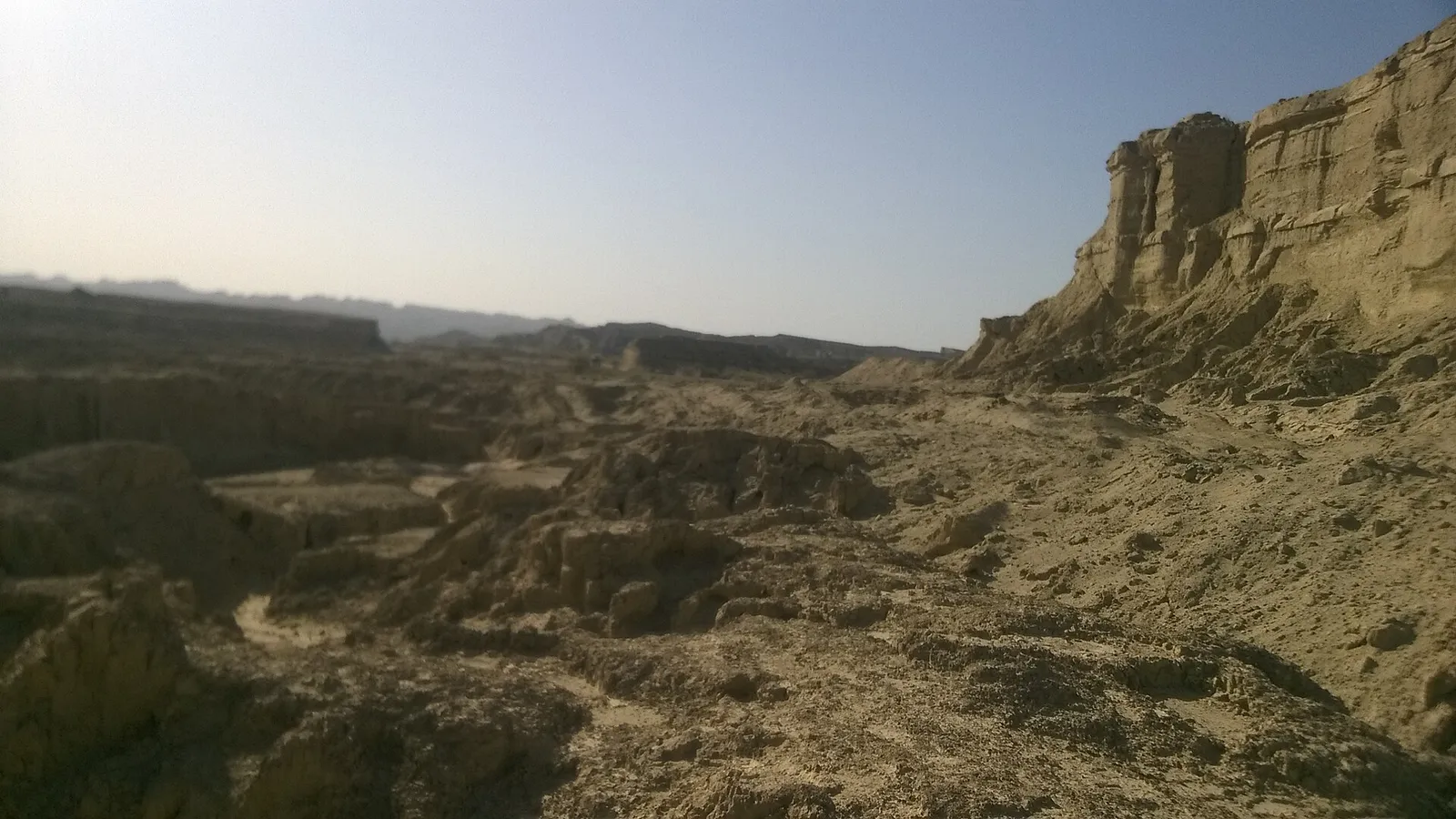
The bus was travelling from Quetta, the capital of Balochistan province, toward Peshawar in the northwest, a long-haul journey that winds through difficult highland terrain. It went out of control near the border between Balochistan and Khyber Pakhtunkhwa provinces, in a rugged area local officials referred to as Dana Sar, and plunged from the road into a rocky ravine, according to Euronews.
Two factors emerged in early accounts. The vehicle was overcrowded, having taken on passengers from a second bus that had broken down along the route. And the brakes are reported to have failed as the driver navigated a sharp bend on the descent, leaving him unable to hold the heavily laden bus on the road. As with many such crashes, a full official investigation will be needed to establish the precise cause.
A recurring toll on Pakistan's roads
Fatal bus and truck crashes are distressingly common in Pakistan, particularly on the long inter-provincial routes that cross mountainous country. Safety campaigners and officials have long pointed to a familiar set of causes: speeding, overloading, poorly maintained vehicles, aging brakes and tires, driver fatigue on lengthy journeys, and narrow, winding roads with steep drops and few barriers.
The combination is especially dangerous in areas like the one where this crash occurred, where highways climb and fall through passes and a single mechanical failure can be catastrophic. Overcrowding — often driven by cost and the pressure to keep vehicles full — compounds the risk, both by straining the vehicle and by raising the number of people exposed when something goes wrong.
The human cost
Behind the figure of 40 dead are families and communities on both ends of a long journey. Rescue workers reached the remote site to recover bodies and treat the injured, a difficult task in terrain that is hard to access quickly. The scale of the loss, in a single vehicle, is a reminder of how ordinary travel can turn deadly on roads where the margins for error are thin.
Pakistani authorities frequently pledge tighter enforcement of vehicle-safety and licensing rules after such disasters, but crashes of this kind continue to recur, and campaigners argue that lasting improvement requires sustained investment in road infrastructure and vehicle inspection rather than measures announced in the aftermath of each tragedy.
What comes next
Officials were expected to open an inquiry into the crash, examining the condition of the bus, the circumstances of the overcrowding and the reported brake failure. For now, the immediate focus was on identifying the dead and caring for the survivors — and on a grim total that, once again, has put Pakistan's road-safety record under scrutiny.