
Some of the vehicles hauling ammunition and carrying wounded soldiers on Ukraine's front lines now have no one in them. The American defense-technology company Forterra says it has put more than 100 of its uncrewed ground vehicles to work in Ukraine, in what it describes as the first sizable combat use of such systems by a US firm, TechCrunch reported.
What the machines do
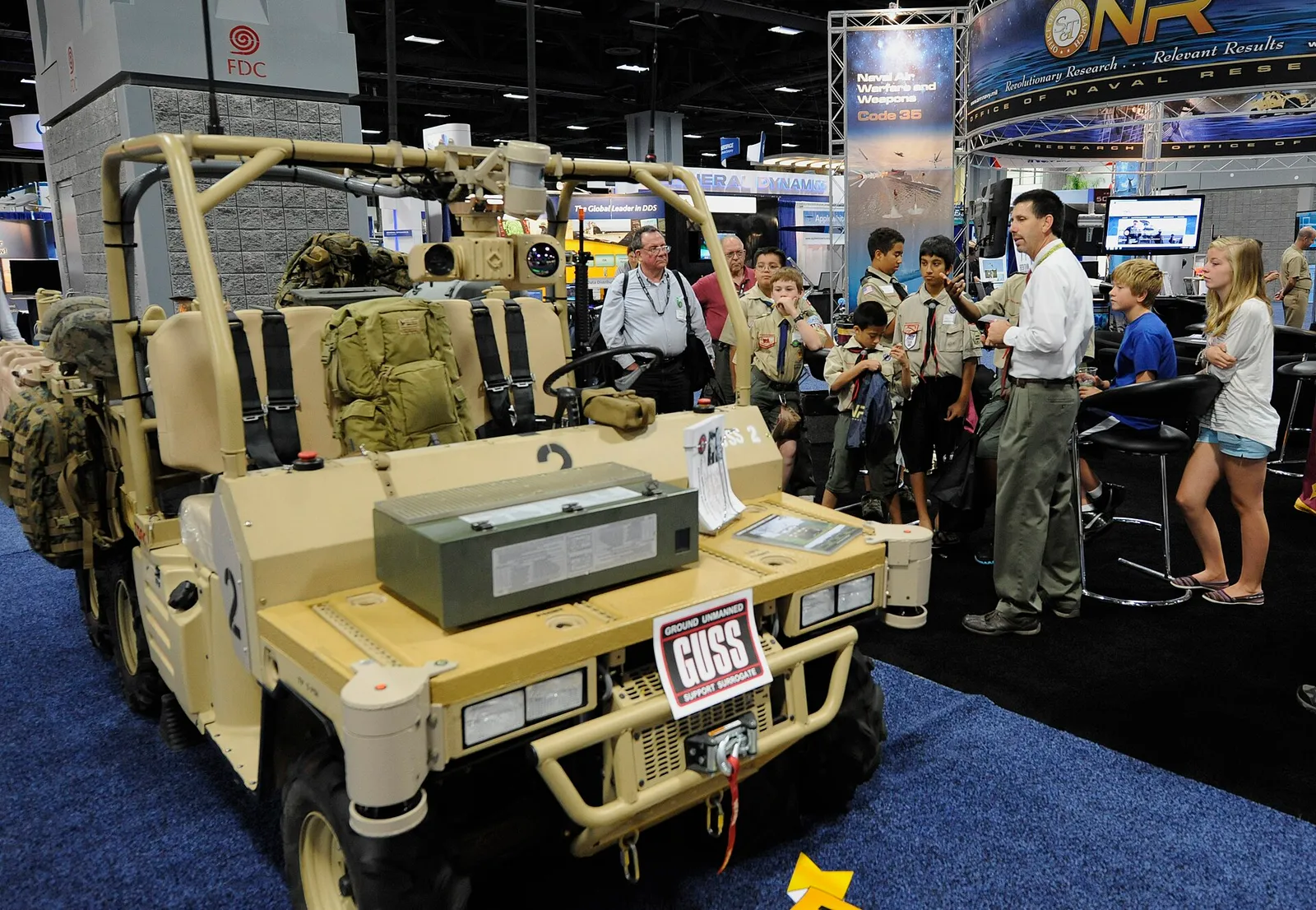
The vehicles, which the company calls Lancers and which are built on rugged off-road buggies fitted with sensors and computers, are used for the dangerous, unglamorous work of the "last mile" near the front: moving supplies forward and bringing casualties back. Forterra says the fleet has run well over a thousand missions and carried out dozens of casualty evacuations since it began operating late last year. Keeping a truck's worth of ammunition, or an injured soldier, out of a driver's cab matters on a battlefield saturated with drones and artillery.
Autonomous in name, remote in practice
For all the "autonomous" labeling, the reality is more modest. Ukrainian crews mostly operate the vehicles by remote control, TechCrunch reported; the machines can follow terrain and routes on their own, but they cannot yet spot an unexpected enemy and decide how to react. Developers are working to fold in more capable software, but for now a human is very much in the loop.
Hard lessons from the front
Ukraine has become a live laboratory for ground robots, and the lessons are sobering. Many uncrewed vehicles are lost, often to enemy drones rather than direct fire, and they bog down in mud, the Modern War Institute has noted. Control depends on communications links that Russian electronic warfare can jam, and bandwidth is often limited, degrading the video feeds operators rely on. The systems are useful, but fragile, and their performance in the field can fall short of the sales pitch.
A bigger shift
The Forterra deployment is one piece of a much larger push. Ukraine has said it wants to field tens of thousands of ground robots to spare soldiers the deadliest logistics runs, Defense News reported, and a wide cluster of companies is racing to supply them. For Western defense firms, the war has become both a proving ground and a shop window: a place to learn what actually works under fire, and to show it off to militaries, including the US Army, weighing how much of the battlefield's dirty work can be handed to machines.