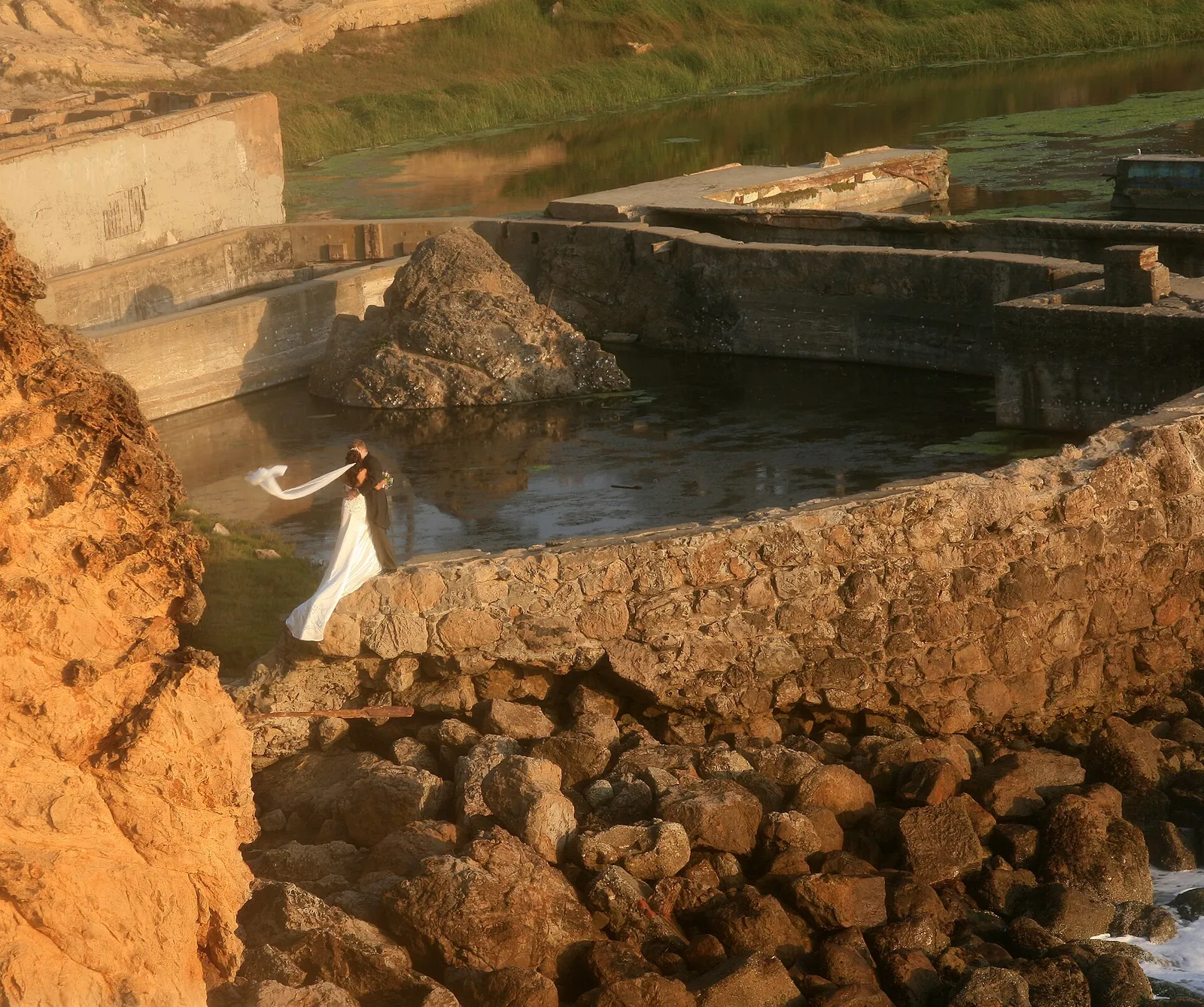
The person standing at the front of the aisle, speaking the words that make a marriage legal, is increasingly not a priest, a rabbi or a judge — but a friend who got ordained on the internet last week.
A clear trend
The wedding-planning company The Knot has tracked who officiates for years. In 2009, about 27% of couples asked a friend or family member; by 2026 that figure has reached roughly 67%, NPR reported. In other words, most American weddings are now led by an amateur.
The shift tracks a generation rethinking the day from scratch. "Gen Z culture is really infiltrating the wedding industry, and they just do not do things in a standard, traditional way," Esther Lee, The Knot's editorial director, told NPR, describing couples who scrutinize every element and ask how to make it "speak to my story." Falling rates of formal religious affiliation have loosened the default of clergy-led ceremonies, and a friend who has watched a relationship grow can speak to it with a warmth no hired stranger can match — at no cost.
Ordained in minutes
The mechanics are almost comically simple. Groups such as the Universal Life Church offer free online ordination in minutes, asking only that applicants be adults who agree to broad principles of doing right and respecting others' beliefs. The ordination is free; what varies — and what matters — is what the law requires next.
Know your state
Online ordination is recognized for marriages in most US states, but not uniformly. Virginia has historically required officiants to obtain court approval and been wary of internet credentials; Tennessee passed a 2019 law targeting online-ordained ministers that a federal court blocked from taking effect; and acceptance can vary by county in places such as Pennsylvania. Several states also require an online-ordained officiant to register with a local office before the ceremony. The only authoritative answer comes from the county clerk that will issue the marriage license — a call worth making at least a month ahead.
A first-timer's checklist
Talk to the couple first. Have one or two real conversations about tone, length, any readings or rituals, and the story of their relationship. That material is the ceremony.
Do the paperwork. The marriage license — not the speech — is what makes the union legal. Confirm with the issuing clerk that your ordination is valid there, make sure the license is signed by the couple and any required witnesses right after the ceremony, and return it within the required window. Missing that deadline can create genuine legal headaches.
Go to the rehearsal. The officiant also handles the "stage directions" — when guests sit, the pace of the processional, the cue for the rings. Practicing makes it automatic.
Keep it about them. Two elements satisfy most state laws: the declaration of intent ("Do you take…?") and the pronouncement of marriage. Everything else serves the couple, so resist turning the ceremony into a comedy set. And the moment you pronounce them married, step aside — the photo everyone wants is of the two of them, not of you.