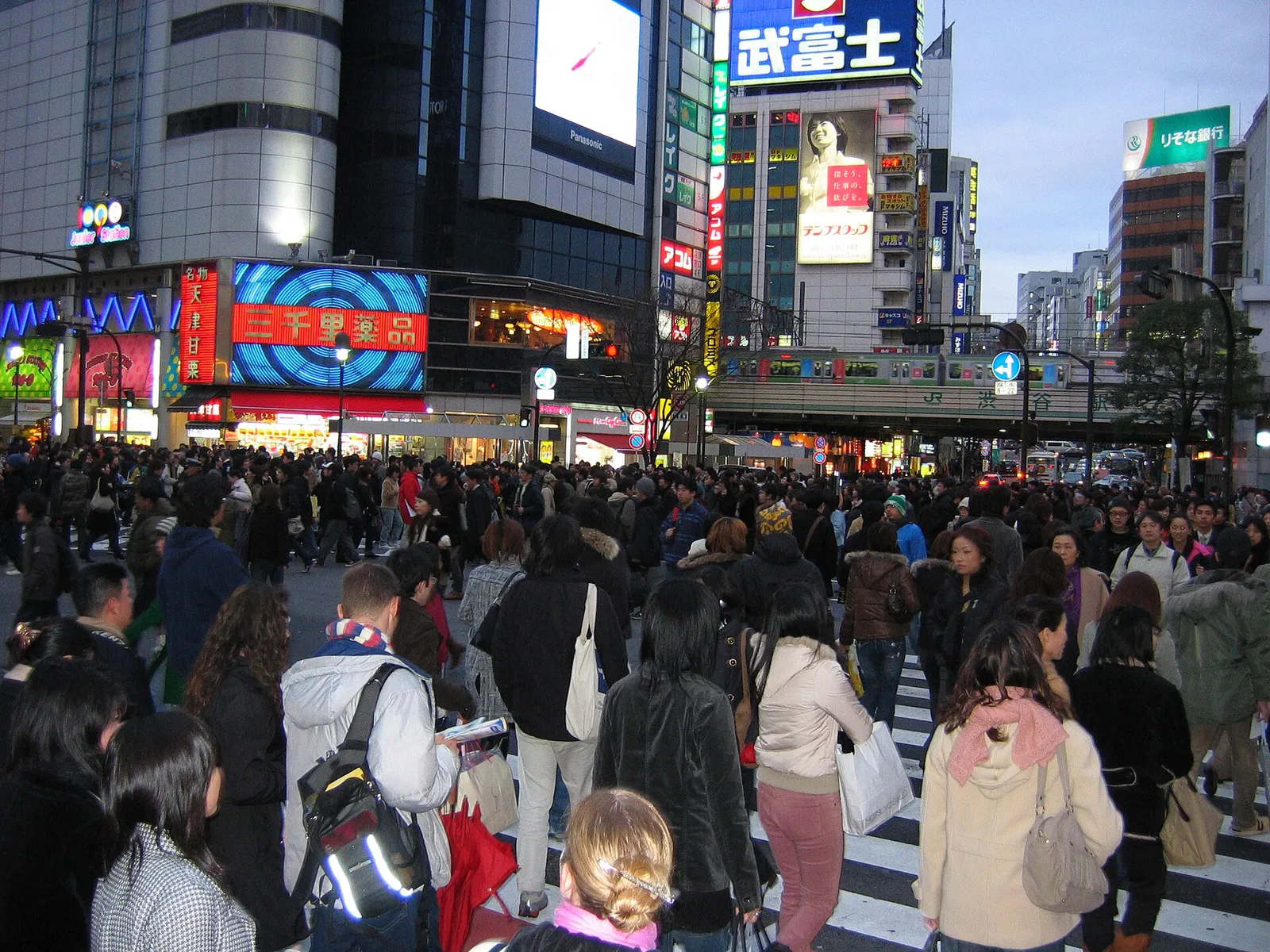
Every July 11 the United Nations marks World Population Day, a moment to take stock of humanity's numbers and what they mean. The date is not arbitrary: it echoes July 11, 1987, the "Day of Five Billion," when the world's population was estimated to have passed that mark, the UN notes. Fewer than four decades later, the world holds more than eight billion people, a figure that captures both an extraordinary expansion and, increasingly, its slowing.
A slowing rise
The world passed eight billion people in late 2022 and, by UN estimates, now stands at around 8.2 billion. But the pace of growth has been easing for years, as families in most of the world have become smaller. In its latest projections, the UN expects the global population to keep rising for several more decades, then peak in the mid-2080s at roughly 10.3 billion, before beginning to level off or decline. That is a notably lower and earlier peak than many once assumed, a sign of how much faster birth rates have fallen than expected.
Two demographic worlds
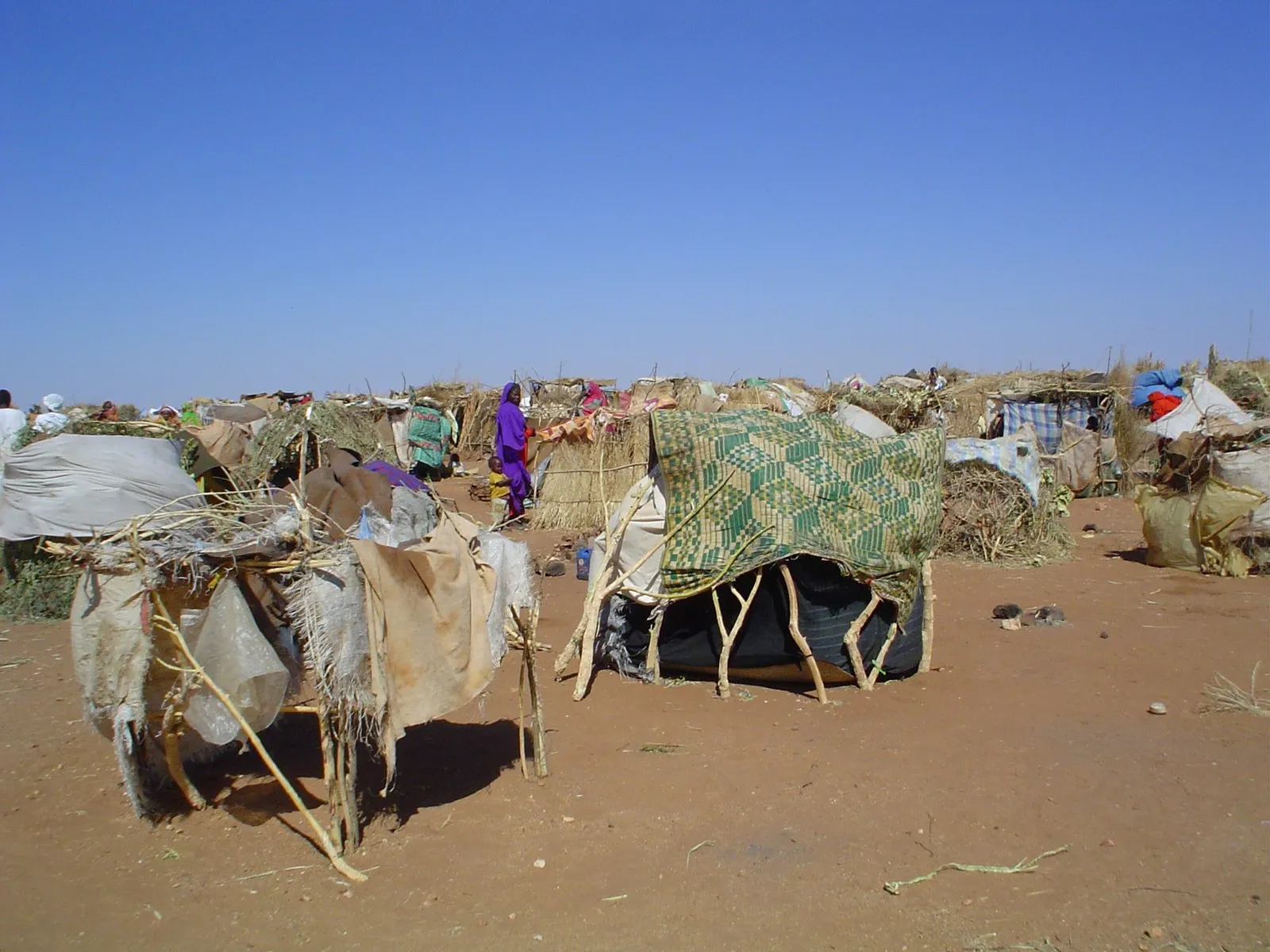
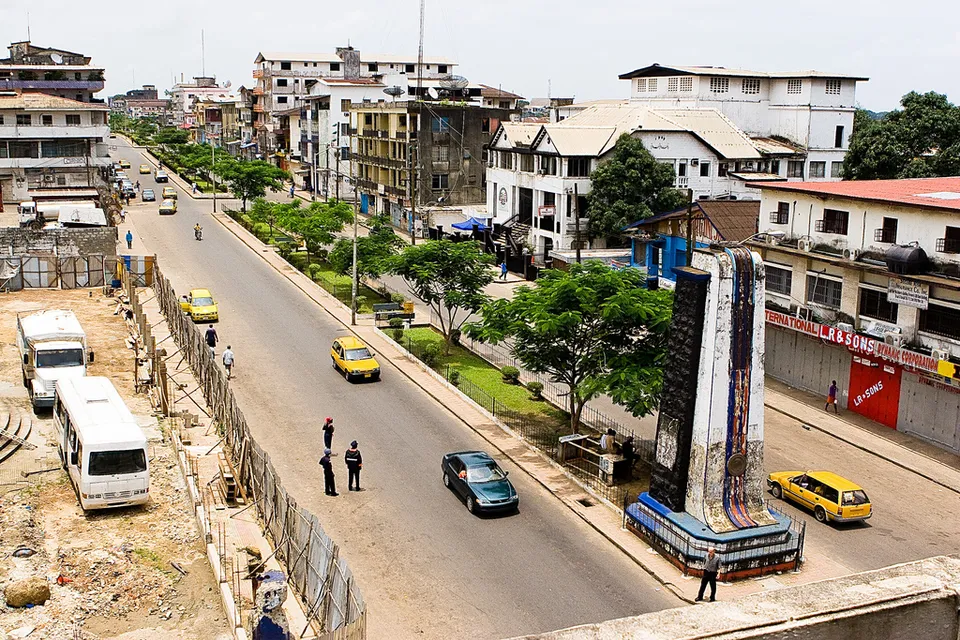
The global total hides a sharp divide. Population growth is now concentrated in a relatively small number of countries, many of them in sub-Saharan Africa, where populations remain young and families larger. Much of the rest of the world faces the opposite: birth rates below the level needed to keep a population stable, and a steady aging of society. In parts of East Asia and Europe, populations have already begun to shrink, and the share of older people is climbing. These are not competing predictions but simultaneous realities, unfolding in different places at the same time.
Why it matters
The consequences flow from that split. Countries with fast-growing, youthful populations face the urgent task of providing enough schooling, healthcare and, above all, jobs for the young people entering adulthood, a challenge that, met well, can become a powerful economic advantage. Countries with aging and shrinking populations face a different squeeze: fewer workers supporting more retirees, strain on pensions and health systems, and hard questions about immigration and productivity. Neither situation is inherently a crisis, but both demand planning, and both are difficult to reverse quickly, because the trends build over generations.
Beyond the numbers
World Population Day has, over time, shifted its emphasis from counting heads toward the rights and wellbeing of the people behind the numbers, particularly the young. The UN's framing tends to stress choice: access to education and healthcare, including reproductive healthcare, and the ability of people to decide freely whether and when to have children. On that view, the goal is not a particular global total, high or low, but a world in which demographic change is met with foresight rather than alarm. The single figure of eight-billion-plus is a useful headline. The more important story, this day suggests, is what different societies choose to do with the very different demographic futures they face.