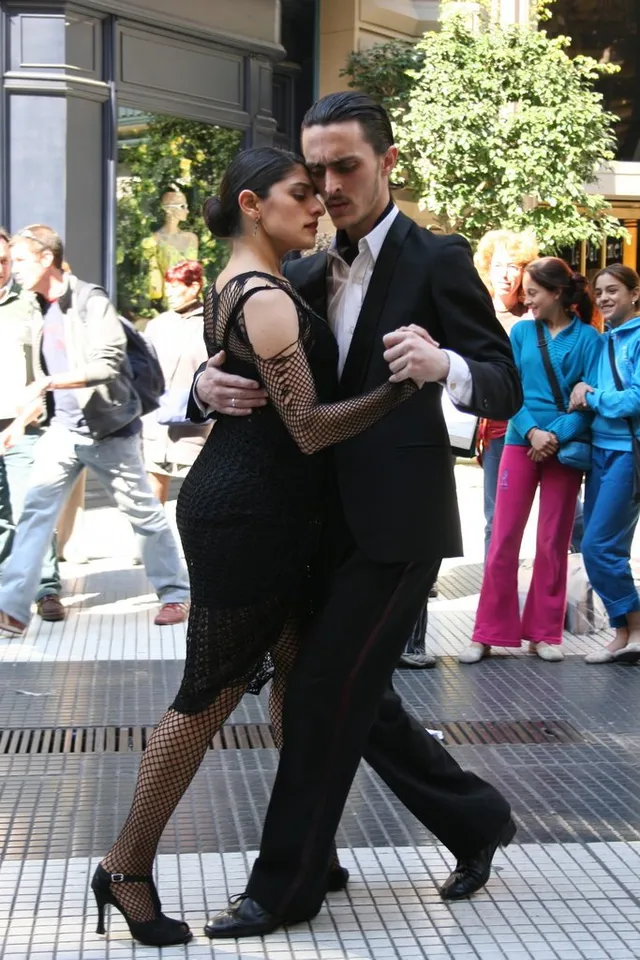
In a city better known for its mosques, ferries and bazaars, a quieter ritual unfolds after dark. On both sides of Istanbul — the European and the Asian — dancers slip into the abrazo, the close embrace at the heart of Argentine tango, and move to music born thousands of kilometers away on the banks of the Río de la Plata.
Far from tango's birthplace, Istanbul has built a close-knit and passionate community that gathers at milongas — social dance sessions — on most nights of the week, according to an Associated Press feature on the city's scene. Turkish locals, foreign residents, visiting international teachers and traveling dancers keep the floors full, supported by a spread of dance schools and studios.
A conversation without words
For those inside it, the appeal is less about spectacle than intimacy. Tango is "a conversation without words," the Istanbul instructor Gonca Çetin told the AP, describing a "unique balance between connection and freedom." Çetin, who began as a beginner before becoming a teacher, framed the community as diverse and welcoming. "It's possible for everyone to find a tango environment that suits them," she said.
That openness is structural as much as social. At a milonga, changing partners through the evening is part of the tradition, so friends and strangers share the floor — a built-in mechanism for a newcomer to be folded into the crowd. The culture extends beyond the dance itself: in a small workshop, the master shoemaker Ercan Umay handcrafts tango shoes for the dancers who glide through the city's milongas, the AP reported.
Why Istanbul
The pairing of Istanbul and tango is less improbable than it first appears. A metropolis that has spent its history as a crossroads between Europe and Asia has long absorbed and reworked imported cultural forms — and tango is not new to Turkey. The dance and its music arrived in the early years of the Turkish Republic, founded in 1923, as part of a deliberate turn toward European cultural models.
Mustafa Kemal Atatürk, the republic's founder, encouraged Western ballroom dancing as a marker of modern sophistication, and tango entered the nightclubs and dance halls of the era. A homegrown genre of Turkish-language tango followed, with the singer Seyyan Hanım widely credited with an early Turkish tango recording in the early 1930s, according to accounts collected by The National. For many Turkish listeners, tango was an early encounter with Western music — a thread today's milonga-goers, dancing to Argentine orchestras, have rejoined in a new form. (Precise dates and attributions for that early history come from secondary sources and are not independently confirmed.)
A dance that traveled the world
Istanbul's scene is one node in a global network. Argentine tango developed among the urban lower classes of Buenos Aires and Montevideo in the Río de la Plata basin in the late 19th century, fusing the customs of European immigrants, descendants of enslaved Africans and local criollos into what UNESCO calls "a distinctive cultural identity" of music, dance and poetry.
In 2009, UNESCO inscribed tango on its Representative List of the Intangible Cultural Heritage of Humanity — a joint nomination by Argentina and Uruguay that framed the genre as a shared Río de la Plata expression rather than the property of a single nation. The listing noted that tango "both embodies and encourages diversity and cultural dialogue," and reporting from the time recorded it among the first submissions approved at the committee's meeting in Abu Dhabi, France 24 reported.
That dialogue is exactly what plays out on Istanbul's floors each night: a 19th-century immigrant music from South America, carried by a 21st-century international community, danced in a city that has always lived between worlds. The embrace, it turns out, travels well.