Two powerful earthquakes that struck Venezuela's densely populated northern coast have killed at least 920 people, injured thousands and left tens of thousands more unaccounted for, according to government figures cited by the BBC and Al Jazeera. Days after the disaster, rescue crews were still pulling survivors — and bodies — from collapsed buildings.
Two quakes, seconds apart
The catastrophe unfolded in a matter of seconds on June 24. A magnitude 7.2 tremor — later classified as a foreshock — shook the coast, and roughly 39 seconds later a stronger magnitude 7.5 quake struck the same region, according to reporting compiled by CNN and the United States Geological Survey. The near-simultaneous blows gave residents almost no time to flee before the second, more violent shock brought down structures already weakened by the first.
The U.S. Geological Survey's rapid-assessment modeling, which estimates likely casualties from a quake's size and the population exposed to it, indicated the human toll could climb far higher as the full scale of the damage becomes clear. Officials have cautioned that the confirmed count remains provisional.
La Guaira and Caracas bear the brunt
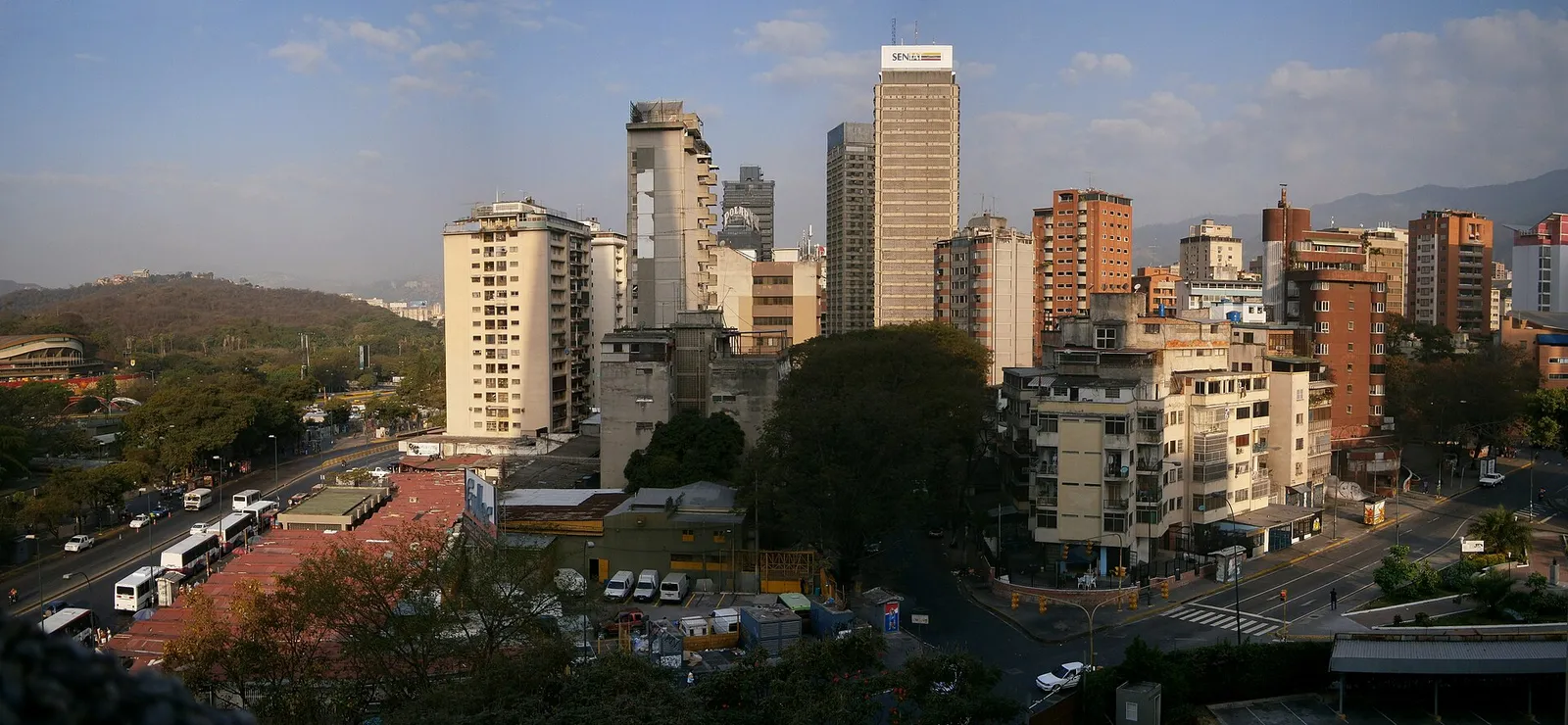
The coastal state of La Guaira, wedged between the capital and the Caribbean, suffered some of the heaviest destruction, with entire buildings reduced to rubble. The capital, Caracas, also sustained significant damage. Seismic engineers have long warned that the city is especially vulnerable to a major quake, the result of dense, informal construction and years of limited investment in resilient infrastructure.
Interior Minister Diosdado Cabello announced restricted access to the worst-hit zones, citing the danger posed by unstable structures and the need to keep routes clear for emergency vehicles, Al Jazeera reported.
Communities dig with their hands
In many neighborhoods, ordinary residents became the first responders, clawing through debris by hand while waiting for heavy machinery to arrive. Jennifer Palacios, a 25-year-old whose young son and other relatives were buried, told Al Jazeera that neighbors had driven much of the rescue effort themselves. "It's the community that has managed to get people out alive," she said, pleading for cranes to lift the concrete slabs trapping survivors.
The search has been complicated by Venezuela's strained communications and services. Authorities temporarily lifted a block on the social media platform X to let families post photographs and coordinate the hunt for missing relatives, according to Al Jazeera. More than 50,000 people have been registered as unaccounted for, though officials expect many to be found safe.
International teams join the effort
Foreign assistance began arriving within days. Rescue convoys from Mexico, El Salvador and the Dominican Republic reached the country, and two of the most experienced urban search-and-rescue teams in the United States — from Fairfax County, Virginia, and Los Angeles County, California — were deployed to assist, The New York Times reported. Mexican President Claudia Sheinbaum said her government was sending rescuers and medical personnel.
The American deployment is notable given the long antagonism between Washington and Caracas. The decision to send teams represents a limited humanitarian gesture toward a government the United States has sanctioned, and analysts say the disaster will test a relationship that had only recently shown signs of thaw.
For families still scanning lists of the missing, those calculations are a distant concern. With aftershocks — including a magnitude 4.9 tremor felt near Maracay and Caracas — continuing to rattle weakened buildings, and hospitals struggling to treat the injured, the priority remains finding those still alive beneath the ruins before time runs out.