

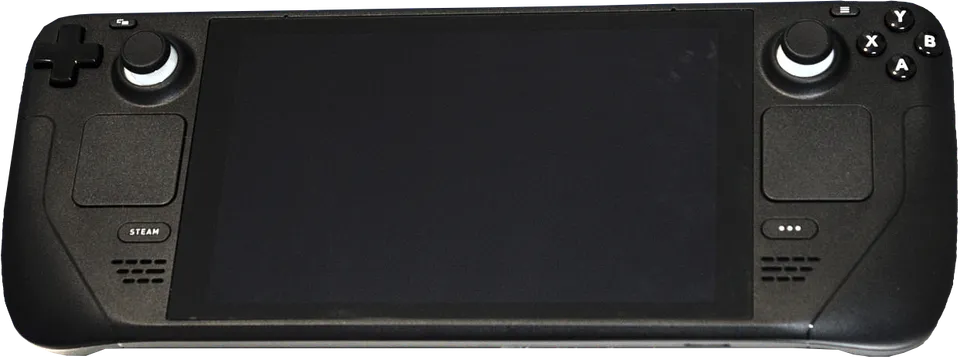
Valve has confirmed it is working with Nvidia, and expanding support for Intel graphics, to make its Linux-based SteamOS run on a wider range of hardware than the AMD chips that power the Steam Deck. The disclosure, attributed to Valve software engineer Pierre-Loup Griffais in an interview with The Verge, signals Valve's intent to position SteamOS as a more general-purpose gaming operating system rather than a handheld-only product.
What Valve has confirmed
SteamOS, the Arch Linux-based operating system Valve ships on the Steam Deck, has until recently been tuned tightly around AMD's integrated graphics. According to reporting by PCWorld, Griffais said Nvidia driver support is something "we're working on in the background," and cautioned that even an initial SteamOS Nvidia driver may not arrive by the end of 2026.
The framing matters: this is a confirmed collaboration and a stated direction, not a shipping feature with a firm release date. Valve has not committed to a specific launch window for broad Nvidia compatibility.
The AMD baseline and Intel progress
The Steam Deck and SteamOS were built around AMD's combined CPU-and-graphics design, which let Valve optimize a single, predictable hardware target. Extending the operating system to other vendors means supporting different graphics drivers — the software layer that lets the system and games talk to a GPU.
Intel support is the furthest along. Recent SteamOS updates have extended coverage to Intel's Arc graphics, and Valve's beta builds have added the Intel-powered MSI Claw handheld to the list of supported devices. That progress reflects Intel's open-source Linux graphics drivers, which are generally easier to integrate than Nvidia's historically proprietary approach.
Why Nvidia is the hard part
Nvidia represents the largest share of desktop gaming GPUs, so credible Nvidia support is widely seen as essential if SteamOS is to compete with Windows on conventional gaming PCs. But Nvidia's drivers on Linux have long been a friction point across distributions, which helps explain Valve's cautious timeline.
The wider context is a multi-year push to grow Linux gaming. Valve's Proton compatibility layer has steadily improved the number of Windows games that run on Linux, and SteamOS has become the most visible consumer face of that effort. Reporting from Tom's Hardware ties the GPU work to Valve's broader goal of making SteamOS more widely installable on third-party and self-built machines, with some coverage noting interest in dual-boot setups alongside Windows.
What it means
For now, the practical takeaway is measured. Intel graphics support in SteamOS is advancing and already reaching real devices, while Nvidia support is confirmed as active work without a guaranteed near-term ship date. If Valve delivers reliable drivers for both vendors, SteamOS could become a genuine alternative operating system for desktop and handheld gaming PCs. If the Nvidia effort slips, as Valve itself has signalled is possible, the AMD-centric status quo will persist for the immediate future.