Global markets opened the week on edge after the United States and Iran traded fresh strikes over the weekend, the latest flare-up in a confrontation that traders fear could choke off Gulf oil supplies, CNBC reported.
A weekend escalation
The renewed exchange saw US forces strike Iranian sites and Iran launch retaliatory attacks toward American facilities in the Gulf, according to reporting by NPR and PBS. Each side blamed the other for breaking a fragile understanding reached earlier in the month, and Iran warned it could halt negotiations altogether if US strikes continued. As is typical in such fast-moving exchanges, many of the specifics — the exact targets, damage and any casualties — were claimed by one side or the other and could not be independently verified. No mass casualties had been confirmed.
Why markets watch the Gulf
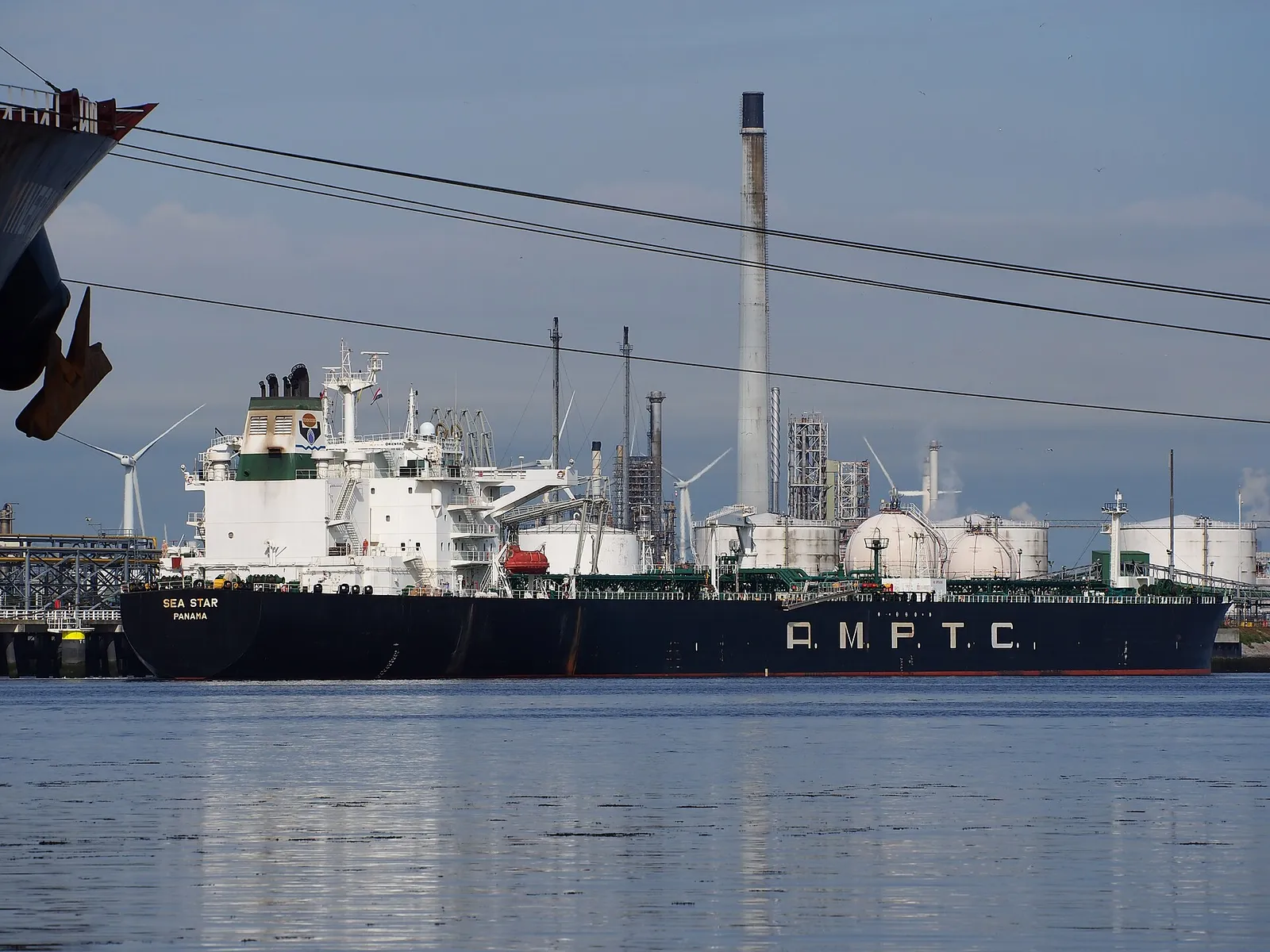
The financial reaction was driven less by the strikes themselves than by what they threaten: the Strait of Hormuz. The narrow waterway between Iran and the Arabian Peninsula is the route for roughly a fifth of the world's seaborne oil — on the order of 20 million barrels a day — along with large volumes of liquefied natural gas. Any sustained disruption there would ripple through global energy prices. Crude moved higher and equity futures slipped as traders priced in the risk, though prices have repeatedly swung in both directions through this crisis as the diplomatic picture shifts.
A strained truce
The weekend's violence put new strain on a tentative framework the two sides had reached in June to wind down hostilities and keep the strait open. Mediators have at times reported progress, but the on-again, off-again pattern of strikes has undercut confidence that either side is ready to stand down. Washington has signaled it is prepared to keep up military pressure, while Tehran has tied further talks to a halt in attacks.
The risk ahead
For now, oil traffic through the Gulf continues, but shippers, insurers and energy markets are watching closely. Analysts caution that the danger is less a single dramatic event than a gradual tightening — higher insurance costs, rerouted vessels and jittery prices — that could feed into fuel costs and inflation worldwide if the standoff drags on. This is a developing story and will be updated as events are confirmed.