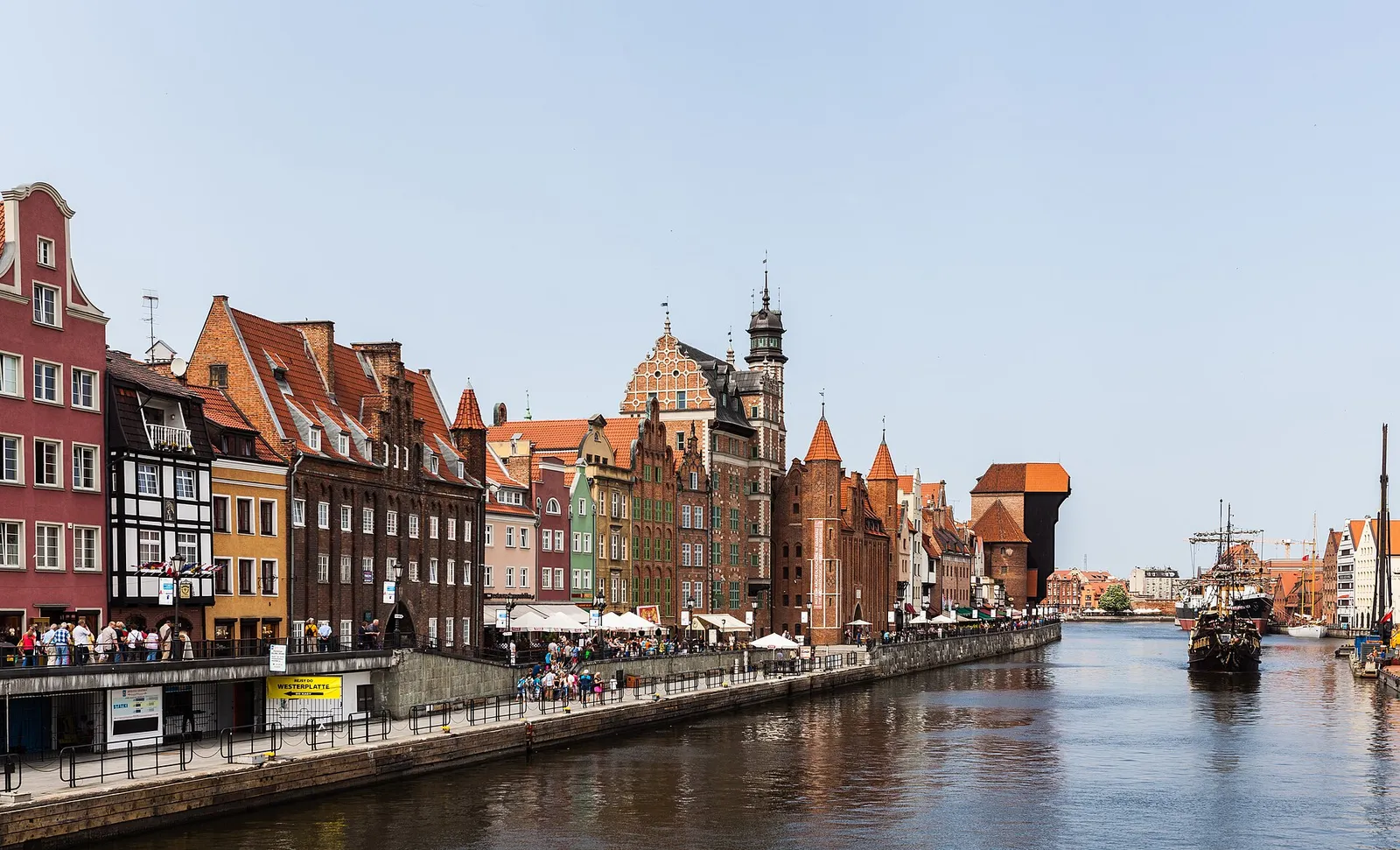
The Ukraine Recovery Conference, the biggest annual gathering devoted to rebuilding the war-battered country, opened in the Polish port city of Gdańsk on Wednesday — overshadowed by the conspicuous absence of Ukraine's president and a feud between two close wartime allies.
A large summit, a notable absence
Co-hosted by Poland and Ukraine, the two-day conference drew thousands of participants, including European leaders, EU officials, international lenders and business figures, Euronews reported. Among those attending were German Chancellor Friedrich Merz, European Commission President Ursula von der Leyen and Polish Prime Minister Donald Tusk.
President Zelensky, however, stayed away. Ukraine instead sent a senior delegation led by its prime minister, Yulia Svyrydenko, with a deliberately business-focused agenda of investment projects from Ukrainian regions and communities.
The dispute behind it
Zelensky's absence follows an escalating row with Poland rooted in the memory of World War II. After Ukraine named a military unit in a way that invoked the wartime Ukrainian nationalist movement — which Poland associates with the mass killing of Polish civilians in Volhynia in 1943–45 — Polish President Karol Nawrocki withdrew a top state honor previously given to Zelensky, Notes From Poland reported. Zelensky returned the decoration and opted not to travel to Gdańsk; Nawrocki, for his part, did not attend the conference.
Poland regards the Volhynia killings as genocide; Ukraine disputes that characterization — a historical disagreement that has periodically strained ties even as the two countries have cooperated closely since Russia's invasion. Tusk played down the feud, warning that escalation between Poles and Ukrainians serves only Moscow's interests, and said the conference would go ahead "regardless of who tries to disrupt our work."
The scale of the task
The summit's purpose is to mobilize money for a reconstruction effort of staggering size. A joint assessment by the World Bank, the European Commission, the United Nations and Ukraine's government, published earlier in 2026, estimated Ukraine's recovery and reconstruction needs at close to $588 billion over the next decade — far exceeding the country's annual economic output, with transport, energy and housing among the hardest-hit sectors.
European officials used the gathering to signal continued financial support, with the EU pointing to fresh disbursements from a large multi-year package for Ukraine, and organizers said a series of investment agreements would be signed over the two days.
A war still unresolved
The conference comes with Russia's full-scale invasion, launched in February 2022, now in its fifth year. Diplomacy around a possible ceasefire has intensified in recent months, but no settlement has been reached and fighting continues. The Gdańsk meeting thus serves a double role: raising the capital to rebuild what has been destroyed, and demonstrating that Western backing for Ukraine endures — even as the host and guest of honor air their differences in public. Whether the summit can deliver major pledges while containing the Poland–Ukraine rift will shape how it is remembered.