

A scheme designed to get Britons recycling far more of their bottles and cans is set to begin in October 2027 — and it has reopened a familiar argument about who pays.
How it works
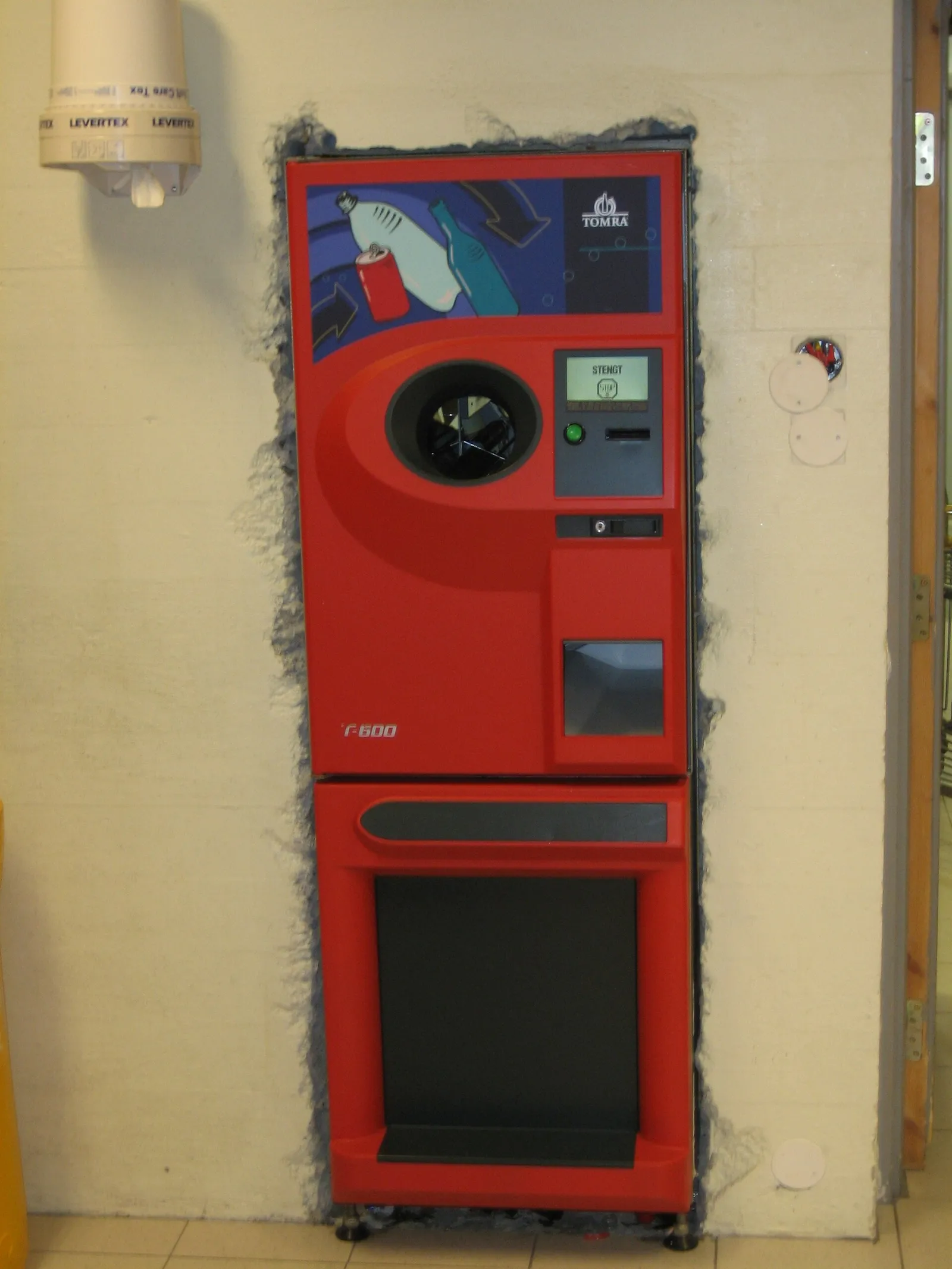
Under the deposit return scheme, shoppers will pay a refundable deposit of 20p on single-use drinks containers, The Grocer reported, getting the money back when they return the empties — to a shop, a collection point or a "reverse-vending" machine that swallows the container and issues a refund. The idea is simple: attach a small price to throwing a container away, and people return it instead.
What's covered, and where
The scheme will run across England, Scotland and Northern Ireland, according to the UK government, covering plastic bottles and aluminium and steel cans. Glass is excluded from the three-nation scheme; Wales is pursuing a separate version that does include glass bottles.
The case for it
Supporters and the government argue that deposit systems work strikingly well. In Germany, where such a scheme has operated for two decades, return rates run at around 98%, and Norway's exceeds 90%, The Grocer noted. Higher return rates mean less litter, cleaner streets and a steady supply of high-quality material for recycling — benefits the government says will outweigh the costs over time, with the bill funded by drinks producers rather than taxpayers.
The industry's worry
The drinks and retail industry is less convinced that the cost will stop at a refundable 20p. Beyond the deposit, retailers face handling fees and administrative and infrastructure costs, and industry figures have warned those could feed through to shelf prices — with the price of a drink rising by up to 50p, the drinks industry has said, as reported by the BBC. The British Retail Consortium has called the scheme "costly and complicated," questioning its timing amid existing pressure on food prices, the House of Commons Library noted. Smaller shops, in particular, worry about finding room for return machines and storing returned containers, and an earlier Scottish scheme collapsed amid disputes over costs and readiness.
The balance
The debate, in the end, is the one that surrounds many green policies: a clear environmental prize set against an upfront cost and a burden on business. Backers point to the high return rates achieved abroad as proof the model works; critics counter that the money might do more good spent on improving kerbside collection. With the launch date set for October 2027, both sides now have a deadline — and shoppers will, before long, find out how the sums add up at the till.