At least 20 schoolchildren and an adult have been killed in a bus crash in eastern Uganda, one of the country's deadliest road accidents involving pupils in recent years.
The bus, carrying children from King David Junior School near Kampala, crashed on Thursday evening as it descended a steep, winding hill in Kapchorwa District, police and local media reported. Along with the pupils, the school's founder, Tadeo Ssekade, was among the dead. More than 60 people were injured, some critically, and were taken to hospitals in Kapchorwa and the regional referral hospital in Mbale.
A familiar black spot
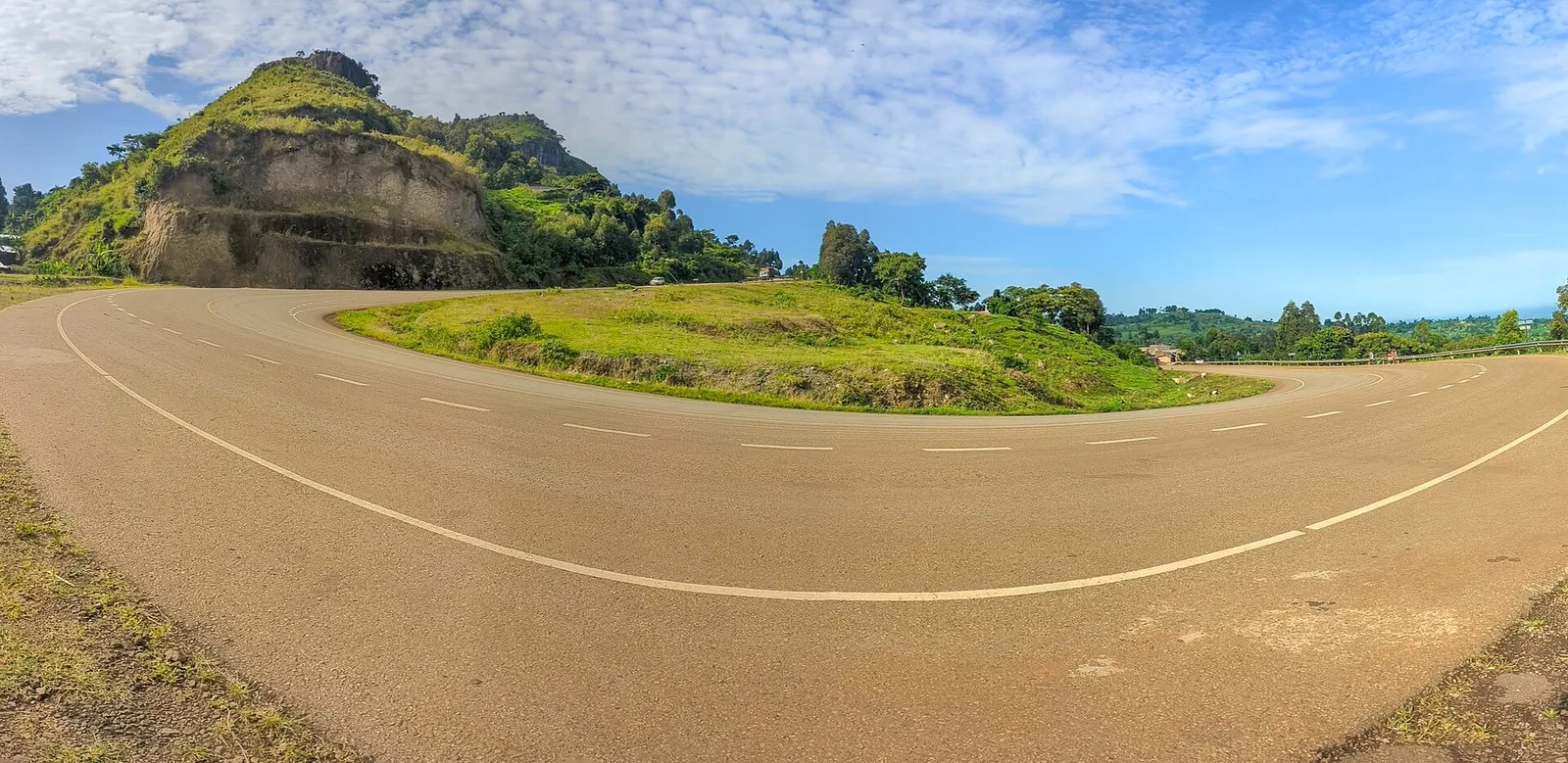
According to police, the pupils were returning from a study trip when the bus developed a mechanical fault on the descent. The driver lost control, and the vehicle ran off the road, struck a large rock and overturned. The crash happened at Chekwatit Hill, a spot long regarded as one of the most dangerous on Uganda's roads, with a history of serious accidents.
Emergency services, together with local residents, worked into the night to pull survivors from the wreckage and ferry the injured to hospital. Investigators have begun trying to establish exactly what happened, including whether the reported mechanical failure was the sole cause.
A wider toll
The tragedy has again drawn attention to Uganda's road-safety record, among the worst in the region. The country suffers thousands of road deaths each year, and crashes exact a heavy economic as well as human cost. Poorly maintained vehicles, dangerous stretches of road, speeding and overtaking are all recurring factors, and buses packed with passengers can turn a single loss of control into a mass-casualty event.
For all the statistics, it is the particular horror of this crash, a bus full of children, returning from a school outing, lost in an instant, that has stunned the country. Such accidents are, grimly, not rare in Uganda, but the scale of the loss and the ages of the victims have made this one especially wrenching.
Grief and questions
News of the crash spread quickly, and families rushed to hospitals and to the scene in search of information about their children. The school community faces the almost unimaginable task of mourning both its pupils and its founder at once.
Beyond the immediate grief, the disaster is likely to renew long-standing calls for action: for stricter enforcement of vehicle-safety and roadworthiness rules, for improvements to known accident black spots, and for better emergency response. Campaigners have argued for years that many of Uganda's road deaths are preventable, the product of failings that are understood but not fixed.
For now, though, the focus is on the victims and their families, and on caring for the many who were hurt. As the country absorbs the loss of so many young lives in a single evening, the questions about how it happened, and how such tragedies might be prevented, will follow close behind.