Days of torrential rain from Typhoon Maysak have brought deadly flooding to swaths of China, breaching a dam in the south and setting off a landslide in the northwest that buried more than a dozen people. Authorities have evacuated tens of thousands and raised the alarm to the highest level as rescuers race to reach those trapped.
A dam gives way in Guangxi
On Monday, the Liulan reservoir in Hengzhou, in the southern region of Guangxi, was overwhelmed by the storm's rains and breached, with a section of the dam collapsing and sending water downstream, the South China Morning Post reported. Officials reported at least two deaths and said tens of thousands of people, by some accounts around 48,000, were evacuated from the flood zone, with the regional emergency response raised to its top tier. Several other reservoirs in the area were also reported damaged as the rain kept falling.
A landslide buries villagers in Gansu
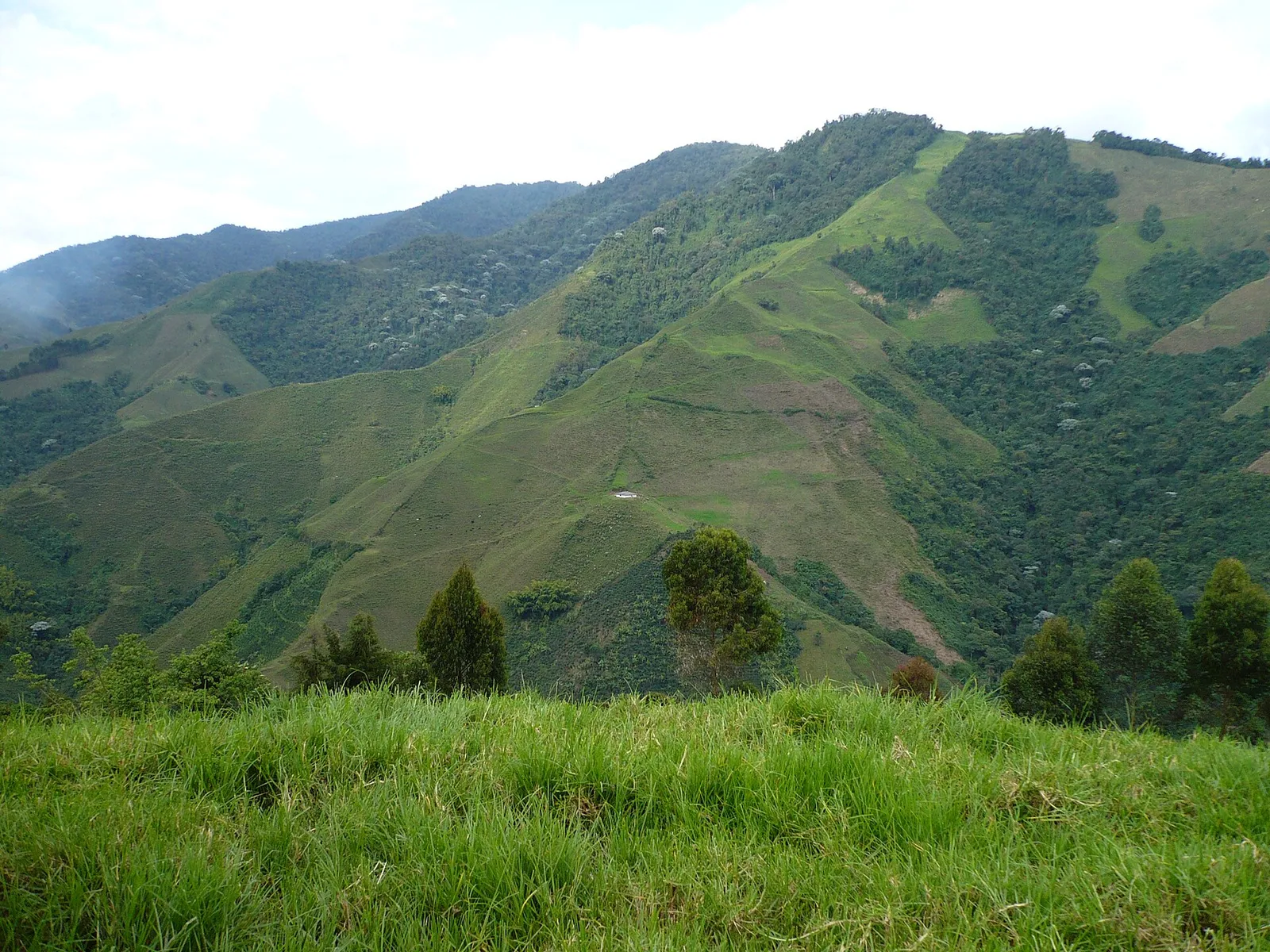
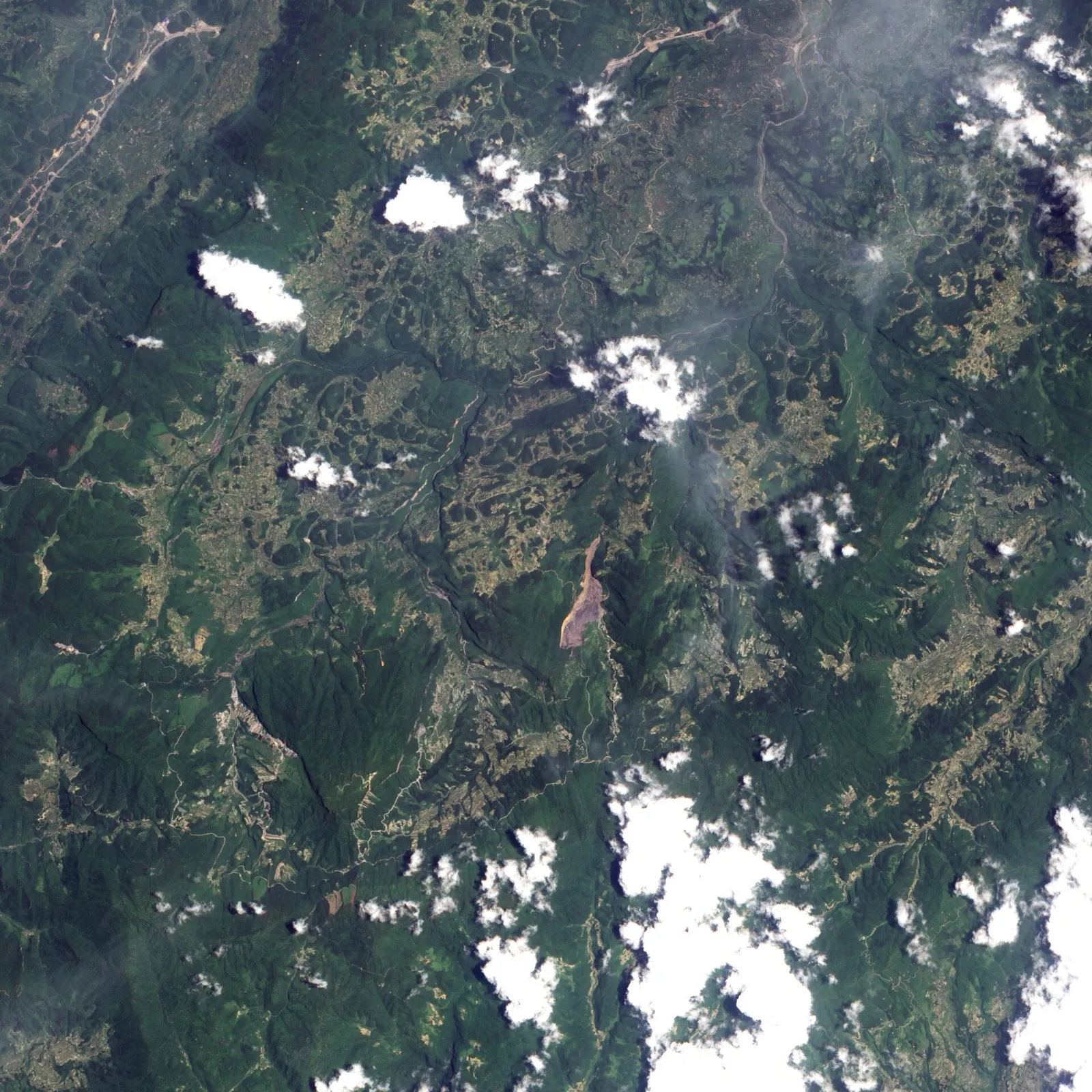
As Maysak's remnants pushed inland, the danger shifted to the mountains. Early on Tuesday, a landslide struck a township in Tanchang County, in the northwestern province of Gansu, Al Jazeera reported. State media said dozens of people were caught, with 17 pulled to safety and at least 16 still buried under the debris, according to Xinhua. President Xi Jinping ordered authorities to spare no effort in the search, and rescue teams were deployed to the remote site.
A widening emergency
The storm's reach has been wide. Maysak came ashore first on the island province of Hainan before weakening and crossing into Vietnam, then swung back over southern China, dumping heavy rain over several provinces. Severe weather elsewhere, including thunderstorms in the central province of Hubei, added to the toll, and forecasters warned that more rain threatened densely populated areas.
For now the picture is one of an unfolding disaster: a breached dam, a buried village, swollen rivers and stretched emergency services, with casualty figures described as provisional as rescuers keep working. The failures at multiple reservoirs have also drawn attention, once the immediate crisis eases, to the strain that increasingly intense rainfall places on the country's water infrastructure.