The UN Human Rights Office says the situation in Myanmar has "plummeted to a new low", in a report published on Tuesday, Al Jazeera reports. Volker Turk, the High Commissioner for Human Rights, called the findings "deeply troubling" and described "a picture of suffering, misery, and cruelty".
The office has confirmed 8,075 civilian deaths since the 2021 coup, among them 1,074 children, with 1,241 of those deaths in the past year. Open-source estimates suggest up to 15,731 civilians may have been killed, including 3,102 in the last year.
Why there are two numbers
The confirmed figure is what the office can verify to its own evidentiary standard, name by name where possible. The open-source figure is compiled from reports it cannot individually verify.
Almost double is a wide gap, and in a country where large areas are inaccessible to investigators, the confirmed number should be read as a floor rather than an estimate. We are publishing both, with what each represents, because using either alone would mislead.
The scale beyond the killing
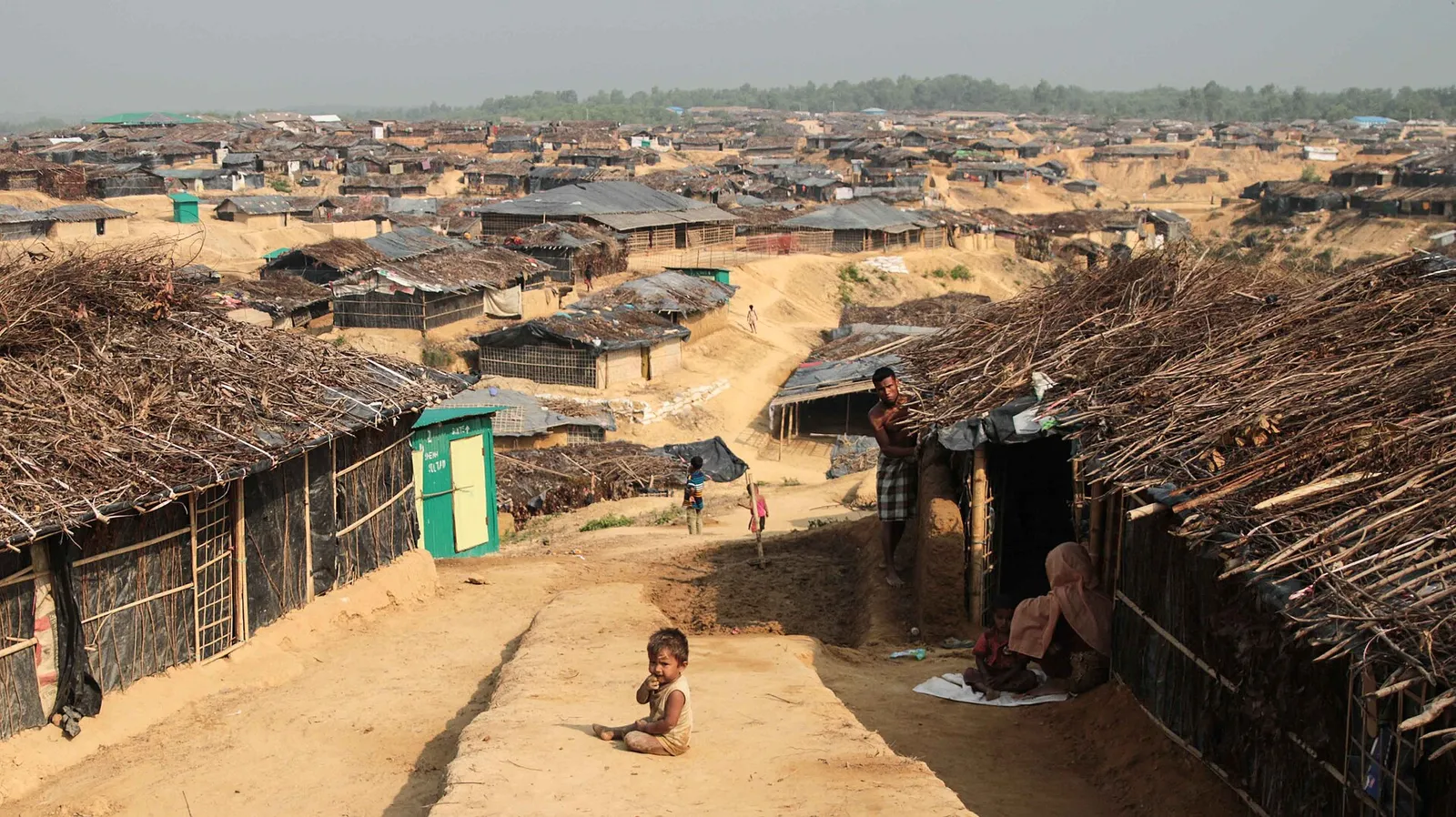
Three point six million people are internally displaced. Twelve point four million face acute hunger. Four hundred thousand young children and mothers are acutely malnourished.
The report documents air strikes, arson, displacement and denial of assistance against civilians in the fighting with ethnic armed groups. Denial of assistance is the item that connects the death toll to the hunger figures: in this kind of conflict, blocking aid is a method, and its effects are not counted as violent deaths.
Rakhine, nine years on
Systematic violations continue against the Rohingya in Rakhine State, nine years after some 700,000 fled to Bangladesh. The report attributes arbitrary arrests, torture, sexual violence, forced labour and forced recruitment to the Arakan Army.
That last point deserves attention because it complicates a familiar framing. The Arakan Army is an ethnic armed group fighting the military, not the military itself, and the report accuses it of abuses against a minority within the territory it controls.
The mines nobody discusses
Kachin State has 302 new rare-earth mining sites since 2021, an increase of 149 percent, with contamination the report links to miscarriages and pregnancy complications.
Rare earths are used in electronics and electric vehicles worldwide, which makes this the point at which a conflict most readers will never visit connects to supply chains most of them depend on.
What we could not establish
We could not establish the report's methodology, the year the Rohingya exodus began, whether Myanmar's military government has responded, or who is buying the rare earths mined in Kachin. We verified this account from a single publication, and the military government's position is absent from it.