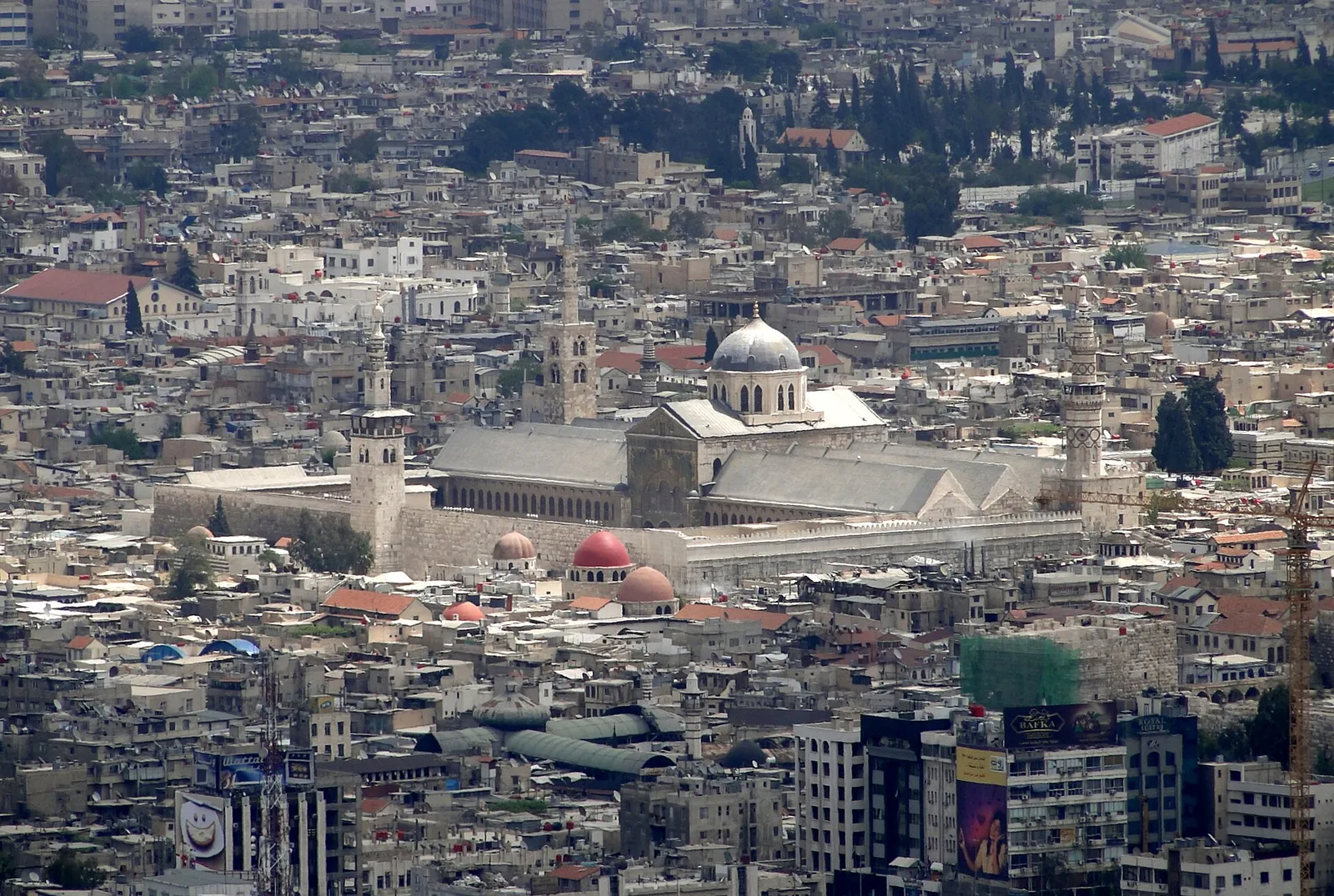
The United States was not told in advance that Israel intended to strike the Abu Duhur air base in northern Syria on Tuesday, according to Tom Barrack, the US ambassador to Turkiye and special envoy to Syria.
Barrack, in an interview on Friday, called the strikes "an unnecessary escalation" and suggested they may have been aimed at "baiting the Turks", Al Jazeera reported.
Four governments, four accounts
This story consists almost entirely of contested claims, so they are set out separately.
Israel says it acted because it feared Turkiye was about to deploy troops to the base and had ignored warnings. That is Prime Minister Benjamin Netanyahu's stated reasoning. On the question of notice, Defence Minister Israel Katz rejected the envoy's account, saying Israel had passed "intelligence information to the authorised parties in the United States" before the strike. Katz also described Barrack's comments as full of inaccuracies and at odds with President Trump's position.
Syria disputes the premise. Foreign Minister Asaad al-Shaibani said his government had made clear to Israel that there were "no plans" for a Turkish military base at Abu Duhur, and that Turkish officers had visited for "ongoing military cooperation in the areas of training and the exchange of expertise".
Turkiye called the strikes reckless and denied it was preparing any deployment.
The United States is speaking with two voices. Barrack, its own envoy, says the Turkish activity Israel cited "was not happening". President Trump has praised Israel as a "great ally".
What is actually in dispute
Two separate questions are being argued at once, and they have different answers.
The first is procedural: was Washington told? Barrack says no; Katz says intelligence went to authorised parties. Those statements are not quite contradictory. Passing intelligence to some part of the American government is not the same as giving an ambassador advance notice of a strike, and both men could be describing the same events accurately from different positions.
The second is factual: was Turkiye about to deploy troops? Here the accounts genuinely conflict. Israel says it feared so. Syria, Turkiye and the American envoy all say it was not happening. Nobody outside those governments can adjudicate that, and no evidence has been published either way.
Why an envoy's remark is the story
Public criticism of an Israeli operation by a serving American ambassador is unusual, and it is what makes this worth reporting beyond the strike itself. The Israeli defence minister's response, that the envoy contradicts his own president, is an attempt to isolate Barrack from the administration he represents rather than to answer him.
Whether the White House stands behind its envoy is the thing to watch. It has not said.
The report we read gives no casualty figures and no damage assessment, and we are not going to infer anything from their absence. We verified this account from one publication.