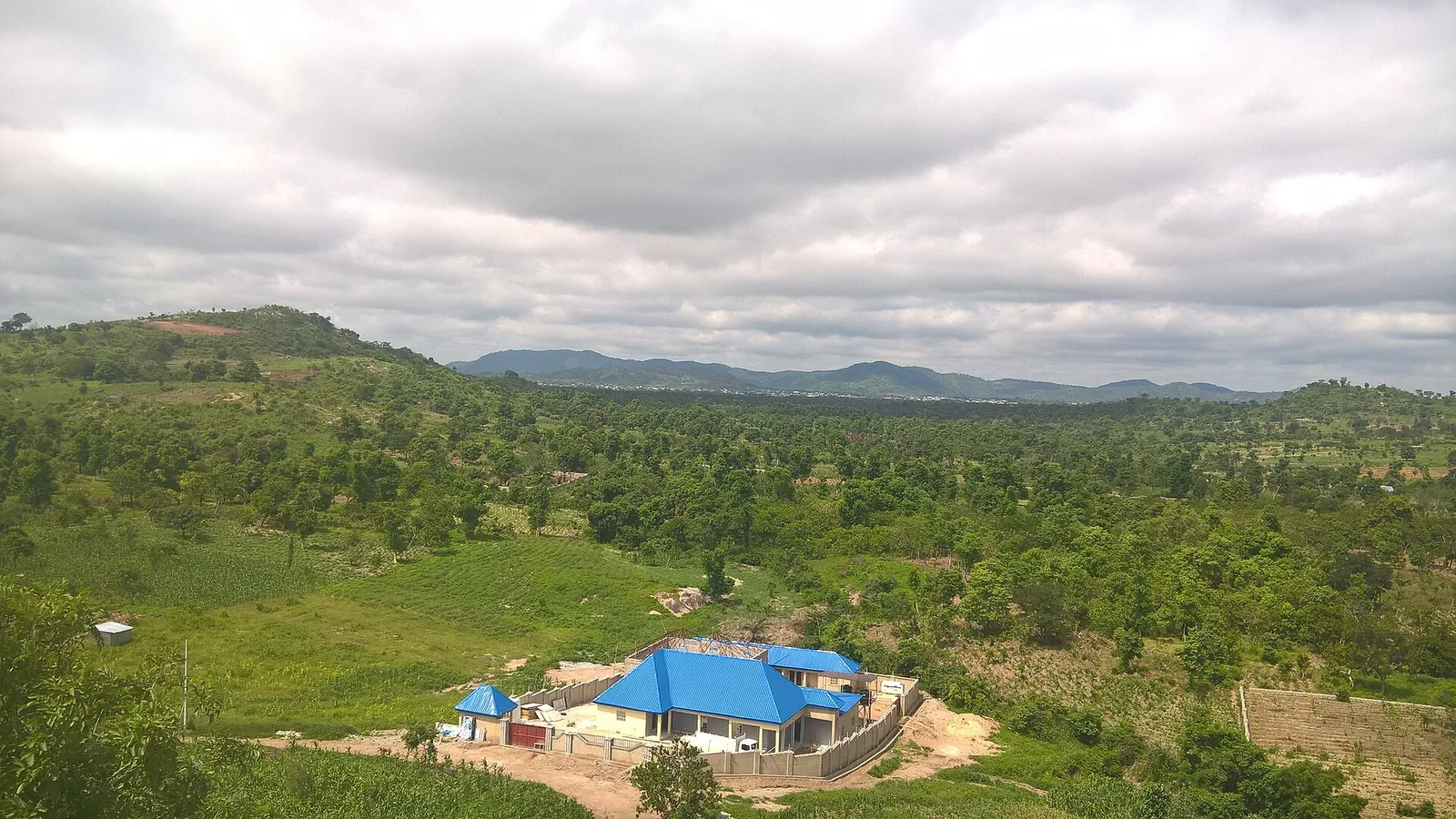
Armed men attacked the villages of Gidan-Zana and Kpenya and the Kpenya mosque, in the Dekara district of Borgu Local Government Area in Niger State, central Nigeria, at about 2pm on Friday. Residents say more than 60 worshippers were taken, according to Al Jazeera.
Police could not confirm how many were taken.
Two accounts, and the space between them
The divergence in this story is not incidental to it, so we are putting it near the top rather than burying it.
Police say there are no confirmed deaths. Residents told AFP that people were killed. That claim was not immediately confirmed. Separately, a man and his family fleeing the town the previous day were killed when their car hit a landmine.
This pattern is routine in reporting from rural Nigeria and it is not evidence that anyone is lying. Communities know within hours who is missing from a village of a few hundred people. A police command covering a large and difficult area cannot confirm anything until officers reach the place, which may take days. Both statements can be honest and only one of them can be tested quickly. We are printing both, with attribution, and no total of our own.
What survivors describe
Jibril Ahmad, who survived the attack, told of a large and heavily armed group arriving as prayers ended. He described an "armed group of Lakurawa, in their hundreds, wielding guns, knives and machetes" who "began to attack us".
Lakurawa is the name the survivor gives, and it is the name we are using. It matters that we do not reach for a broader label. Nigeria's armed groups are not a single phenomenon: criminal groups that kidnap for ransom, jihadist organizations, and local militias operate under different names, in different places, for different reasons, and conflating them produces reporting that is both wrong and useful to nobody.
Another armed group, the Mahmuda, is reported to have clashed with the kidnappers, allowing some of those seized to escape. Abdullahi Ahmad, a resident, said the group returned "as a bargaining chip in advance of expected troop deployment". Jafaru Mohammed, a federal lawmaker, is also named in the report.
A situation in which one armed group's intervention is what freed some of the captives from another is its own description of the security position in the area.
The response
Wasiu Abiodun, a police spokesperson, said a "joint security detachment has been deployed to the area for assessment and rescue operations".
Assessment comes first in that sentence, which is the honest sequence. Before anyone can be rescued the authorities have to establish how many people are missing, and as of the report we read they had not.
No ransom demand has been reported.
What to expect from the figures
The number will move. In abductions of this kind the count usually rises as families report relatives missing and falls as people who fled into the bush return on their own. Neither direction of movement means the earlier figure was fabricated.
We were able to verify this account from one publication, which itself draws on AFP reporting for part of it. We do not have the names of the missing, a confirmed death toll, or any independent assessment of what happened.