
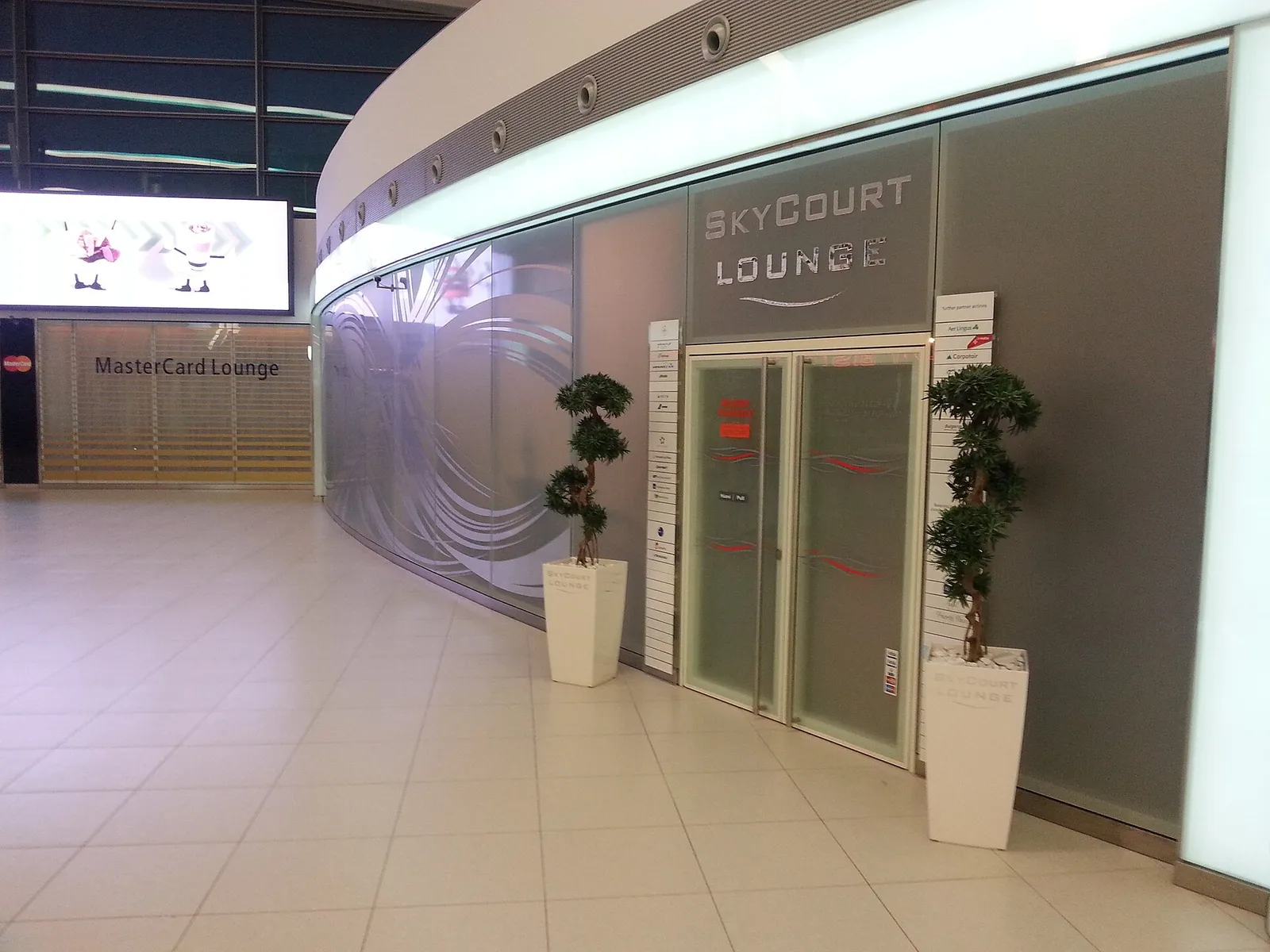
The battle between America's premium credit cards has long been fought in airport lounges, where American Express and Chase try to outdo each other with better food, nicer chairs and shorter lines. Increasingly, that competition is leaving the terminal behind, CNBC reported. The two companies are now building exclusive spaces and experiences at music festivals, sports arenas and restaurants — extending the idea of the members-only lounge into everyday life.
From the gate to the grandstand
The examples span a growing range of settings. Cardholders have been offered air-conditioned retreats at desert music festivals, special access at major sporting events, and branded lounges inside stadiums and arenas. American Express, according to the reporting, has partnerships with more than 20 venues worldwide and lounges at several of them, including well-known sites in the United States and Britain, with more planned.
Chase, the newer challenger in the premium space, has been expanding aggressively too, opening its own airport lounges in a string of US cities while pushing into events such as film festivals with dedicated spaces and programming for its top-tier cardholders. The common thread is a shift in what a high-end card is meant to buy: not just travel perks, but entry to a curated world of experiences that non-members cannot access.
Owning the whole night out
Dining has become a central front. Both companies have moved to embed themselves in how their customers eat out, not merely by offering discounts but by acquiring the platforms people use to discover and book restaurants. Chase bought The Infatuation, a restaurant-recommendation service, while American Express owns the reservations platform Resy, Fortune reported. That gives each a foothold in the decisions cardholders make about where to spend, and a way to reserve prime tables or exclusive dining events for members.
The strategy is to make the card feel indispensable across a whole evening or weekend — the reservation, the meal, the concert, the lounge — rather than only when flying.
Why they are spending so much
The logic behind the lavish spending is straightforward. Premium cards charge high annual fees and appeal to affluent customers who spend a lot and are lucrative to banks and networks. Winning and keeping those customers is worth a great deal, and experiences that money alone cannot easily buy — a table at a booked-out restaurant, a lounge at a sold-out festival — are a powerful lure, and hard for rivals to copy quickly.
There is also a defensive element. As more cards offer lounge access and travel perks, those benefits become less distinctive. Pushing into festivals, stadiums and dining is a way to stand out again, and to bind customers more tightly by weaving the card into more of their lives.
The trade-offs
For cardholders who can take advantage, the perks are real and often genuinely enjoyable. But the arms race has a cost, borne partly by customers through steadily rising annual fees, and it raises a broader question about a two-tier consumer world — one in which access to good tables, comfortable spaces and marquee events increasingly runs through a particular card in your wallet.
There is also the risk, familiar in loyalty programs, that popularity undermines the product: a lounge or an event that becomes too crowded stops feeling exclusive, prompting yet more spending to create the next, more selective tier.
The bigger picture
The expansion reflects a broader ambition among card companies to become curators of lifestyle, not just processors of payments — shaping where their best customers go and what they do, and capturing more of their spending along the way. For now, the beneficiaries are the affluent members who get the invitations. For everyone else, the trend is a reminder of how much of modern premium consumption is organized around membership — and how hard these companies are working to make sure the membership that matters is theirs.