For the third World Cup in a row, Germany have gone out early — and this time the exit has cost the manager his job. The four-time champions were beaten by Paraguay in the round of 32, losing 4-3 on penalties after the match could not be settled in normal time, and in the aftermath their head coach, Julian Nagelsmann, is departing, ESPN reported.
Another early exit
The result continues a run that has become a source of national soul-searching in German football. After bowing out in the group stage at both the 2018 and 2022 World Cups, Germany reached the first knockout round in 2026 only to fall at that hurdle, undone by the fine margins of a shootout. For a country used to going deep in tournaments, three successive early departures mark an unmistakable slump.
Nagelsmann, a young and highly regarded coach who took charge in 2023, could not reverse the trend. The German football association (DFB) confirmed his exit, thanking him for his work since taking the role. His departure leaves the national team searching for direction once again, at a time when it had hoped to be rebuilding toward home-soil success in future tournaments.
The Klopp question
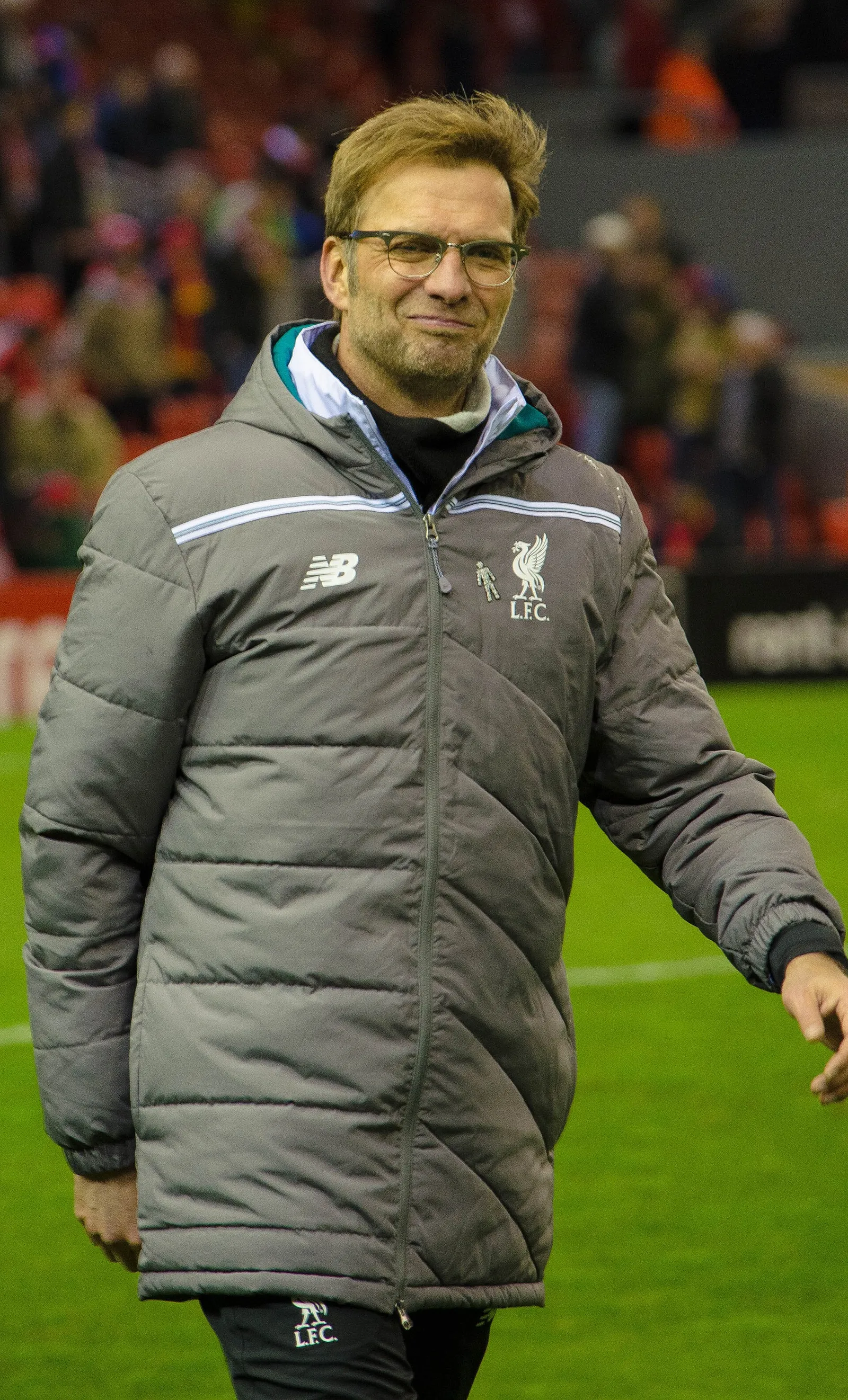
Attention has immediately turned to who comes next, and one name dominates: Jürgen Klopp. The DFB indicated it would seek talks with the former Liverpool manager, one of the most successful and popular German coaches of his generation, and said he had signaled a general openness to the idea.
Klopp himself was more circumspect. Asked about the possibility, he said it was "not the right moment to talk about it," and pointed to his current job in football operations at the Red Bull group, which he described as not a part-time role. In other words, the association is pursuing him, but nothing is agreed — and Klopp has not committed. It is a courtship, not a done deal, and it may not end the way German fans hope.
Why it matters
For German football, the stakes go beyond a single tournament. The national team is one of the sport's traditional powers, and repeated early exits have prompted hard questions about talent development, tactics and identity. Appointing a new manager — especially a figure of Klopp's stature — would be framed as a reset, an attempt to restore both results and belief.
The appeal of Klopp is obvious: a proven winner with an infectious, high-energy style and a track record of galvanizing teams and supporters alike. But his reluctance underscores that even the most natural fit is not guaranteed, and the DFB may have to weigh alternatives if he declines.
What comes next
For now, Germany face an uncertain interlude: out of the World Cup, without a permanent manager, and waiting on the answer of the coach they want most. The coming days and weeks will bring clarity on whether Klopp can be persuaded or whether the search widens.
Paraguay, meanwhile, march on, having pulled off one of the tournament's notable results. For Germany, the task is more familiar and more painful — to work out, once again, how a football superpower keeps stumbling at the same early stage, and who is best placed to fix it.