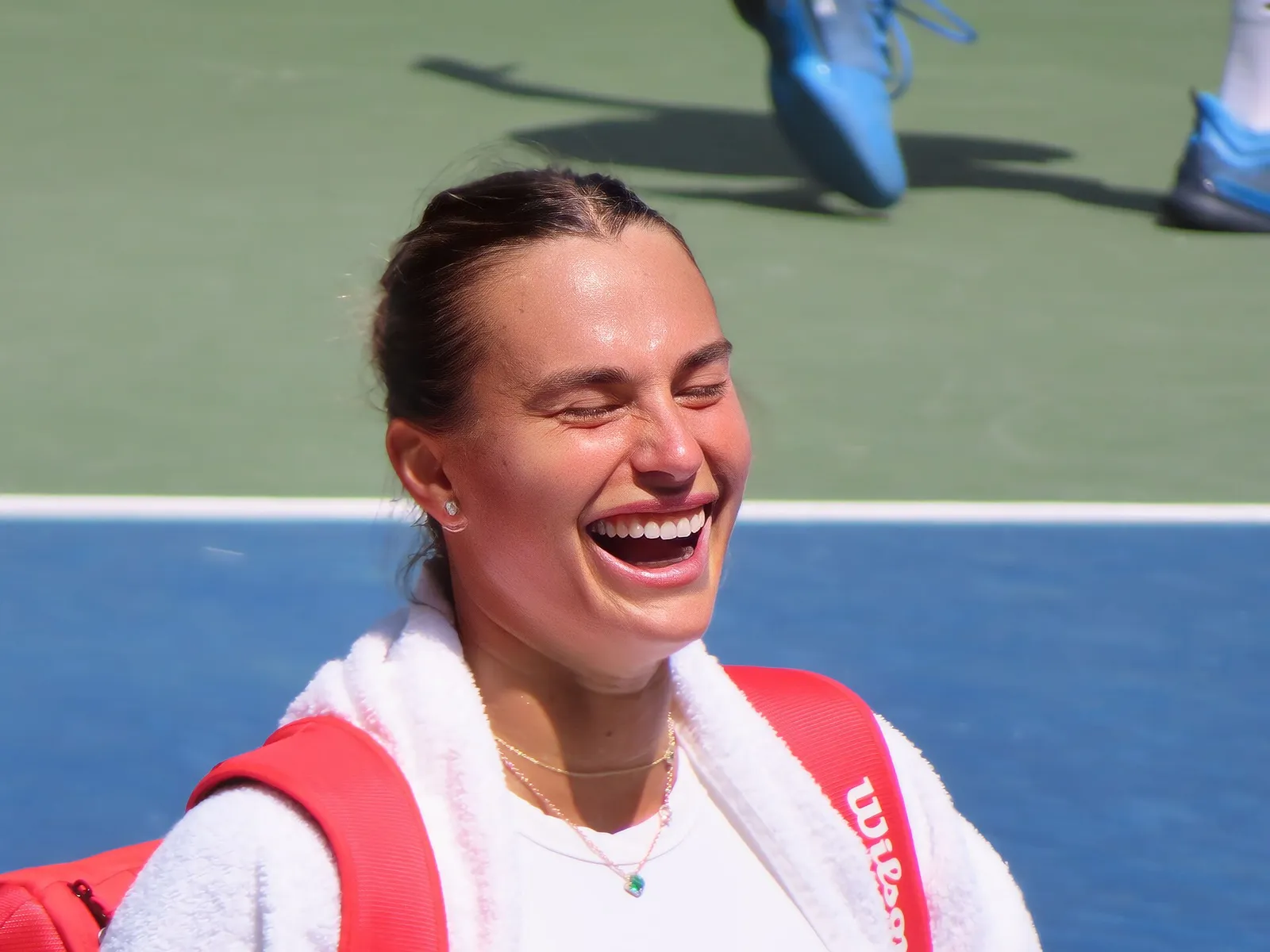
On paper, a third-round meeting between the top seed and an unseeded opponent might read as routine. In practice, few players on the women's tour are as capable of dismantling a favourite on a fast surface as Jelena Ostapenko — which made Aryna Sabalenka's 6-4, 6-4 win at Wimbledon on July 3 one of the more meaningful examinations of her fortnight so far, the WTA Tour reported.
A dangerous opponent, handled
Ostapenko, a former Grand Slam champion, plays a high-risk, high-reward game built on flat, early-struck groundstrokes that can overwhelm anyone when they land. The margins in such a match are thin: on a good day she can blow the best players off the court, on a worse one the errors pile up.
This time the balance tipped decisively toward Sabalenka. The Latvian made 18 unforced errors to Sabalenka's six, as the Cyprus Mail noted, and Sabalenka was the steadier and more clinical player where it counted. She served strongly, striking nine aces to Ostapenko's four and winning the clear majority of points behind her first delivery, and took her chances to break at the right moments in each set. The straight-sets scoreline flattered neither the danger Ostapenko posed nor the control Sabalenka ultimately exerted.
What it says about her game
For Sabalenka, the value of the win lay as much in the manner as the result. Grass rewards aggression but punishes the loose error, and holding her own count of mistakes to six against an opponent who thrives on trading blows is the kind of discipline that separates a contender from a champion at this tournament. Reaching the second week without dropping a set keeps her firmly among the favourites.
She has spent recent seasons establishing herself at the top of the women's game, and matches like this — surviving a genuine threat without drama — are how top seeds preserve energy and momentum for the sterner tests that lie ahead in the draw.
A blockbuster next
The reward is a fourth-round tie that needs little selling. Sabalenka will face Naomi Osaka, the four-time Grand Slam champion whose career has run through injury, motherhood and a long road back toward the sport's summit. The two have met repeatedly of late, but never on grass — a surface that suits big serving and flat power, and could reshape a familiar rivalry.
It is the sort of match that would not look out of place far deeper in a Grand Slam, arriving instead in the last 16, and it underlines how loaded the women's draw has become. For the neutral, it is a gift; for Sabalenka, another obstacle between her and a title she has yet to win at the All England Club.
The bigger picture
Wimbledon has a habit of producing these early collisions between elite names, and this fortnight is proving no exception. Sabalenka has negotiated her half of the draw with the authority expected of the world number one, but the road does not get easier. Beating Ostapenko was a test passed; Osaka, on grass, will be a different question entirely — and the answer will say a good deal about how far Sabalenka can go.