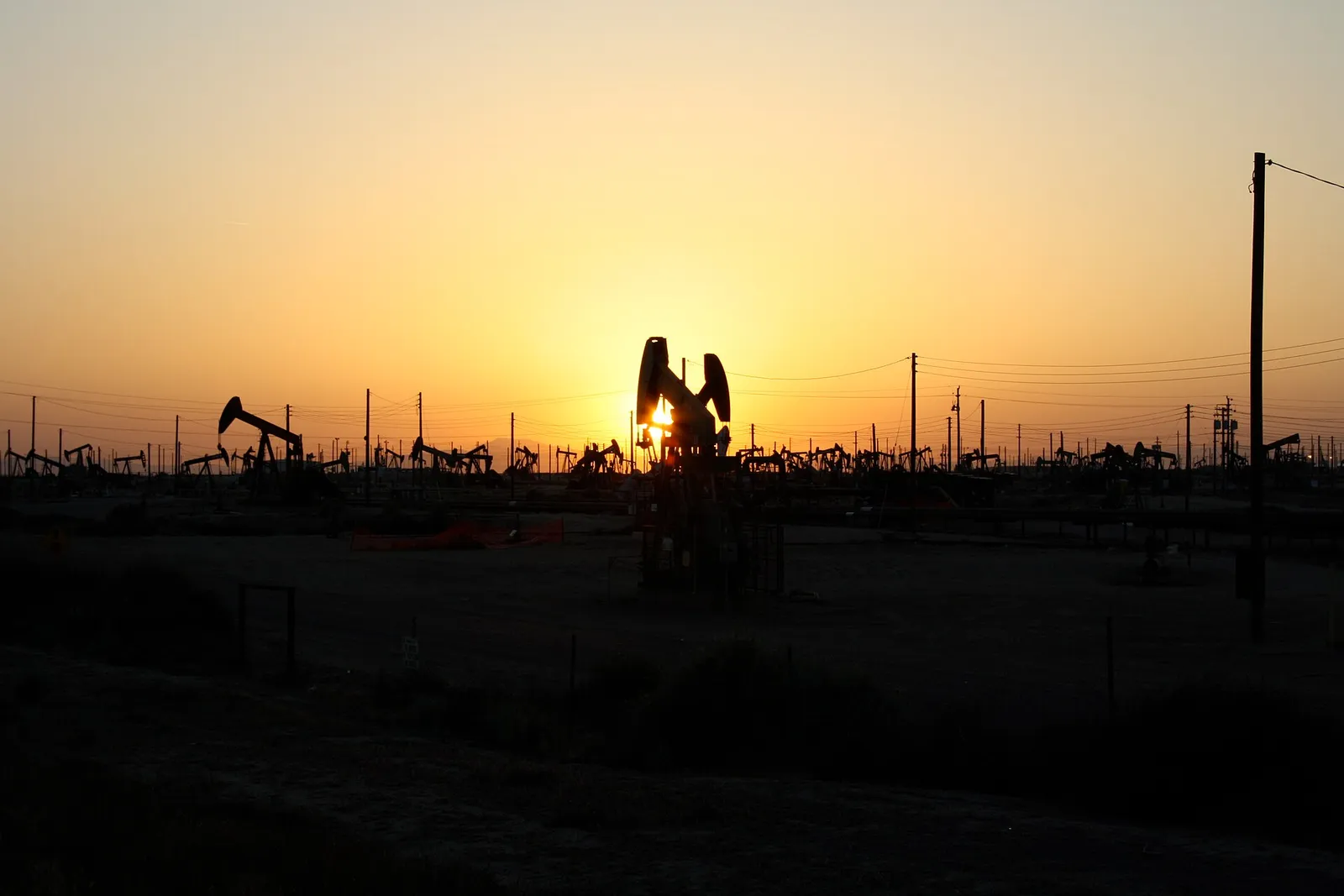
Oil prices edged up slightly as trading wound down ahead of the long US Independence Day weekend, with easing geopolitical tensions and a softer dollar providing gentle support, CNBC reported. The moves were small — the kind of quiet drift typical of a market heading into a holiday — but they reflected a set of crosscurrents that will outlast the weekend.
A calmer geopolitical picture
Much of oil's recent direction has been shaped by tension in the Middle East, where conflict earlier in the year had put a "risk premium" into prices — traders' insurance against the possibility that fighting could disrupt supply. As diplomatic efforts to keep the peace have held, some of that premium has come out of the market, easing the upward pressure on crude.
That dynamic cuts both ways. When the threat of supply disruption fades, prices tend to soften, because the market worries less about barrels being knocked offline. The modest gains heading into the weekend suggest traders see the situation as broadly stable for now, even as they remain alert to any renewed flare-up.
A weaker dollar and a watchful Fed
Working in the other direction is the US dollar, which has weakened recently. Because oil is priced in dollars globally, a softer greenback tends to support crude by making it cheaper for buyers holding other currencies — a quiet tailwind beneath the day's move.
The dollar's slide is tied in part to the outlook for US interest rates. Softer-than-expected jobs data has led investors to pare back expectations for how far the Federal Reserve will tighten policy, according to reporting on the week's markets. Lower expected rates can weigh on the dollar, indirectly helping oil — though they can also signal a cooling economy, which would eventually dampen demand for fuel. It is a balance the market will keep weighing in the weeks ahead.
Thin holiday trading
The immediate context is simply the calendar. With US markets closed for the Fourth of July holiday, trading volumes thin out, and thin markets tend to produce smaller, choppier moves as many participants step away. Big directional bets are less likely to be placed into a long weekend, which helps explain the muted price action.
That lull is temporary. When full trading resumes, oil will again take its cues from the familiar drivers: the state of the global economy and demand for fuel, decisions by major producers about how much to pump, the strength of the dollar, and above all the geopolitical situation that has done so much to move prices this year.
Why it matters
Oil sits at the center of the global economy, feeding into the cost of transport, manufacturing and, ultimately, the price of many goods. Its direction therefore matters well beyond energy markets — including for central banks, since cheaper oil can ease inflation and give policymakers more room to maneuver.
For now, the picture is one of relative calm: a market nudged gently higher by a weaker dollar, held in check by receding geopolitical risk, and quieted by a holiday. None of those forces is fixed, and any of them could reassert itself quickly. But heading into the US long weekend, oil's message was a steadying one — a pause, rather than a turn.