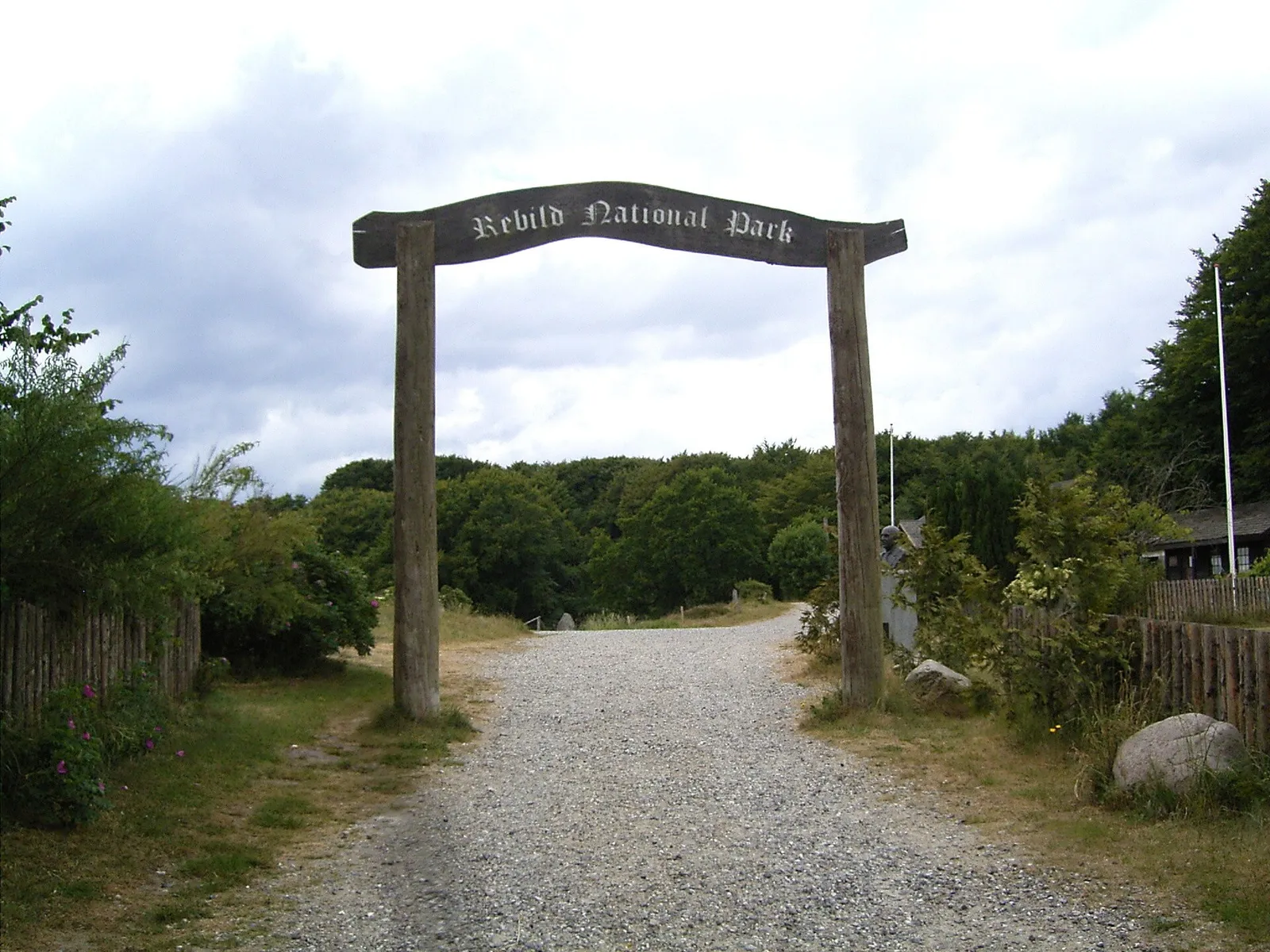
In a country that is not American, on a day that is quintessentially so, tens of thousands of people gather each Fourth of July in a wooded valley in Jutland to celebrate the United States. The Rebild Festival, held in the hills of northern Denmark, has marked American Independence Day for more than a century as a symbol of the friendship between the two nations. This year, that friendship is under visible strain — and organizers say American officials are not on the guest list.
A century-old tradition
The festival dates to 1912, when Danish-American emigrants bought the land and began an annual celebration of the bond between their old and new homelands, the Copenhagen Post reported. Over the decades it grew into the largest Fourth of July event held anywhere outside the United States, drawing large crowds and, traditionally, American dignitaries and greetings from US presidents. It has long been a warm, unremarkable fixture of Danish-American relations.
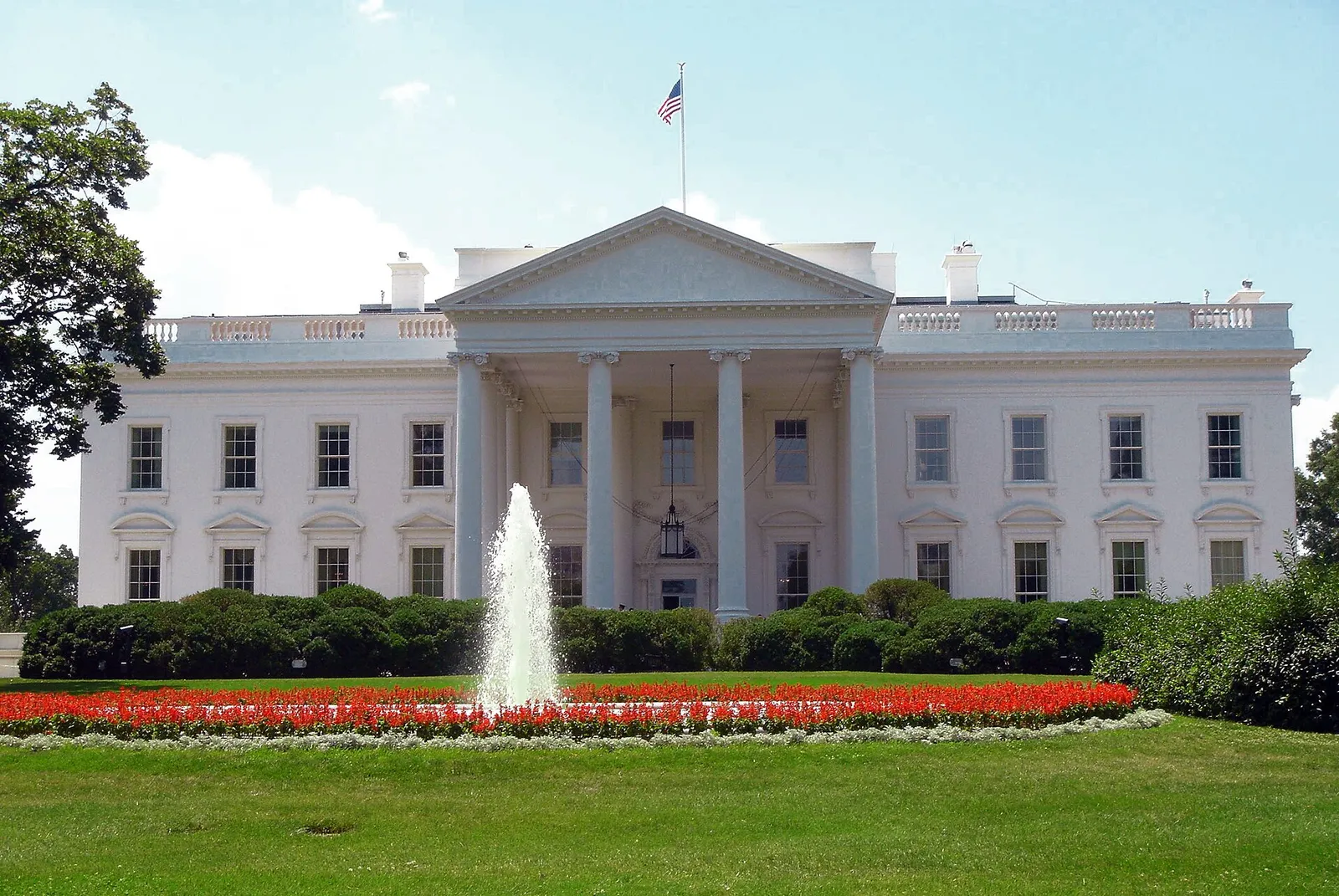
What makes this year notable is who will not be there. For a second year running, organizers and local officials say US embassy and military representatives have not been invited, Alabama Public Radio reported. Local authorities that help fund the event have tied their support to that exclusion, with a regional mayor quoted as saying that Denmark still wishes to honor its friendship with the American people, but will not endorse the current US administration's stance toward Denmark.
The Greenland rift
The strain traces directly to Greenland, the vast Arctic island that is an autonomous territory within the Kingdom of Denmark. President Trump has repeatedly voiced a desire for the United States to acquire Greenland — for its strategic location and resources — and, earlier this year, pressed the point hard, including with the threat of tariffs on Denmark and pointed refusals to rule out other forms of pressure.
Copenhagen rejected the idea firmly, and the episode became a defining test for Denmark's government, which cast the sovereignty of the kingdom as non-negotiable. Trump later stepped back from the sharpest threats, signaling he would not use economic or military coercion to take the island. But by then the dispute had left a mark on public opinion in Denmark, where surveys have registered a cooling of attitudes toward the United States.
Greenland's own leaders, meanwhile, have been unequivocal that the territory is not for sale and that its future is for Greenlanders to decide — a stance that has, at least for now, drawn the island and Denmark closer even as Greenland continues its longer-run conversation about eventual independence.
Friendship and its limits
The organizers' framing has been careful. Their message, in essence, is that the festival remains a celebration of the ties between the Danish and American peoples — of shared history, migration and culture — rather than an endorsement of any particular government in Washington. In that telling, keeping officials away is not a rejection of the friendship the day commemorates, but a way of protecting it from a political dispute.
Still, the symbolism is hard to miss. An event built to showcase the closeness of two allies is taking place with one ally's representatives pointedly absent, on the very holiday that honors that country's founding. It is a small, vivid illustration of how a disagreement between governments can seep into even the most goodwill-laden traditions.
Why it matters
Beyond the bunting, the Rebild story is a marker of a broader unease among some traditional US allies in Europe, several of which have found themselves recalculating a relationship they long took for granted. Denmark, a NATO member and a close partner of Washington, is not an obvious candidate for friction with the United States — which is part of what makes the moment striking.
None of this ends a friendship with deep roots. Danish-American ties are older than the festival itself, and both governments have reasons to keep them strong. But for one Fourth of July, in a Danish valley set aside to celebrate America, the empty seats reserved for American officials will speak to a rougher patch in an old alliance — and to how far a dispute over a distant island has traveled.