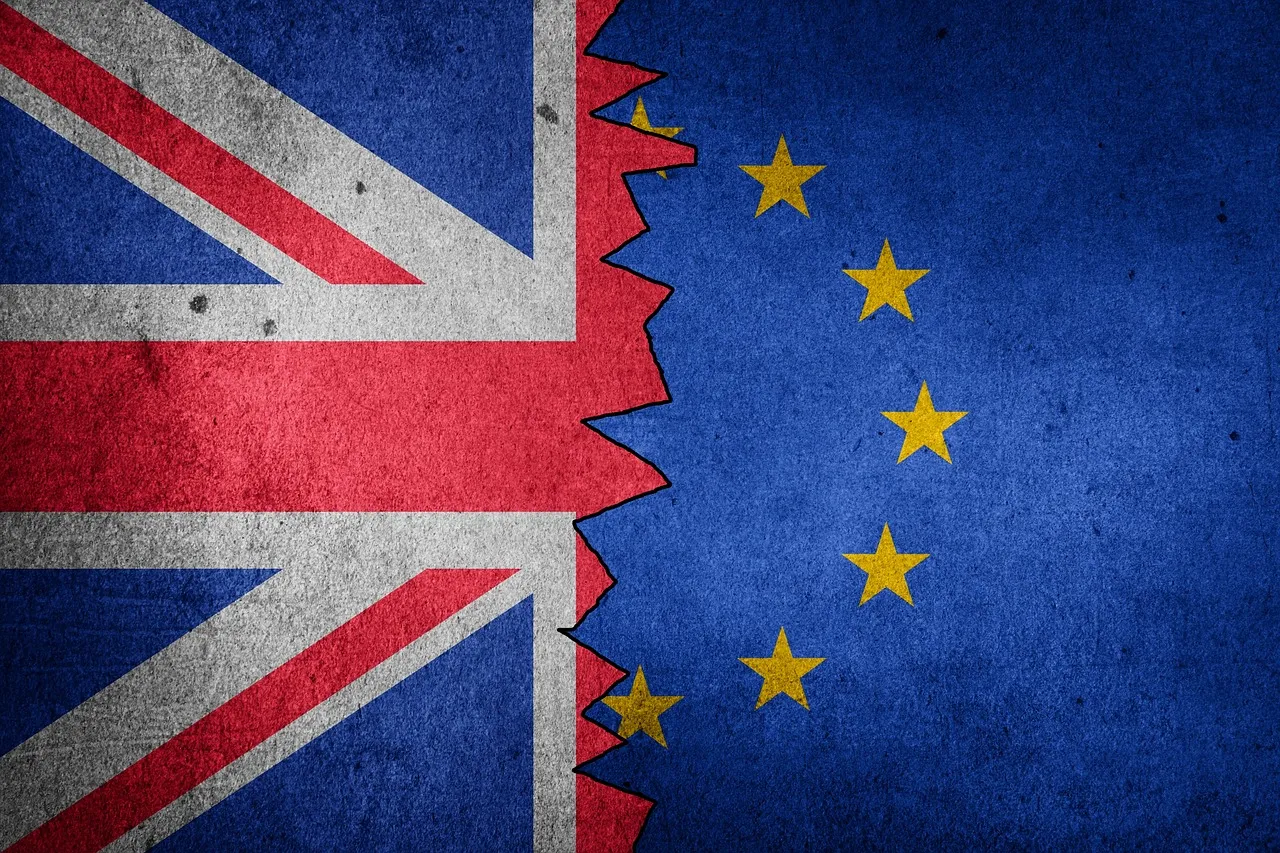
Ten years ago today, on 23 June 2016, the United Kingdom held a referendum on whether to remain in or leave the European Union. The result reshaped British politics and the country's place in Europe, and its consequences are still being debated as the anniversary arrives during a period of acute domestic turbulence.
What was decided
Voters were asked a single question: should the UK remain a member of the EU or leave it. The Leave side won by 51.9 percent to 48.1 percent, with 17,410,742 votes to leave against 16,141,241 to remain. Turnout was 72.2 percent, among the highest in a UK-wide vote in decades, according to the House of Commons Library and the Electoral Commission.
The vote was advisory rather than legally binding, but successive governments treated it as a mandate to leave. The result also exposed deep divisions: England and Wales voted to leave, while Scotland and Northern Ireland voted to remain.
What has happened since
The path out proved long and contentious. After years of negotiation and two changes of prime minister, the UK formally left the EU on 31 January 2020. A transition period, during which the UK stayed in the single market and customs union, ran until 31 December 2020.
The future relationship was set out in the EU–UK Trade and Cooperation Agreement, which entered into force in 2021. It provides tariff-free, quota-free trade in goods but introduced new customs and regulatory checks, and offers only limited access for services.
The economic debate
The economic effects remain disputed, and most figures are estimates rather than settled facts. The independent Office for Budget Responsibility has assumed since 2016 that leaving will reduce the UK's long-run productivity by about 4 percent, and trade intensity — the share of exports and imports in GDP — by about 15 percent, with the full effect taking around 15 years. In a 2024 review, the OBR judged its trade assumption to be broadly on track, while cautioning that isolating Brexit from the pandemic and energy shocks is difficult.
Supporters of leaving point to other measures: the UK regained the ability to set its own regulations, signed new trade agreements, and left the Common Fisheries Policy. On immigration, a central campaign theme, the picture is mixed — EU free movement ended, but overall net migration later rose to record levels under a new points-based system, driven by non-EU arrivals.
Where opinion stands
Public sentiment has shifted markedly. YouGov polling around the tenth anniversary found a majority now think leaving was the wrong decision, and most describe Brexit as more of a failure than a success — though a large share of 2016 Leave voters still say they made the right choice. Surveys also suggest many would consider rejoining in a hypothetical new referendum, while pollsters caution that abstract support for rejoining does not translate into appetite for reopening the question.
Leave advocates argue the verdict on sovereignty — the right of the UK Parliament to make its own laws — cannot be captured in GDP figures, and that benefits will accrue over the longer term. Remain-leaning analysts counter that the promised economic dividends have not materialised and that new trade barriers have weighed on growth.
A turbulent anniversary
The milestone lands at a volatile moment. Prime Minister Keir Starmer announced his resignation on 22 June 2026, setting up what would be Britain's seventh leader in a decade. Under Starmer, the UK and EU agreed a "reset" at a 2025 summit, easing some food and farm checks and building closer security cooperation.
Ten years on, the referendum's central question — what kind of relationship Britain wants with its largest trading partner — remains unresolved.