Ten Australians have filed a complaint with the United Nations Human Rights Committee, arguing that the federal government violates their human rights by continuing to approve and support coal and gas projects largely destined for export.
The complaint, known as the "Hard Truths" case, was lodged on June 22, 2026, and is being run by Earthjustice, Environmental Justice Australia and the Human Rights Law Centre on behalf of the claimants.
Who is bringing the case
The ten claimants come from across Australia and include Traditional Owners, a firefighter, teachers, students and disability advocates. Among them are four Indigenous advocates: Rikki Dank, Latisha Francis, Professor Anne Poelina and Pam Francis, according to the National Indigenous Times.
The claimants say they have each been harmed by extreme events including bushfires, heatwaves, floods, sea-level rise and algal blooms, which they attribute in part to emissions from Australian coal and gas. "Australia continues to play a significant role in the climate crisis through the coal and gas it exports," said Rikki Dank, a Traditional Owner among the claimants, in a statement released by the legal teams.
What they are claiming
The complaint asks the UN Human Rights Committee to find that it is unlawful for Australia to keep approving coal and gas projects for export without a plan to protect citizens from dangerous climate change. The claimants argue that government support for fossil-fuel extraction drives climate harm that breaches their rights to life, to family and home, and First Nations rights to culture.
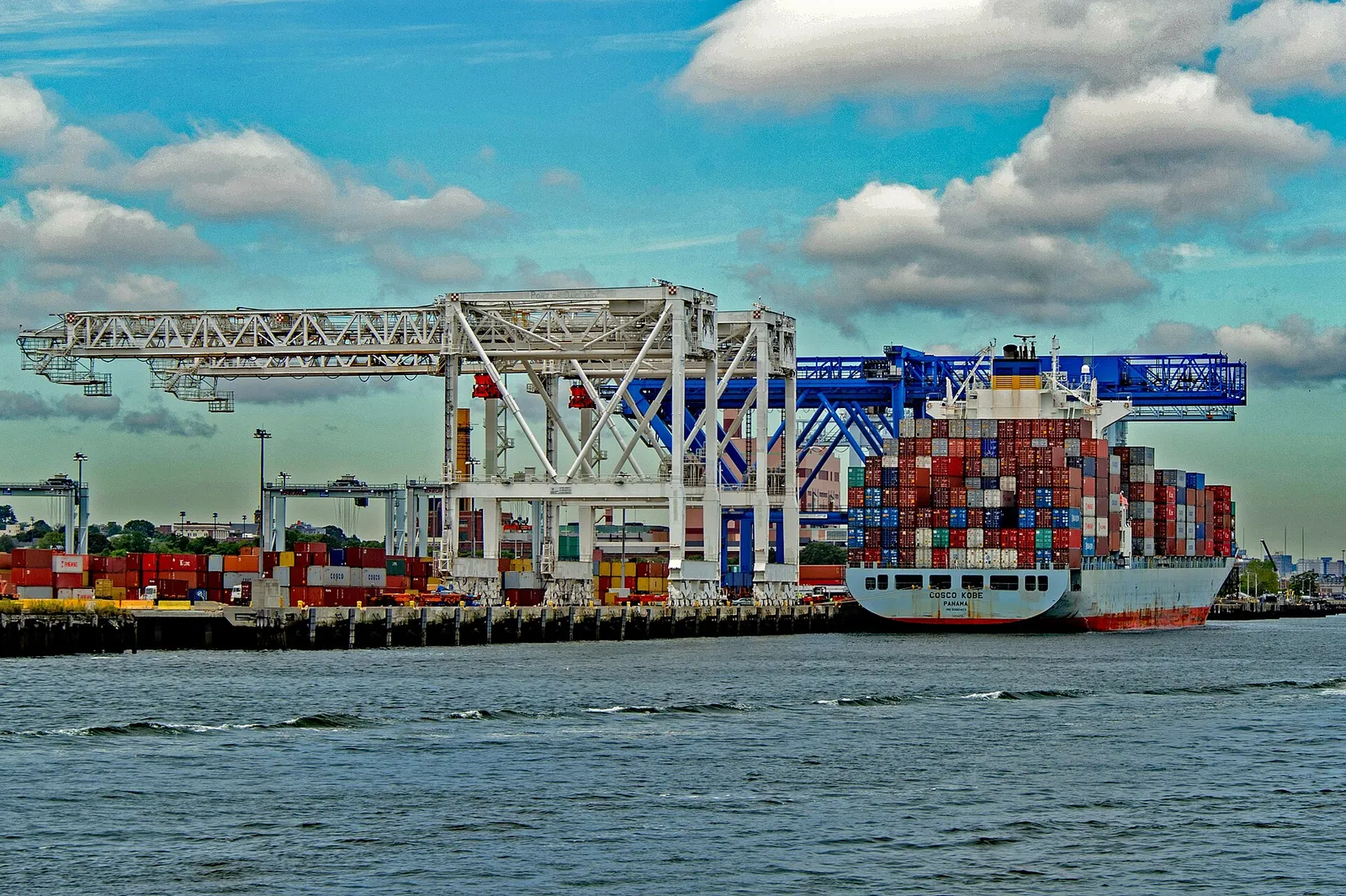
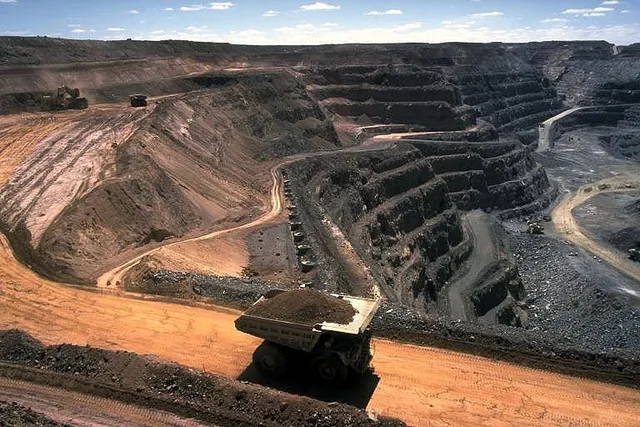
Much of the case rests on exports. Around 80 percent of the coal and gas produced in Australia is burned overseas, The Conversation reports, and the country is among the world's largest fossil-fuel exporters. Those exports are excluded from Australia's domestic climate targets — a gap the claimants say lets the government understate its contribution to global emissions.
The lawyers frame the filing as the first international climate complaint against a country since the International Court of Justice affirmed in 2025 that governments have a legal obligation to prevent significant harm to the climate.
The government's position
Australia's federal and state governments have continued to approve, and in some cases subsidise, new coal and gas projects, most of them for export, according to The Conversation. The government had not issued a detailed public response to the specific complaint at the time of writing, and newsparlor could not independently confirm an official rebuttal.
Successive Australian governments have argued that Asian energy demand would be met by other suppliers if Australia withdrew, and that exported fuel is counted in the emissions accounts of the countries that burn it under international rules. Canberra has also pointed to its domestic emissions-reduction commitments as evidence of climate action.
What a ruling would mean
The UN Human Rights Committee's findings are not legally binding. A finding against Australia would not compel a change in export policy, but could increase scrutiny and shape future climate litigation. The committee has ruled against Australia on climate before: in 2022 it found the country had violated the rights of a group of Torres Strait Islanders through inadequate climate action. The new case differs in targeting exports specifically. The committee is expected to seek a response from the Australian government before reaching any decision — a process that typically takes years.