


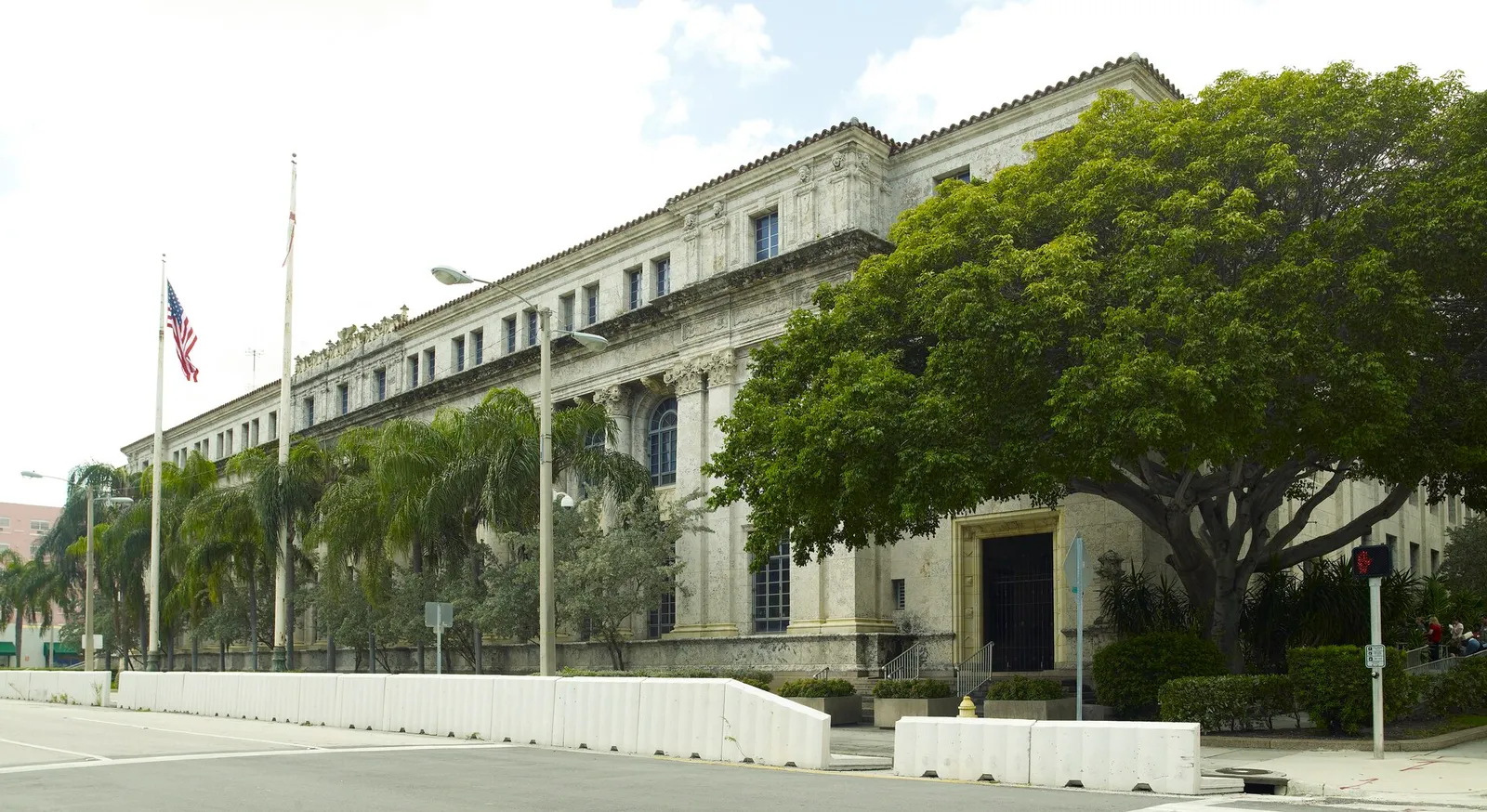
Andrew and Tristan Tate were arrested in Miami on Saturday by the US Marshals Service for the Southern District of Florida, acting on an extradition request from the United Kingdom, CBS News Miami reported.
The arrest is an extradition matter rather than a prosecution in the United States. No US charges have been announced. The question before a federal court in Miami will be whether the brothers can be surrendered to Britain, not whether they are guilty of anything.
The charges in England
The Crown Prosecution Service authorized 21 charges against the two men in May 2025, covering allegations of rape, actual bodily harm and human trafficking. Further charges have since been laid, which is what preceded this week's arrest.
CBS News Miami reports the current allegations as follows. Andrew Tate, 39, faces seven counts of rape, three counts of arranging or facilitating travel for sexual exploitation, three counts of assault occasioning actual bodily harm, and 19 charges relating to indecent images of children and extreme pornography. Tristan Tate, 38, faces two counts of rape, one of sexual assault and three of arranging or facilitating travel for sexual exploitation. The alleged offenses are said to span July 2010 to August 2017.
Different outlets have published different totals as the case has expanded, and the count reported here should be treated as the position as of Saturday rather than a settled figure.
These are allegations. Neither man has stood trial in the United Kingdom, and neither has been convicted there.
The response
The brothers have consistently and categorically denied all the allegations against them throughout the proceedings in every jurisdiction. Their lawyers have argued that the accounts against them are false, that any sexual activity was consensual, and that evidence has been mischaracterized. An attorney for the brothers did not immediately respond to a request for comment on Saturday's arrest, CBS reported.
How the case reached Miami
The brothers were detained in Romania and later charged there with human trafficking. That case has been beset by procedural setbacks and has not reached trial. In April a Romanian court lifted the judicial control measures that had restricted them, though Romanian investigations continue.
They left Romania for the United States by private jet in February 2025, with Romanian authorities' permission, and settled in Florida.
A Romanian court had ruled in 2024 that any extradition to Britain could proceed only after the Romanian case concluded. That ruling governed Romania's ability to hand them over. With the brothers now in the United States, the decision rests with a US federal court applying the US-UK extradition treaty, which is a separate process.
What happens next
The brothers are expected before a federal magistrate in Miami in the coming days, where the court will address detention and set a timetable. Contested extradition proceedings routinely take months and can run considerably longer if appealed.
Separately, four British women are pursuing civil claims against Andrew Tate in the High Court in London, alleging rape and physical abuse. Civil claims are decided on the balance of probabilities and are independent of the criminal case.
Andrew Tate built a large online following, particularly among young men, through content that drew sustained criticism from educators and campaigners. That profile explains the volume of attention the case attracts, but it has no bearing on the legal questions, which will turn on evidence tested in court.