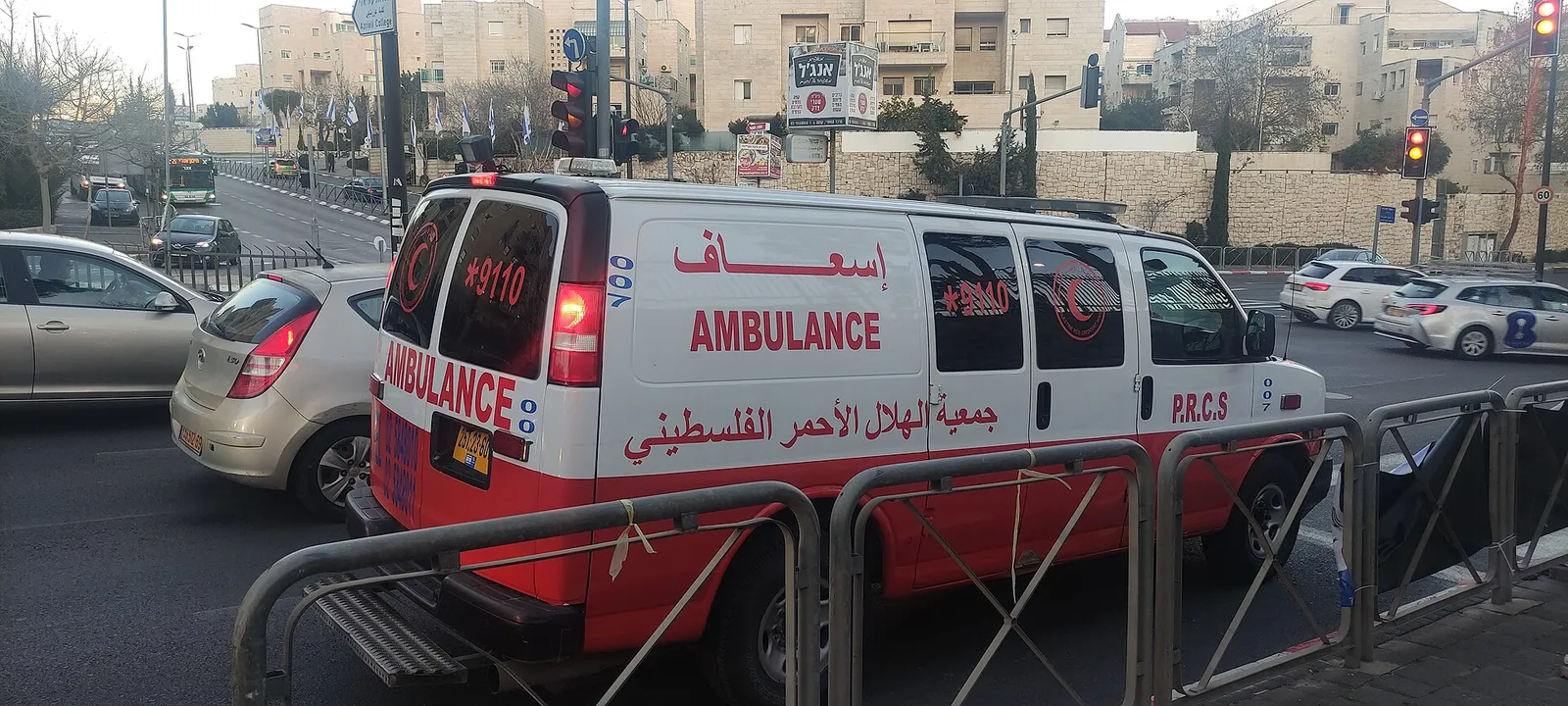
For many of Gaza's sickest patients — cancer sufferers, wounded children, people with chronic conditions — survival can depend on getting out of the territory for treatment. After nearly two years of war, that has become extraordinarily difficult, and aid agencies say the delays are proving deadly.
The scale of the need
The World Health Organization estimates that more than 18,000 patients in Gaza need medical evacuation for care that is no longer available inside the territory, according to figures it publishes, a group that includes thousands of children. Since the war began in October 2023, the WHO says it has helped evacuate roughly 11,000 patients, along with accompanying family members, to more than 30 countries.
But the pace has slowed to what the agency calls a trickle. Before the war, dozens of patients left Gaza for treatment each day. Now, the WHO has warned that at current rates it could take years to move everyone who needs care.
Why it is so slow
Evacuation is a multi-step process. A patient must be referred by a doctor and cleared by a medical committee in Gaza; the case is then passed on for security screening by Israeli authorities, who control Gaza's crossings, and entry must also be approved by the receiving country, usually Egypt. The main route out, the Rafah crossing into Egypt, has been repeatedly closed. It was shut for long stretches after Israeli forces took control of the Gazan side in May 2024, and has since reopened only intermittently and with tight daily limits.
According to United Nations humanitarian officials, only a fraction of requested missions are completed: in one recent two-week period, of scores of coordinated humanitarian movements, some were carried out, others were impeded, and a number were denied outright.
The competing accounts
Israel says it screens those seeking to leave for security reasons, citing concerns that militants could try to exit under the cover of medical evacuation, and says it coordinates approved cases with Egypt. Aid organizations and UN agencies counter that the restrictions and the repeated border closures are the central obstacle, leaving approved and unapproved patients alike stuck. The health ministry in Gaza, which is run by Hamas, has said that a number of patients die each day while waiting to travel, and that more than a thousand have died awaiting evacuation since the Rafah crossing came under Israeli control — figures that cannot be independently verified.
Coordination itself has been dangerous: in April, the WHO briefly suspended its evacuation work after one of its contractors was killed, an episode that underscored how fragile the process has become.
A collapsing health system
The delays are compounded by the state of Gaza's own hospitals. Repeated fighting has left much of the health system barely functioning, with many hospitals damaged or out of service and shortages of fuel, medicine and equipment. That both increases the number of patients who need to be sent abroad and makes it harder to keep them stable while they wait.
For the individuals caught in the system, the consequences are measured not in statistics but in lost time — treatments missed, conditions that worsen, and, aid workers say, deaths that might have been prevented. As the war grinds on, the question of how to move the sick and wounded to safety remains, for many families, a matter of life and death that is largely out of their hands.