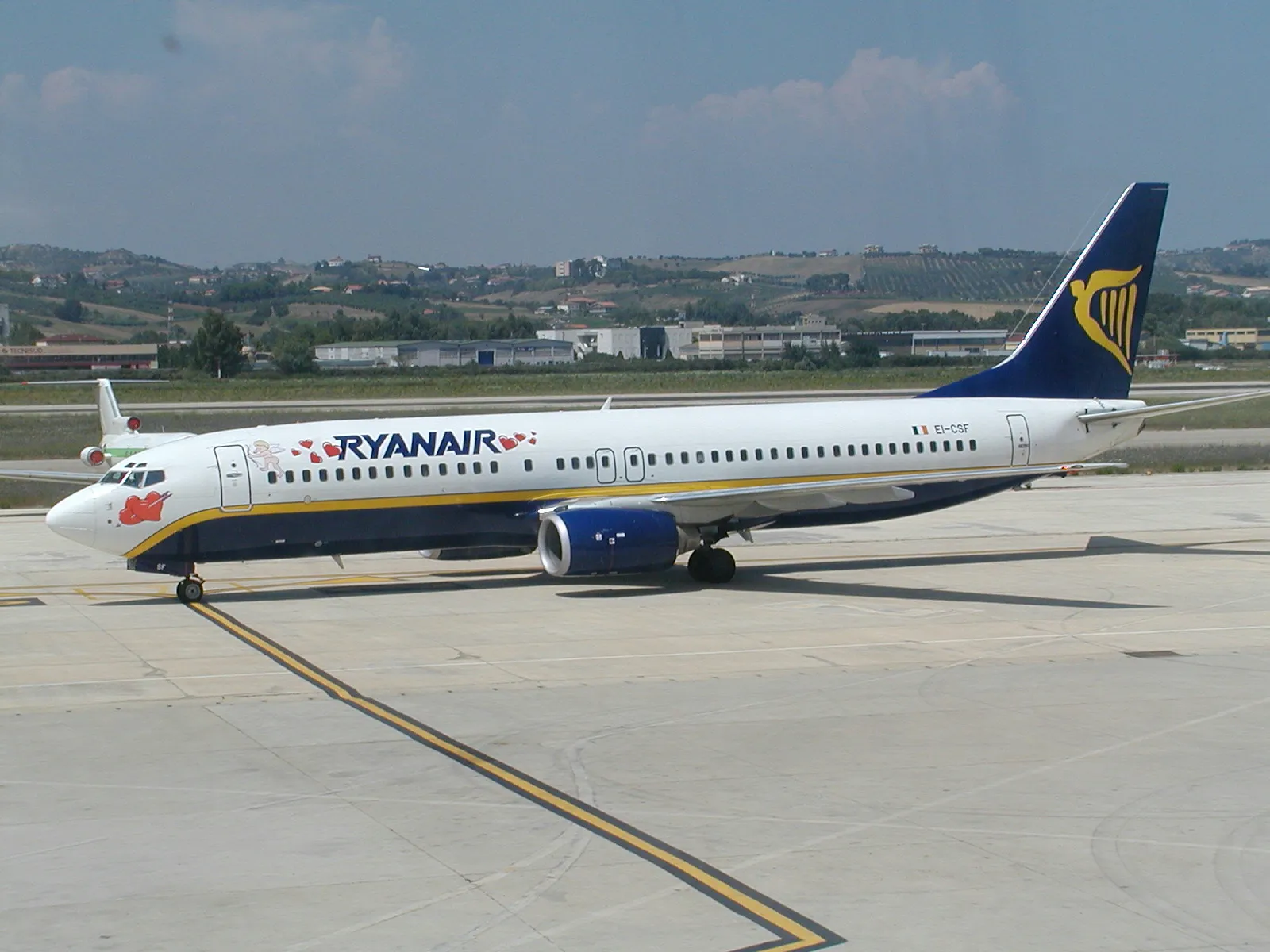
Ryanair, Europe's biggest budget carrier, says it will let parents sit next to their young children without paying an extra fee — a change that follows pressure from regulators and consumer groups, and one the airline made clear it did not welcome.
What is changing
Under the revised approach, families who do not pay to pre-select seats will be automatically assigned adjacent seats after check-in at no extra charge, RTÉ News reported. The change applies to children in a defined age range — broadly young children rather than teenagers — with several children able to sit beside one paying adult.
There is a caveat: families who skip paid seat selection are not guaranteed to be placed together throughout the cabin, since the automatic allocation depends on the seats still available at check-in. In practice that may mean a spot toward the back of the plane, or, if availability is tight, less-than-ideal placement.
The regulatory trigger
The immediate catalyst was an investigation opened by the UK's Competition and Markets Authority into whether Ryanair's mandatory family-seating charge breached consumer law, the CMA announced. The watchdog questioned whether the fee — a modest per-flight charge — amounted to an unfair term, given that keeping young children beside a responsible adult is something airlines are generally expected to ensure anyway. The probe followed a complaint by the consumer group Which?.
It was not Ryanair's first clash over the issue. Italy's aviation regulator had previously challenged the airline over charges for seating children or disabled passengers beside companions, and Italian courts upheld a ban on such fees, Euronews reported. At the European Union level, lawmakers have been moving toward rules that would prohibit charging families to sit together, with further votes expected.
Ryanair's framing
True to form, Ryanair did not present the change as a climbdown. Chief executive Michael O'Leary said the airline would "reluctantly adjust to this industry standard," while insisting its existing policy was already among the most transparent in Europe and accusing regulators of misunderstanding what benefits consumers, according to RTÉ. The company characterized the move as a minor tweak.
Consumer groups respond
Which?, whose complaint helped prompt the investigation, welcomed the shift but noted the limits of an opt-in-by-default system: families who do not pay for pre-selected seats still rely on whatever inventory remains at check-in, which critics say leaves a gap between paying passengers who get certainty and budget-conscious families who get a best-effort promise.
The CMA has not formally closed its inquiry, so Ryanair's booking practices could face further scrutiny even as the airline argues the change addresses the regulator's concerns. For families flying this summer, the practical upshot is simpler: sitting together should no longer come with a mandatory surcharge — provided they are willing to take the seats they are given.