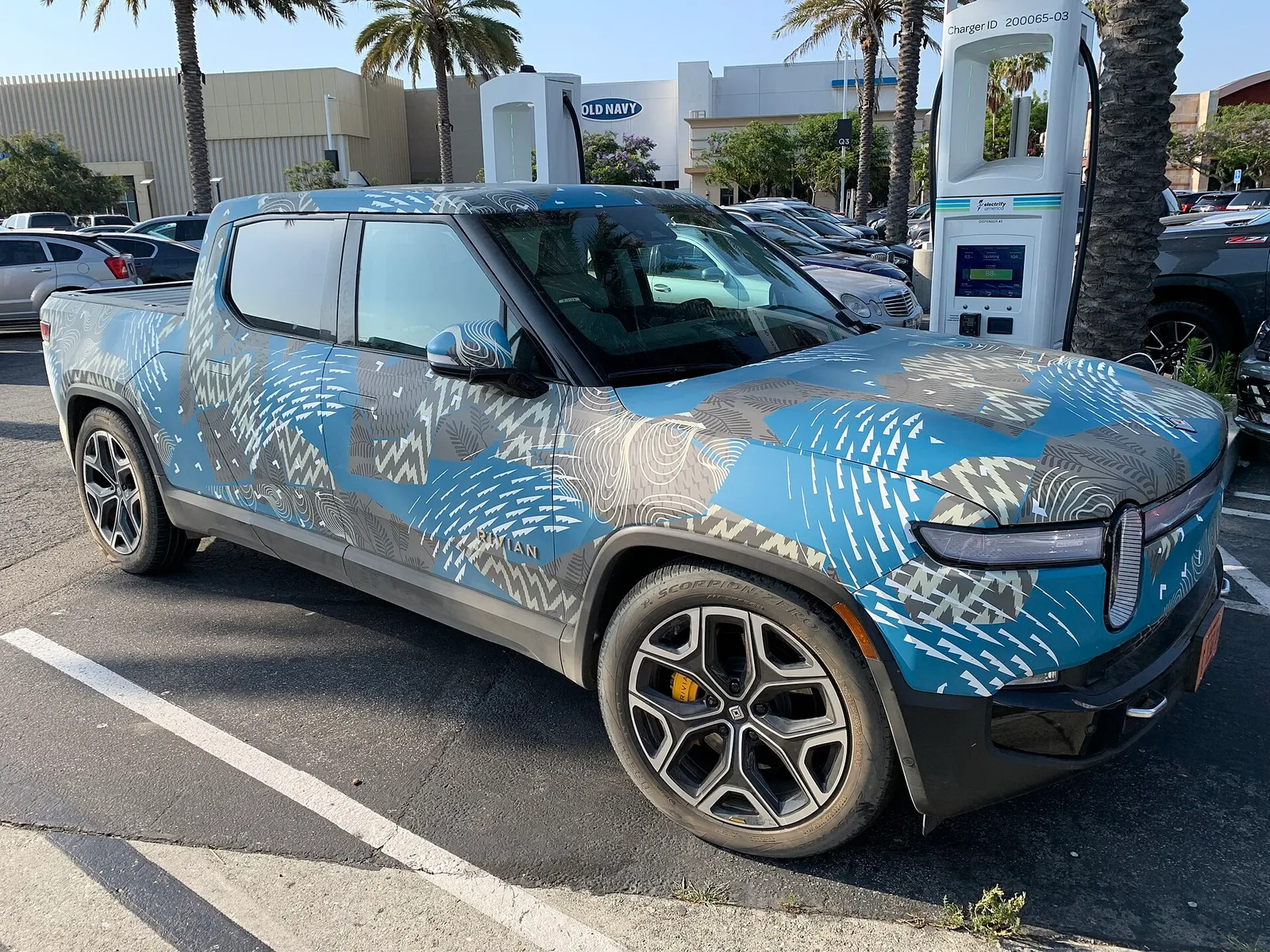
The US electric-vehicle market is in a rough patch — sales falling, federal tax credits gone, planned factories cancelled. Against that backdrop, Rivian's founder and chief executive, RJ Scaringe, is making the case that carmakers easing off electric vehicles now will regret it.
The argument
Scaringe's central warning is about competition, especially from China. The danger, he says, is not just that Chinese EVs are cheap but that they have become genuinely good. "What's alarming, if you're looking at the whole industry, is that the technology is much better," he told EV.com. He attributes China's edge to industrial scale, lower costs and an efficient supply chain rather than any single secret — meaning, in his view, tariffs alone won't close the gap. His prescription for legacy automakers is to invest in software and technology now, or cede ground they may not recover.
Rivian's own position
Scaringe is not arguing from unchallenged strength. Rivian remains loss-making, though it has been narrowing those losses and growing revenue and deliveries. Its closest tie is to Amazon, a backer and major customer whose electric delivery vans now account for a large share of Rivian's automotive revenue. The company is also banking on its more affordable R2 SUV, which has begun production, and a multibillion-dollar technology partnership with Volkswagen, to reach a wider market. (Some specific financial and product figures vary by source and reporting period.)
A cooling market
The near-term numbers are difficult. US EV sales fell sharply year-on-year early in 2026 and market share stabilized at under 6% after the expiry of the federal purchase tax credit, Cox Automotive reported — even as EVs make up roughly a quarter of global car sales. Hybrids have gained ground with buyers wary of price and charging. General Motors took a $1.6 billion charge tied to its EV plans, and Ford's chief executive has warned that losing tax credits could sharply cut zero-emission sales, NBC News reported — the very pullback Scaringe is criticizing.
One view, big stakes
Scaringe's case is a long-game bet: that the global shift to electric is inevitable, that China is building a durable lead, and that mistaking a temporary affordability problem for a permanent change in demand would be a historic error. Critics counter that demand really has cooled and that affordability and infrastructure — not executive resolve — will decide the pace. It is, in the end, one chief executive's view, delivered by a company yet to turn a profit, against one of the most uncertain backdrops the car industry has faced in years.