Many Americans have had the disorienting experience of being quoted a high price for a prescription, only to watch a coupon from an app slash it to a fraction of the bill — sometimes below what their insurance would charge. It is not magic. It is a window into how opaque US drug pricing really is.
Why the same pill has many prices
In the United States, the price you pay for a drug depends on which pricing system you go through. Your insurance copay is set through negotiations between your insurer and a pharmacy benefit manager (PBM), the middlemen who broker drug prices. But there is a separate "cash" market, and discount-card companies such as GoodRx and SingleCare tap into it: they negotiate their own rates with PBMs and pass a price to you, as the public-radio program Marketplace has explained. Because these are different deals, the cash-coupon price can sometimes be lower than your insurance copay — which is why studies have found that a meaningful share of insured prescriptions would actually be cheaper paid as cash.
How the coupons work
When you use a discount card or coupon, you are not using your insurance. The pharmacy rings up the prescription as a cash sale at the negotiated rate, separate from any insurance claim. The same app may even show several different prices at one pharmacy, each reflecting a different PBM contract. Manufacturer coupons work a little differently: a drugmaker issues a discount — increasingly as a digital or QR code — that lowers the patient's out-of-pocket cost, typically on brand-name medicines.
The catches
The savings come with real trade-offs, as the health-policy group KFF notes:
- They usually don't count toward your deductible or out-of-pocket maximum, which can matter if you face big medical costs later in the year.
- You generally can't combine a coupon with insurance on the same prescription — it is one or the other.
- They mostly help with generics; savings on brand-name drugs are more limited, and prices can change between refills.
- The companies make money too, through fees and by collecting data on prescriptions — a reminder that these are businesses, not charities.
How to shop smart
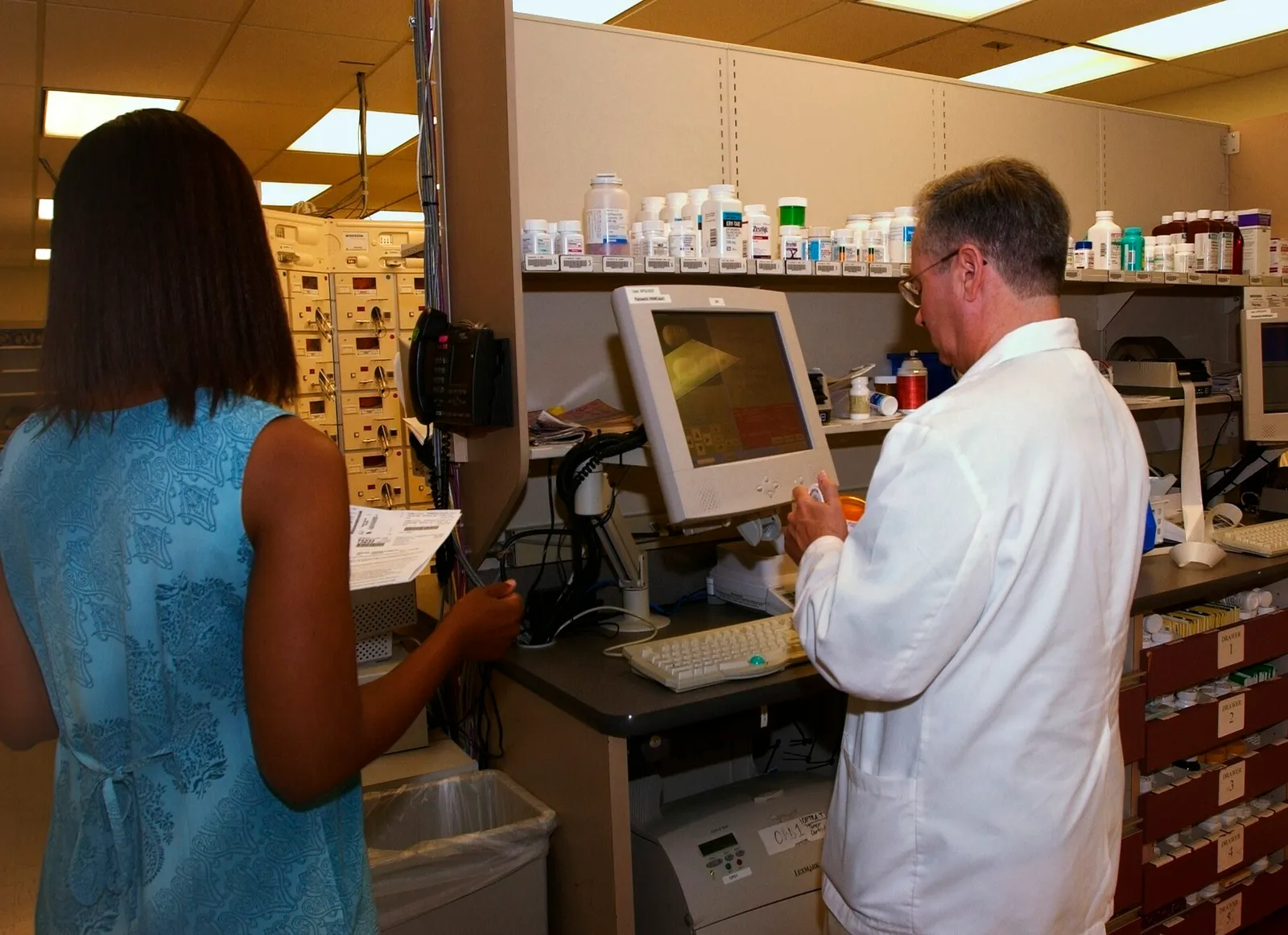
A few habits can save real money. Before filling a prescription, ask the pharmacist directly for the cash price and compare it with your copay. Check more than one app, since prices differ. For brand-name drugs, look for a manufacturer coupon on the medicine's official website. And don't assume that running everything through insurance is automatically the cheapest route.
The bigger picture
That a coupon can move a price from hundreds of dollars to a handful is, ultimately, a symptom rather than a solution. It reflects a system in which the same medicine can carry wildly different prices depending on which negotiator processes it, with little transparency for the patient standing at the counter. Discount tools help individuals navigate that maze — but they work around the opacity rather than removing it.