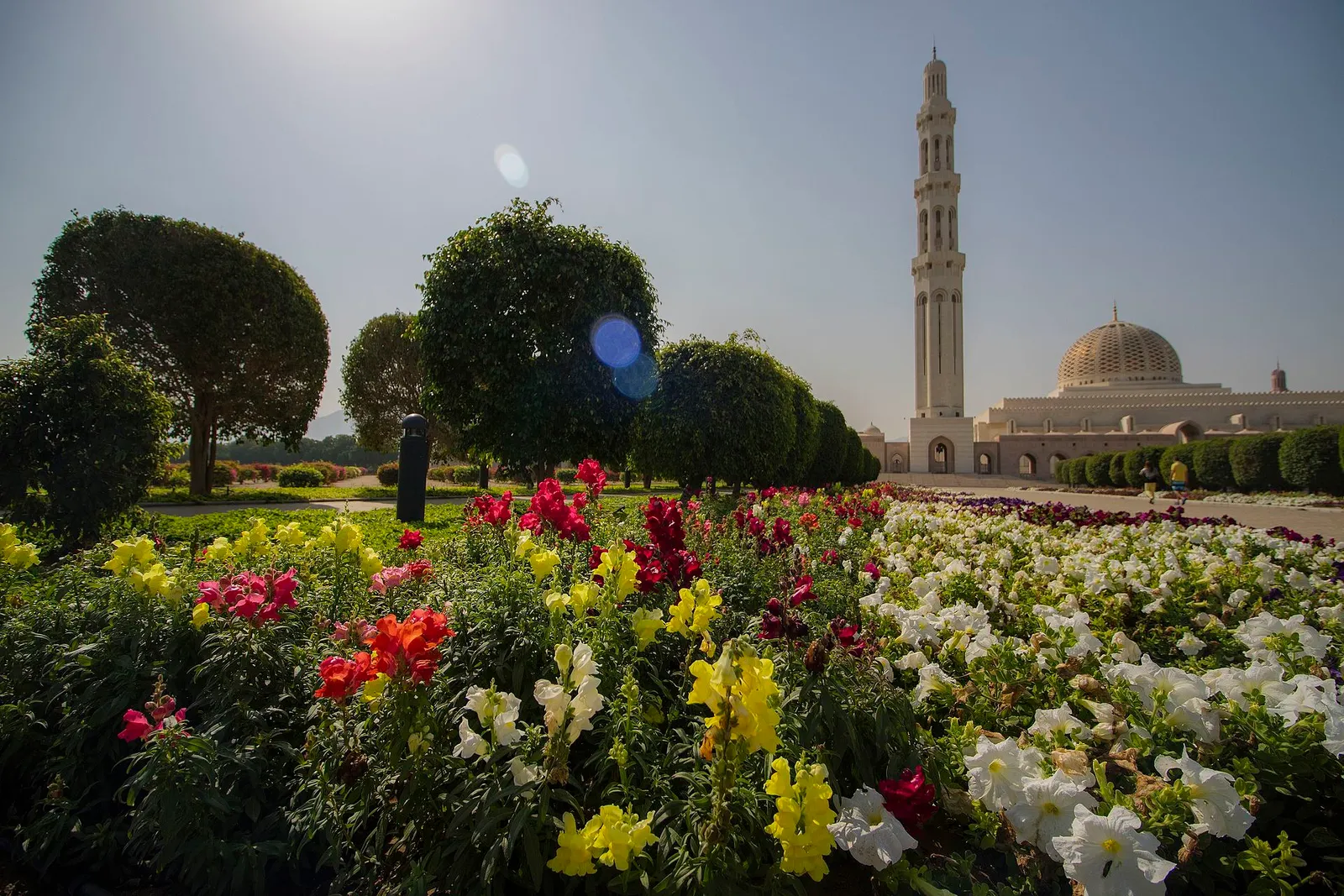
As tensions between the United States and Iran have flared and ebbed, one country keeps turning up at the center of the diplomacy without ever taking a side: Oman. The sultanate has again been a quiet facilitator of contacts between Washington and Tehran, as NPR has reported — the latest chapter in a long record of discreet mediation.
Neutrality as strategy
Oman's role rests on a foreign policy built deliberately over decades. The late Sultan Qaboos bin Said, who ruled for half a century, made non-alignment a principle of state — friendly with everyone, allied to no bloc — and his successor, Sultan Haitham bin Tariq, has continued it. Unlike some of its Gulf neighbors, Oman keeps working relationships with all sides at once: Iran and the United States, Saudi Arabia and the smaller Gulf states, and others besides. That studied evenhandedness is precisely what makes it useful when others cannot speak to one another.
Geography helps. Oman sits on the southern shore of the Strait of Hormuz, the world's most important oil chokepoint, directly across from Iran — close enough for quiet shuttle diplomacy, invested enough in regional calm to want it. So does religion: most Omanis follow the Ibadi school of Islam, distinct from both the Sunni and Shia traditions, which lets Omani officials engage across the region's sectarian divides without being seen as partisans.
A track record of go-between
Oman's most celebrated turn came in the secret talks that paved the way for the 2015 Iran nuclear deal. Beginning around 2011, Muscat hosted back-channel meetings between American and Iranian officials — out of public view and away from skeptical neighbors — that helped make the agreement possible. Over the years, the sultanate has also helped broker prisoner releases and has played a part in efforts to ease the war in Yemen. Its current foreign minister, Badr al-Busaidi, has been a familiar presence in the shuttle between Washington and Tehran, as Al Jazeera has reported.
Why it works — and where it stops
What Oman offers is not leverage but trust: discretion, a venue free of grandstanding, and the patience to host conversations that may not produce quick results. Those qualities are valuable precisely because they are rare among governments with strong allegiances of their own.
They also have limits. A nation of a few million people cannot compel great powers to make peace, and when the United States and Iran have come to blows, Omani appeals for restraint and "off-ramps" could not, by themselves, stop the fighting. Mediation works only when the parties actually want a way out. Still, in a region where direct lines of communication are often severed, Oman's value is durable: it remains, by design, the one place almost everyone is still willing to meet.