The sale of Turnastone Court, a centuries-old farm in the Golden Valley of Herefordshire, has been halted following a public campaign to keep the property intact, the BBC reported.
Pulled from the market
The Countryside Regeneration Trust, the charity that has owned the farm since 2003, had put its 247 acres up for sale to raise money to reinvest elsewhere, but withdrew the land in mid-June after the response took it by surprise. "We didn't realise how wide the interest is; it's heartening to see that a lot of people care about this farm," the trust's Rosie Hicks said, according to the same report. The charity said it would keep the land, though it remains in discussions about possibly selling some buildings, a lodge and a cottage.
The Narnia connection
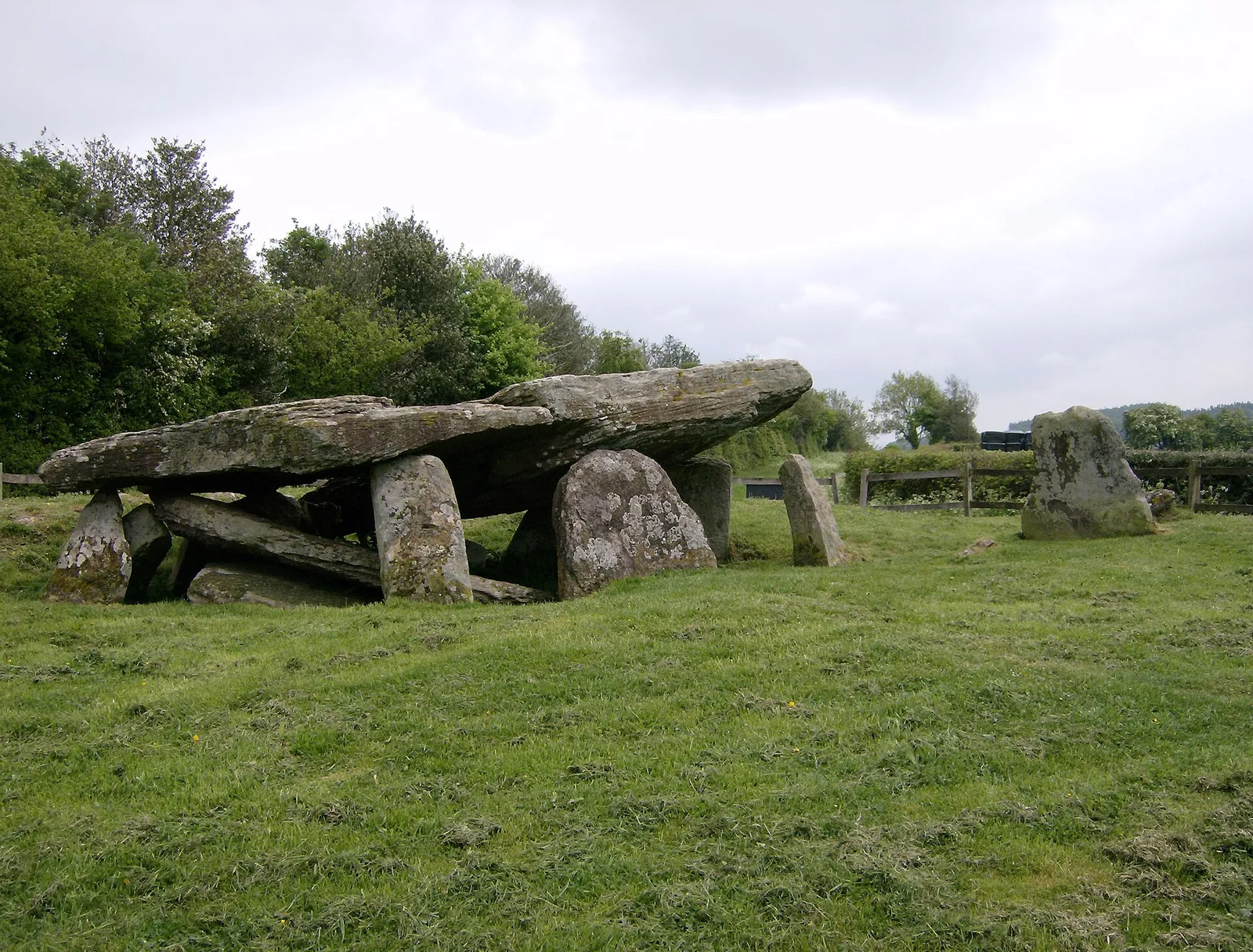
The farm's literary pull comes from its setting. It lies in a valley long associated with C.S. Lewis, the Belfast-born author of "The Chronicles of Narnia," and close to Arthur's Stone — a Neolithic chambered tomb, some 5,000 years old, that sits on a ridge above the Golden Valley. That megalith is widely cited as the inspiration for the Stone Table, the great slab on which the lion Aslan is sacrificed in "The Lion, the Witch and the Wardrobe"; archaeologists who excavated the monument in recent years have themselves pointed to the link, as Artnet noted. The precise debt Narnia owes to the farm itself is harder to pin down, resting partly on local tradition rather than Lewis's own detailed account — a distinction worth keeping in mind.
A working landscape
Beyond the storybook association, supporters argued that Turnastone Court matters as a rare, intact historic farmstead and should be kept together as a working farm. The site is described as a water-meadow farm whose old stone sluices are said to be among the earliest recorded water-management features in England, with cultivation traced back many centuries. Campaigners — among them local farmers and a conservation adviser — warned that selling the acreage off piecemeal risked breaking up that heritage.
Heritage in the spotlight
The case is a small instance of a larger question about how places tied to beloved writers are preserved. Lewis, who died in 1963, remains among the most widely read authors in English, and Narnia is enjoying renewed attention with a new screen adaptation in the works. Sites connected to him — from his Oxford home, The Kilns, to the various landscapes claimed as Narnia's seedbed — continue to draw the faithful. For now, the Golden Valley farm and the ancient stone above it remain together, their corner of the story intact.