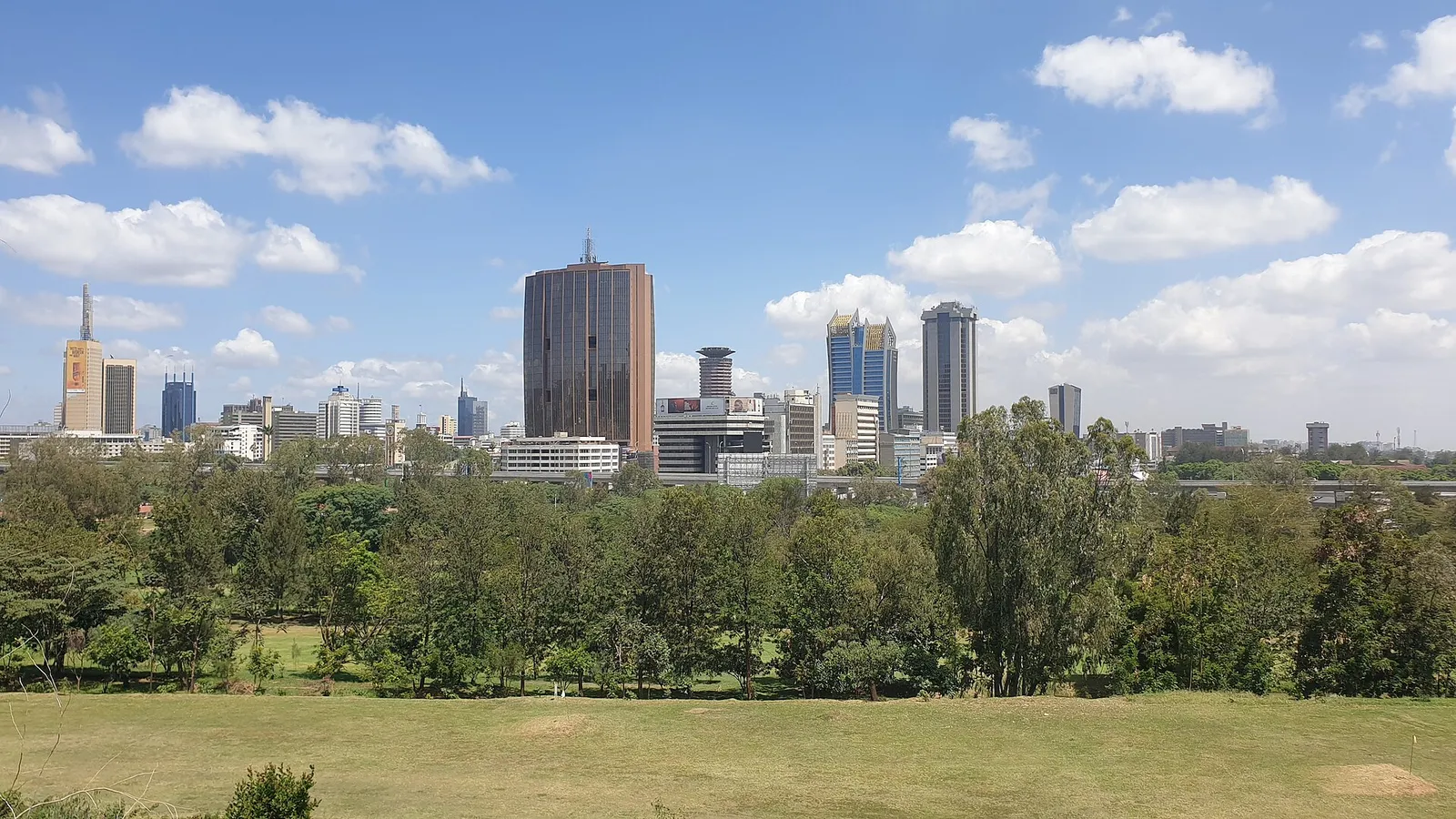
Kenyan authorities locked down central Nairobi on Thursday, blocking roads and deploying large numbers of police to prevent mass demonstrations marking two years since the deadly anti-government protests of June 2024.
A capital sealed off
Police erected roadblocks on major routes into the city before dawn, ringed Parliament with razor wire, and intercepted public transport at the city's edges, leaving commuters stranded and many businesses shut, the Daily Nation reported. With the central business district largely emptied of traffic, unusual scenes followed — at points residents played football and skated on roads normally clogged with cars.
What the day marks
June 25 has become a charged date in Kenya. On that day in 2024, young, largely social-media-organized demonstrators — the "Gen Z" movement — protested a finance bill proposing steep tax rises, and some stormed Parliament; security forces opened fire, killing at least 60 people, according to figures cited by Al Jazeera and PBS NewsHour. A police oversight body has put the cumulative toll across later waves of protest higher still, a figure activists cite to argue that officers have acted with impunity. This year's anniversary renewed demands for accountability, compensation for victims' families, and relief from the cost of living.
The government's case
Inspector General of Police Douglas Kanja defended the operation as "intelligence-led," saying authorities had information that criminal groups planned to infiltrate the protests, and described the country as secure. Interior Minister Kipchumba Murkomen said 355 people were arrested nationwide, calling them "criminals" and saying the measures were meant to protect businesses and prevent chaos, while regretting the inconvenience caused, Al Jazeera reported. President William Ruto had said protests would be allowed but warned against attempts to "shut down the country," and his government has set aside about 2 billion Kenyan shillings (roughly $15 million) to compensate victims of the 2024 crackdown.
Critics and families respond
Relatives of those killed say justice and compensation have been too slow. One mother, whose teenage son was shot near Parliament in 2024, said the officers responsible "are known" and demanded justice and payment; PBS reported that only a fraction of bereaved families had received any compensation by the anniversary. Rights advocates also questioned the legality of the roadblocks: the Daily Nation reported that the closures appeared to run against court orders restraining police from barricading the CBD without notice. Only a small number of officers have been charged over the 2024 deaths, which critics call inadequate.
A muted but symbolic day
Police fired tear gas to disperse gatherings and positioned water-cannon trucks around the business district, the outlets reported; independent confirmation of any injuries was not immediately available. A group of opposition figures, including Kalonzo Musyoka and Martha Karua, was escorted to lay wreaths at Parliament. Reporting suggested a call for a nationwide shutdown lost momentum outside the capital, with several regions recording no arrests — a sign that, while the anniversary resonated, the security clampdown sharply limited street action.