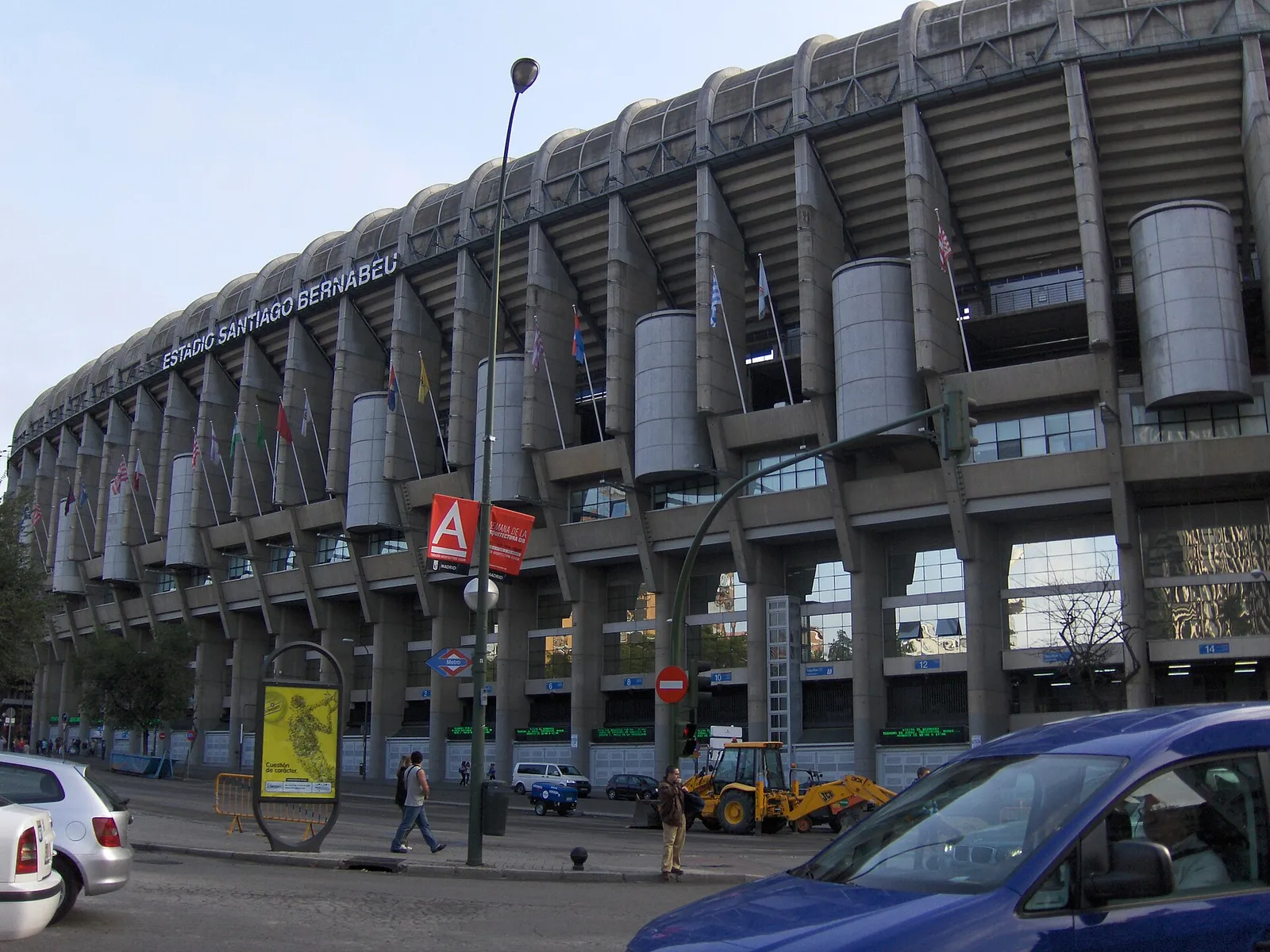
Jose Mourinho used his first post-match news conference back at Real Madrid to talk about Vinicius Junior rather than about the win.
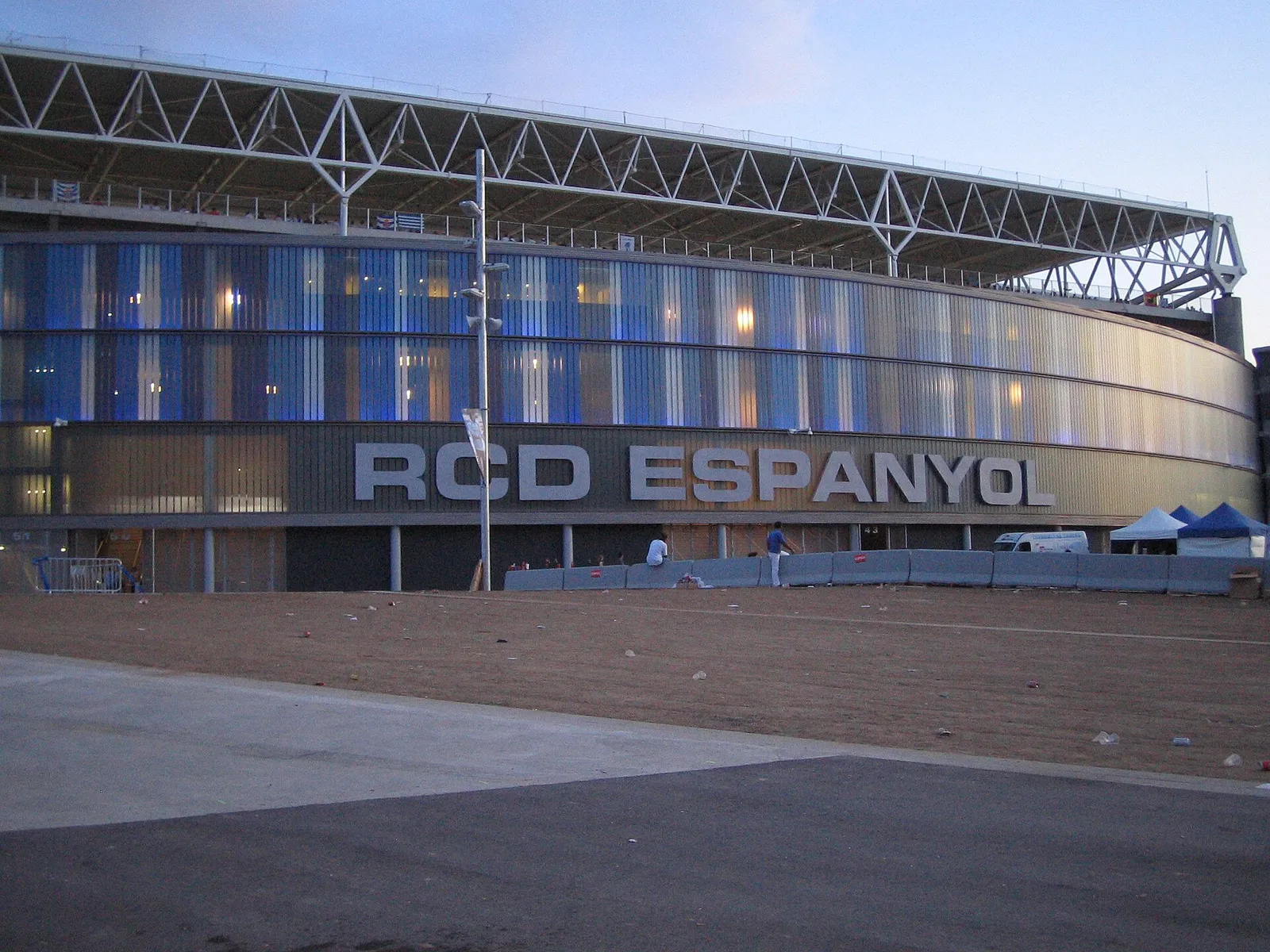
"Vini isn't a saint, but what people do to him is too much," he said. "It started in the first minute." ESPN reported the remarks after Madrid's 2-1 victory at Espanyol on Saturday.
He went on: "It's a frustration for him. He has to have great emotional control. I said to [Vini] that even if you score a goal, be careful how you celebrate, to stay on the pitch. It's tough. We're in a social era of anti-bullying, but with Vini, we're still in the bullying era, whether it's from opponents or from the public."
What happened in the match
Vinicius appeared to be fouled by Alex Calatrava early on without the foul being punished. Later in the game he was booked for a dispute with the same player. The report does not say whether Calatrava was cautioned at any point.
That sequence is the specific thing Mourinho is pointing at, and it is a familiar complaint in football: that a player who is fouled without redress and then reacts ends up as the one in the referee's book.
What Mourinho did not say
He did not mention racism, and neither does the article. We are stating that plainly because it would be easy for a reader to assume otherwise, and easy for us to import it.
Racist abuse of this particular player has been a matter of criminal proceedings in Spain, and any reader who follows Spanish football will have that context in mind. But the manager's words as reported describe opponents' conduct on the field and hostility from crowds, framed as bullying, and nothing in the account we read extends that to racial abuse. Conflating the two would misrepresent what he said, and it would also blur a distinction that matters: unpunished fouling and racist chanting are different problems with different remedies.
The instruction to the player
The most revealing line is the one addressed to Vinicius himself. Mourinho says he told the player to be careful how he celebrates a goal, so as to stay on the pitch.
That is a manager telling a footballer who is being fouled to modify his own behaviour, because the alternative is losing him to a second yellow card. Whatever one makes of the wider argument, it is an admission that the practical burden of the situation falls on the player rather than on anyone who might change it.
No response yet
Nothing has been said publicly by LaLiga, by Espanyol, by the refereeing authorities or by Vinicius himself, at least not in the account we read.
We verified this from a single publication.