Thousands of Malawians are fleeing South Africa, abandoning jobs and homes amid a wave of anti-immigrant threats and violence, Al Jazeera reported. For many, the decision is wrenching: as one migrant put it, in the words that gave the report its title, if death is to come, "let it be here" — at home, rather than in fear abroad.
A deadline and a campaign of fear
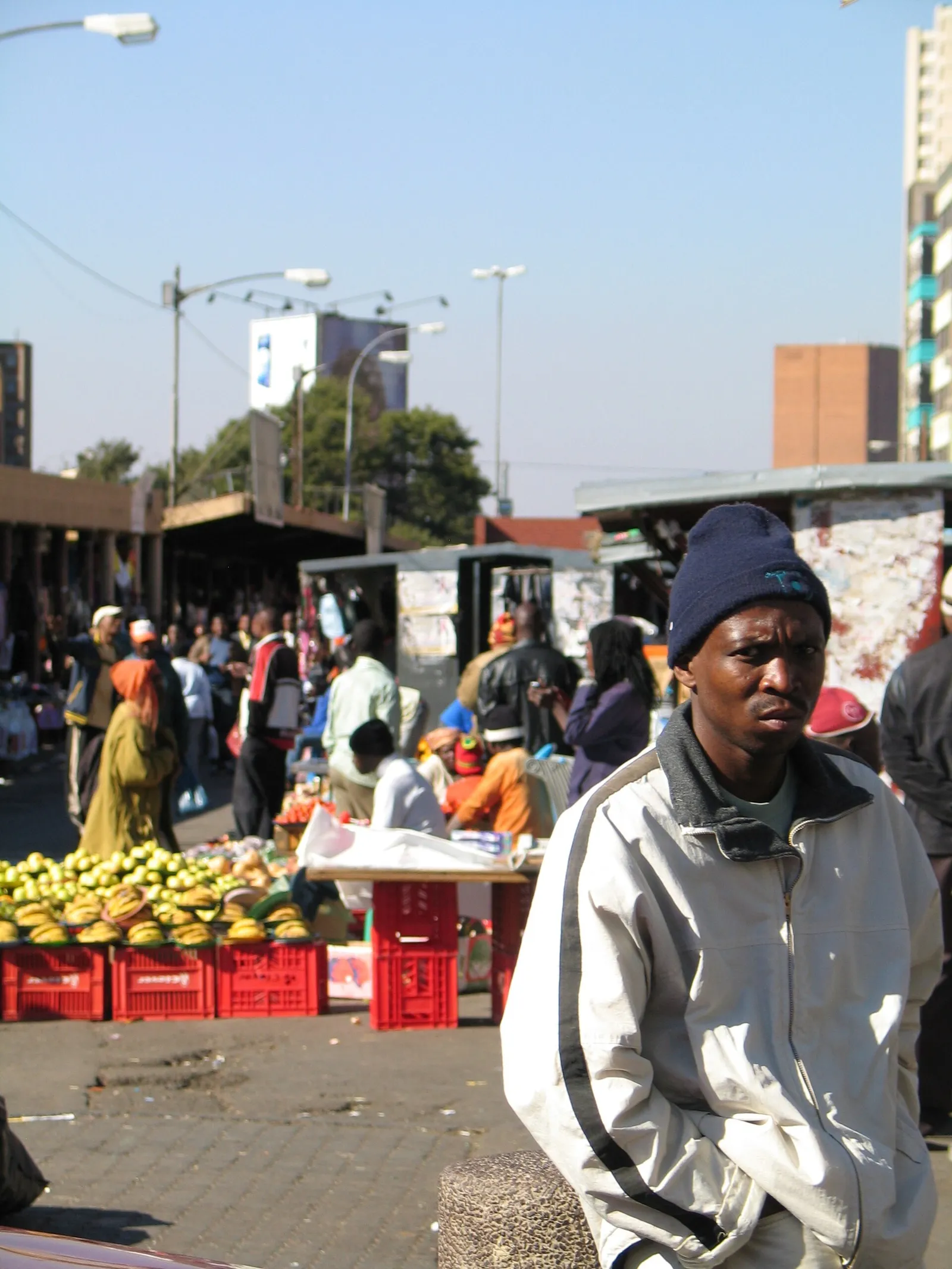
The exodus has been driven by anti-immigration groups that have marched through South African towns and set a deadline — the end of June — for undocumented foreigners to leave, threatening wider disruption if their demands are not met. The campaign has at times turned deadly: rights groups and reporting have described attacks on foreign nationals in recent weeks, including killings, and migrants have spoken of homes being burned and night-time raids that left them too frightened to stay. Many of the targets are Malawians, Mozambicans, Zimbabweans and other Africans who form a large part of South Africa's informal workforce.
Thousands on the move
Malawi's government has been organizing returns, and large numbers have already crossed home or been processed for departure, according to figures cited by Al Jazeera, while thousands more have crowded into makeshift shelters waiting to leave, among them many children. Other governments in the region have also moved to bring their citizens home as the unrest has spread.
A recurring wound
South Africa has experienced repeated outbreaks of xenophobic violence over the past two decades, often flaring amid economic hardship. With high unemployment and strained public services, foreign migrants — many working as street traders, laborers and domestic workers — have repeatedly been scapegoated for problems that long predate them. Analysts note that anti-foreigner movements have grown more organized and visible in recent years.
The official response
President Cyril Ramaphosa has acknowledged the tensions while pushing back on the premise behind the violence, saying that immigration is not the cause of the country's social and economic difficulties even as the government concedes shortcomings in border control. Police have said they are investigating recent killings. For the migrants packing their belongings, however, official reassurances have counted for little against the immediate fear — and many have concluded that the safest course is simply to go.