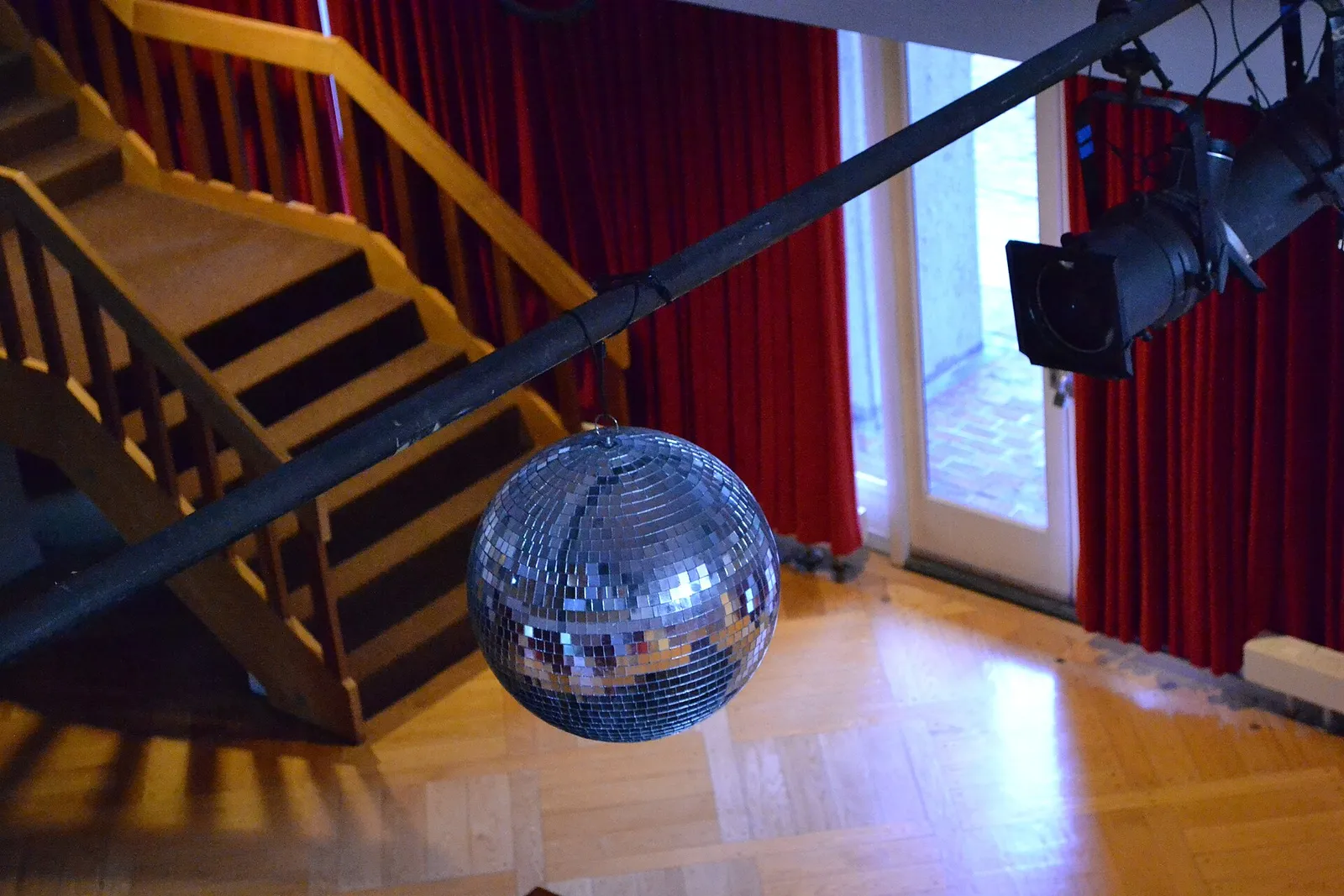
More than two decades after she conquered the charts with a shimmering disco revival, Madonna has gone back to the dance floor. The pop star has released "Confessions II," a sequel to her 2005 album "Confessions on a Dance Floor," as the BBC reported — a record that arrives with a heavy weight of nostalgia and expectation attached.
A sequel two decades in the making
The original "Confessions on a Dance Floor" was one of Madonna's most celebrated later works: a euphoric, club-focused album that topped charts around the world and produced "Hung Up," a global smash built around a sample of ABBA. It reasserted her as a pop force in her late 40s and remains, for many fans and critics, a career high point.
"Confessions II" is a deliberate return to that sound. For it, Madonna has reunited with Stuart Price, the British producer who helped shape the 2005 album, according to Billboard. The sequel is reported to feature a range of guest artists spanning contemporary pop and dance, among them the current star Sabrina Carpenter — a pairing of one of pop's founding icons with one of its newest.
More than an album
The release has been built out into something larger than a set of songs. It has been accompanied by a promotional rollout including lead singles and a short film, in keeping with Madonna's long habit of framing her music within elaborate visuals and provocative imagery. Early reviews, aggregated by music sites, have leaned positive, suggesting the return to the dance floor has been welcomed — though, as ever with Madonna, opinion is unlikely to be unanimous.
Why it resonates
For a career that has spanned more than four decades, "Confessions II" is a notable move: rather than chase a new sound, Madonna is revisiting one of her most beloved eras. The gamble is obvious — sequels invite direct comparison, and few albums cast as long a shadow as the original "Confessions." But the appeal is just as clear. The 2005 record is fondly remembered by a generation of listeners, and its blend of euphoria and heartbreak on the dance floor has aged well in a pop landscape that has circled back to disco and house influences.
Whether the follow-up can recapture that moment is the question hanging over its release. What is not in doubt is Madonna's instinct for a cultural conversation: by returning to "Confessions," she has once again placed herself at the center of one — inviting fans old and new to judge whether the dance floor still belongs to her.