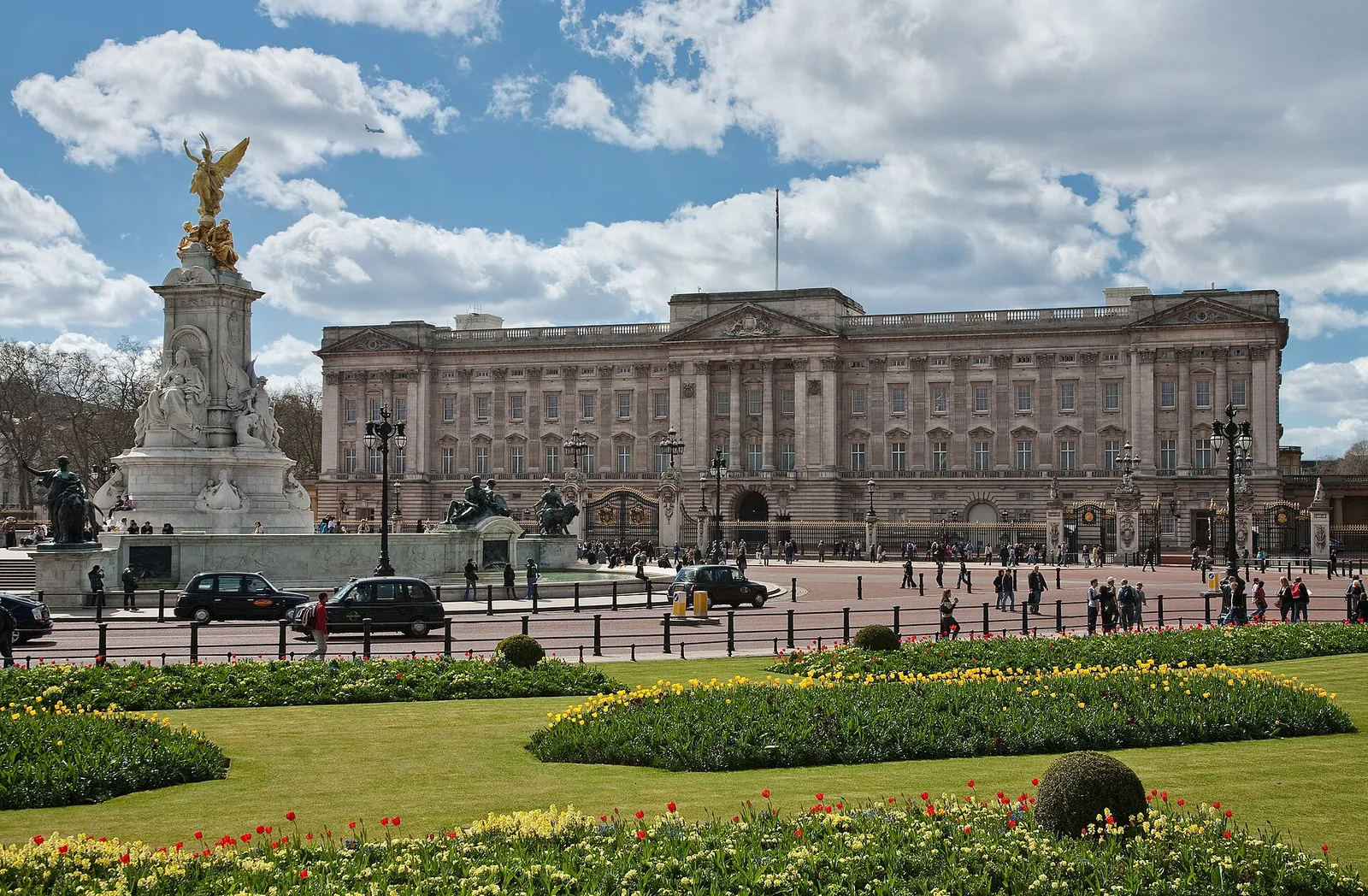
Buckingham Palace has disclosed how much tax King Charles III has paid since becoming monarch — a first for a reigning British sovereign, and a move officials cast as a step toward greater transparency.
What was disclosed
The palace said Charles has paid more than £30 million (roughly $40 million) in income and capital gains tax since he acceded in September 2022, including £12.9 million in 2024–25 and £11.7 million the year before, SBS News reported. (Dollar conversions varied across outlets depending on the exchange rate used.) The figures were released via the annual Sovereign Grant report.
Why it's a first
British monarchs are not legally required to pay income tax. Queen Elizabeth II began voluntarily paying it on her private income in 1993, but never published the amounts. By disclosing the figures, Charles has gone further than any modern predecessor, Euronews reported. The tax is paid largely on income from the Duchy of Lancaster, a large private estate, along with other personal holdings. The Prince of Wales, William, separately said he had paid more than £20 million in tax since inheriting the Duchy of Cornwall.
The public-funding backdrop
The disclosure came alongside the Sovereign Grant — the taxpayer funding the monarchy receives, linked to Crown Estate profits — which is set at £137.9 million for 2026–27 before falling to about £99.9 million a year from 2027, after a long Buckingham Palace refurbishment, France 24 reported. That public subsidy is part of the context in which the tax figures are being weighed.
Critics unconvinced
The anti-monarchy group Republic dismissed the move. Its chief executive, Graham Smith, said "the royals can't be allowed to self-declare their tax," calling the disclosure misleading because a tax figure without full income details, he argued, lets the palace look generous while avoiding deeper scrutiny of royal wealth. The palace has framed the step as evidence of openness at a time of pressure on the institution.
What it means
For supporters, publishing a number where there was none is a genuine advance in accountability; for critics, it raises as many questions as it answers about the monarchy's overall finances. Either way, Britons now have a specific figure for the first time — and a sharper debate about how much more the palace should reveal.