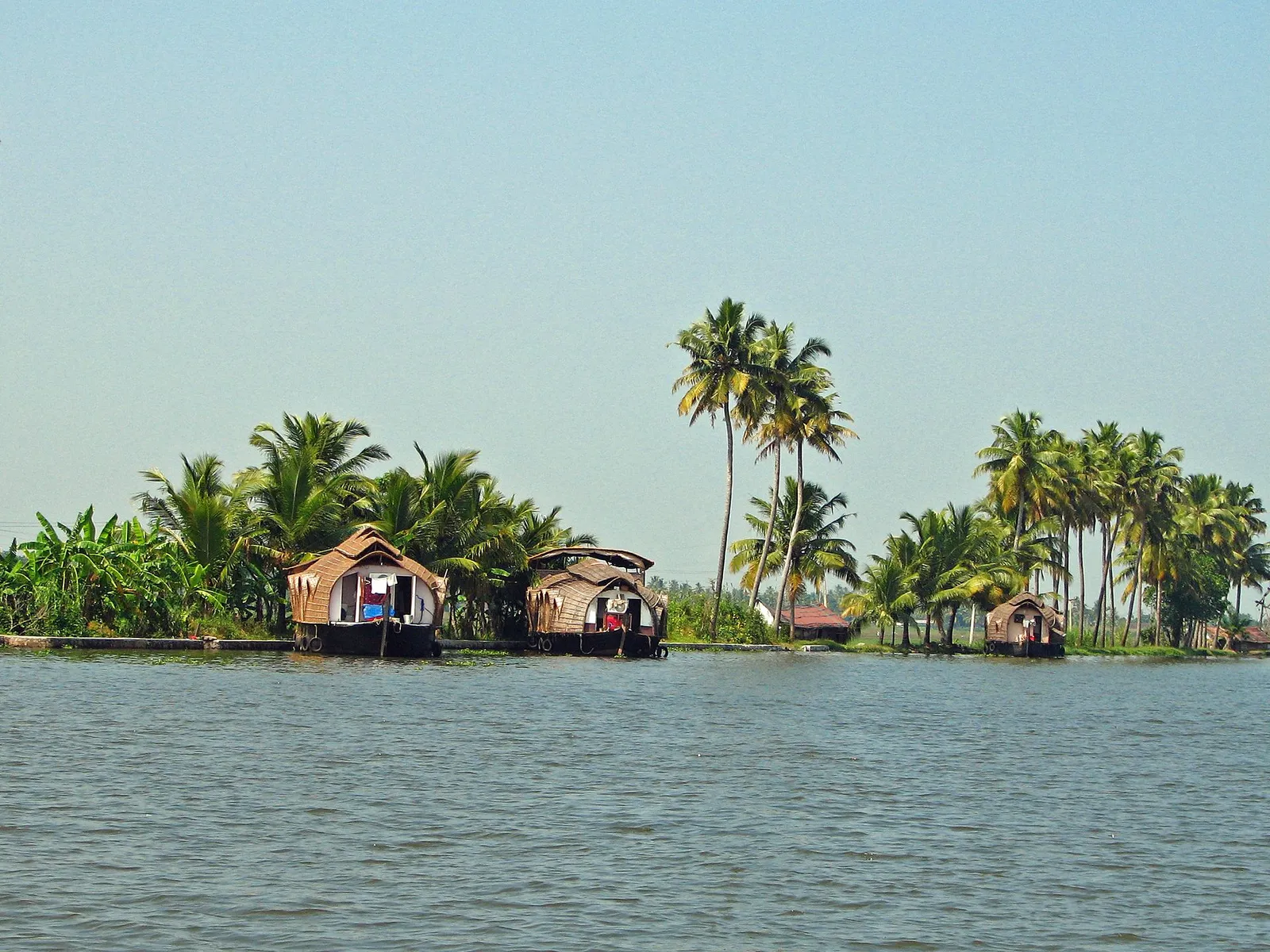
In many of Kerala's towns and villages, a quiet pattern has set in: the young have largely gone — to jobs in India's cities, the Gulf, or further afield — and an older generation is left to age, increasingly, on its own. The southern Indian state's answer is one of the most ambitious elderly-care efforts the country has seen.
A state aging ahead of India
Kerala, home to roughly 35 million people, has the highest share of elderly citizens of any Indian state — around 16 percent are over 60, well above the national average, Down to Earth reported. Long life expectancy, low birth rates and decades of out-migration have combined to make Kerala a preview of a demographic shift the rest of India has barely begun to confront.
That migration is central to the story. Generations of Keralites have left to work abroad, sending home remittances that funded education and raised living standards — but also leaving many parents to grow old without children nearby.
Volunteers, clinics and helplines
The centerpiece of Kerala's response is a long-running state program, Vayomithram — roughly, "friend of the aged" — run by the Kerala Social Security Mission. It sends mobile medical teams to deliver free medicines to elderly people at home, runs palliative care for the bedridden, and staffs help desks that field requests for assistance. The mission says the program reached hundreds of thousands of older beneficiaries in its most recent year, operating units across the state's cities and towns, according to the Social Security Mission.
Underpinning much of this is a community tradition: Kerala pioneered a neighbourhood-based palliative care network decades ago, training ordinary residents — teachers, students, shopkeepers — as volunteers who make regular home visits to the isolated and the seriously ill. The model is often cited internationally as one of the largest community-owned care networks of its kind.
New laws and a first-of-its-kind budget
Kerala has also moved on policy. It established a dedicated commission for the rights of older people, and in early 2026 the state government presented what it billed as India's first standalone "elderly budget," setting aside a large share of state spending for senior citizens and proposing to tie local funding to the size of each area's elderly population, Onmanorama reported. The state has framed the goal simply: a society in which no senior citizen is left isolated or neglected.
A model that may be hard to copy
Public-health experts caution that Kerala's approach rests on conditions not easily replicated elsewhere in India — high literacy, strong local government through village councils, and a long history of community health organizing. India as a whole has tens of millions of older people living alone and no national equivalent of Kerala's system.
Still, the state's experiment is drawing national attention as India's population ages. For the older men and women at the center of it — many waiting for a visit, a phone call, or a familiar face — the measure of success is less about budgets and laws than about whether, in the end, someone actually comes.