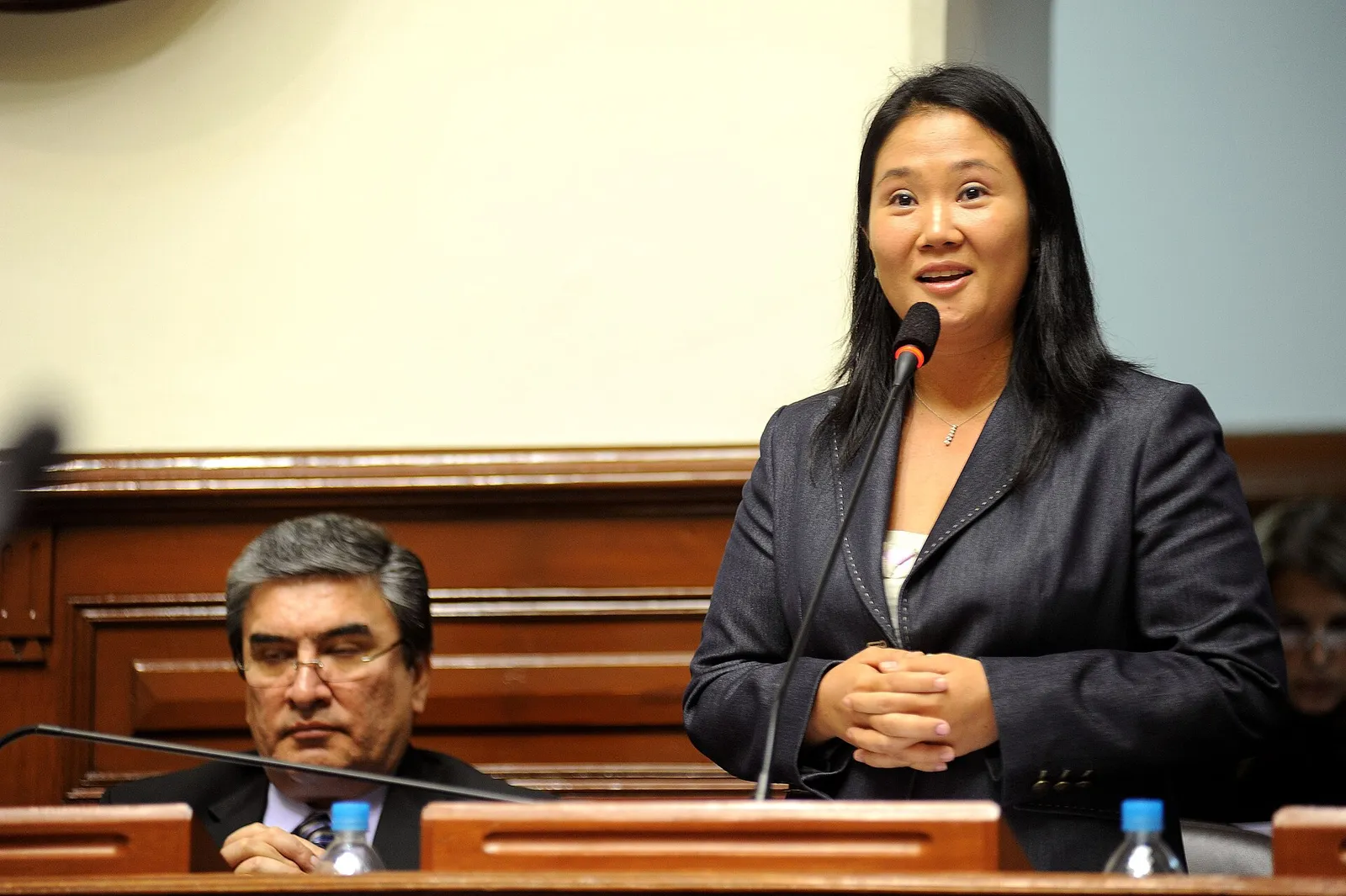
Keiko Fujimori, the conservative leader of Peru's Popular Force party, has been declared the winner of the country's presidential election, edging her leftist rival by a sliver of the vote in a result that has deepened the nation's divisions.
A wafer-thin margin
In the June 7 runoff, Fujimori defeated Roberto Sánchez by roughly 49,600 votes — about three-tenths of a percentage point, or close to 50.1% to 49.9%, official figures show. The margin, confirmed only after a drawn-out count, ranks among the closest national elections the region has seen. Sánchez alleged irregularities and said he would not recognize the outcome, though electoral authorities certified the result. Fujimori, who is due to take office on July 28, will become Peru's first woman to be elected president.
A familiar name
The victory caps an extraordinary political comeback. Fujimori had lost three previous presidential bids, including a cliffhanger defeat to Pedro Castillo in 2021 decided by a similarly tiny margin. She is the daughter of former president Alberto Fujimori, who governed from 1990 to 2000 and remains one of the most divisive figures in the country's history — credited by supporters with defeating the Shining Path insurgency and taming hyperinflation, but later convicted of human rights abuses and corruption. He died in 2024.
A legal shadow
Fujimori herself has faced years of legal jeopardy. Prosecutors pursued her on money-laundering charges tied to financing from the Brazilian construction firm Odebrecht for her earlier campaigns, as Bloomberg reported. The case was dismissed by Peru's Constitutional Court in 2025 on procedural grounds, and Fujimori has consistently denied wrongdoing.
A country in crisis
She inherits a state in chronic turmoil. Peru has churned through nine presidents in roughly a decade, none completing a full term, amid corruption scandals and clashes between presidents and congress. Crime and extortion have surged, becoming the dominant issue of the campaign. Fujimori ran on a promise of order, vowing a tougher hand against gangs alongside market-friendly economic policies.
Hope and apprehension
Reaction split along the same lines that have long divided the country. Supporters cast her win as a chance for stability and a firmer response to violence. Critics voice unease about the return of the Fujimori name to the presidential palace, citing her father's authoritarian record and a 2025 amnesty law backed by her party that shielded members of the security forces from prosecution over past abuses. Whether Fujimori can govern a near-evenly-split nation — and break Peru's cycle of short-lived presidencies — will be the test of her long-sought presidency.