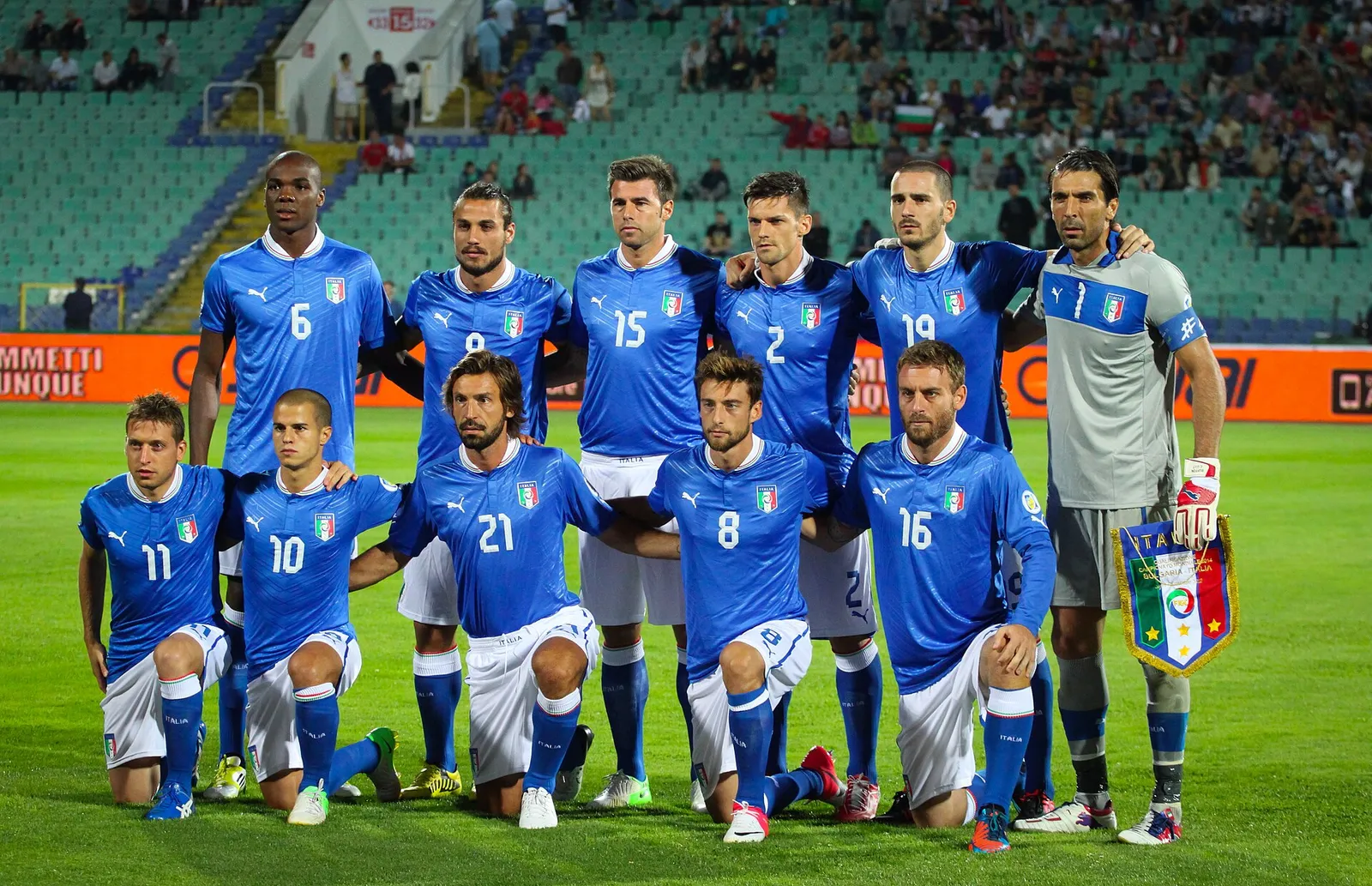
For a country that has lifted the World Cup four times, watching the tournament from home once is a humiliation. Watching it three times in a row is something closer to a crisis.
How it happened
Italy's bid for the 2026 finals ended in the European playoffs, where they drew 1-1 with Bosnia and Herzegovina before losing 4-1 in a penalty shootout, Al Jazeera reported. It completed a sequence that would once have seemed impossible: having missed the 2018 and 2022 World Cups — beaten in the playoffs by Sweden and then North Macedonia — the Azzurri have now failed to qualify for three straight tournaments. The sting is sharpened by timing: the 2026 edition expanded to 48 teams, making a place easier to win than ever, and still Italy could not claim one.
A reckoning at the top
This is a nation that won the World Cup in 1934, 1938, 1982 and 2006, and were crowned European champions as recently as 2021. The latest failure brought swift consequences: the coach, Gennaro Gattuso, resigned, as did Gabriele Gravina, the long-serving president of the Italian football federation who had presided over all three qualifying misses. The clearout reflected a sense that the problem runs deeper than any single match or manager.
The deeper causes
Analysts point above all to a drying-up of homegrown talent. Italy's Serie A, one of Europe's richest leagues, is now dominated by foreign players — by some counts around two-thirds of those on the pitch — leaving fewer opportunities for young Italians to develop in the way previous generations did, as Football Italia has reported. Clubs under financial pressure tend to sign proven imports rather than gamble on academy graduates, and the country's youth-development system is widely seen to have fallen behind those of Spain, France, Germany and England. The result, critics say, is a national team short of the elite players, and the clear footballing identity, that long made Italy formidable.
A mirror, or a coincidence?
Some commentators have gone further, reading the team's decline as a metaphor for wider Italian anxieties — economic stagnation, an aging and shrinking population, a feeling of slipping status. That is interpretation rather than fact, and football's fortunes can turn quickly; but in a country where the national team has been a source of pride and identity, the symbolism is hard to ignore, especially as a young generation grows up with no memory of seeing Italy at a World Cup.
What comes next
The mood is not all despair. Reform proposals are circulating — among them pushing Serie A clubs to give young Italians more game time and tying money more closely to youth development — and Italy's footballing infrastructure and passion remain intact. The country has rebuilt before. Whether this latest low becomes the spur for genuine change, or merely the next entry in a story of decline, may shape Italian football for years to come.